
Have you ever noticed a difference in the way water feels on your skin or its effect on your household appliances? You’re likely observing the contrast between hard water and soft water. To begin shedding light on this subtle yet significant difference, let’s delve into what exactly soft water is. Essentially, it’s water with a low concentration of minerals, specifically calcium and magnesium. When we compare hard water vs soft water, the latter is often preferred for its ability to create more lather with soap and its gentleness on both appliances and skin.
Understanding the benefits of soft water can lead to significant improvements in your daily routine, from bathing to the longevity of water-using appliances. As you explore the world of water softening systems, you’ll begin to appreciate why many households opt for this water quality enhancement, particularly in areas where hard water predominates. Whether you’re looking to prevent scale buildup or seeking a better personal care experience, understanding the implications of soft water use is the first step.
Key Takeaways
- Discern the principal differences between hard water and soft water, and how they can impact your daily life.
- Learn about the soft water benefits that extend beyond simple preferences, including practical applications and utility.
- Educate yourself on water softening systems and how they convert hard water into a softer form for your use.
- Explore how the mineral content of water can have tangible effects on everything from skin and hair to the efficiency of your plumbing.
- Uncover why soft water can be a true game-changer in maintaining the integrity and longevity of water-centric appliances in your home.
The Basics of Water Hardness: Soft vs Hard Water
When you’re trying to understand what makes water “hard” or “soft,” it boils down to the mineral content within your H2O. Let’s dive into what sets these two types apart and why it matters for your daily use.
How Water is Classified
The soft water definition hinges on its lack of certain minerals—specifically calcium and magnesium. To get a bit more scientific, the water’s composition is measured on a water hardness scale that quantifies these minerals’ concentration. Here’s a straightforward classification:
| Classification | Description | PPM (Parts per Million) |
|---|---|---|
| Soft Water | Having very few hardness minerals | Less than 17 PPM |
| Slightly Hard | More minerals than soft water, but not too many | 17 – 60 PPM |
| Moderately Hard | Noticeable level of minerals without extreme effects | 61 – 120 PPM |
| Hard Water | High level of hardness minerals | 121 – 180 PPM |
| Very Hard Water | Excessive levels of hardness minerals | More than 180 PPM |
Remember that the exact classification of water softness is key to understanding how water will react with soaps, detergents, and even your skin and hair.
Geographical Variations in Water Hardness
You may be wondering why some regions have hard water, while others enjoy the perks of softer water right from their taps. This variation is linked to the geological makeup of the land and how long the water has stayed underground.
As your water makes its subterranean journey, it picks up minerals from rocks and soil. The longer it lingers underground, the more minerals it gathers. This means that an area with a lot of limestone, for instance, often leads to harder water due to an abundance of calcium and magnesium leaching into the water supply.
By recognizing these fundamental differences, you can better appreciate how the water in your home operates. Whether it’s taking a shower or washing dishes, the hardness or softness of your water can influence your daily routines more than you might realize.
What Is Soft Water and Its Characteristics
When you delve into the world of soft water properties, you’ll find that one of its most defining aspects is its low mineral content water, particularly calcium and magnesium. What’s fascinating about soft water is how its characteristics affect daily usage – it leaves behind virtually no mineral residue, resulting in a sensation on your skin that might feel extra slippery. While some might think they’re still covered in soap, what they’re actually feeling is the unique effect of water with lower hardness levels.
Soft water is the result of a remarkable process known as ion exchange. This method meticulously replaces unwanted hardness ions, such as calcium and magnesium, with either sodium or potassium ions. This transformative process yields water that’s not only softer but exceedingly beneficial for numerous applications within your household.
The line between soft and hard water is brightly drawn, with soft water boasting less than 1 grain per gallon (GPG) of hardness. This is a significant contrast from hard water, which carries a greater load of dissolved minerals. To let you visualize these distinctions better, here’s a detailed table outlining the fundamental differences:
| Characteristic | Soft Water | Hard Water |
|---|---|---|
| Mineral Content | Low (Less than 1 GPG) | High (Over 1 GPG) |
| Minerals Present | Sodium/Potassium | Calcium, Magnesium, Manganese, Iron |
| Skin Sensation After Use | Slippery, Soap remains efficient | Potential for dryness, Soap scum |
| Residue on Surfaces | Minimal | Visible scaling |
| General Usage | Ideal for bathing, cleaning, and appliance longevity | May cause build-up in pipes and appliances, requires more soap and detergent |
Understanding these characteristics is crucial as they highlight why soft water is preferred for protecting your skin, prolonging the lifetime of your appliances, and rendering your cleaning efforts more effective. Now, let’s take a closer look at an image illustrating soft water in action:
Remember, the journey to enhancing your home environment could very well begin with embracing the soft water revolution. Embracing water lacking in harsh minerals could offer a subtle yet profound change to your daily routines. From a smoother lather while washing to crisper laundry, the advantages of soft water are as clear as the water itself.
Debunking Myths: The Truth About Soft Water
When it comes to understanding water quality, it’s crucial to separate fact from fiction. Let’s clear the air on common soft water misconceptions and discuss what truly affects water composition—beyond the myths that persist in everyday conversation.
Contamination vs Mineral Content
One prevalent myth asserts that hard water is harmful due to its potential to clog pipes. This concern, however, is generally tied to historical issues with galvanized steel pipes, not the mineral-laden hard water itself. In modern plumbing, this is rarely a problem. Additionally, there’s a crucial distinction to be made between water’s mineral content and its level of contamination. While contamination alludes to harmful bacteria and germs, minerals in water, such as calcium and magnesium, can be seen as beneficial nutrients.
Another issue to consider is the taste of water. The presence of minerals in hard water has led to the belief that it tastes worse; meanwhile, soft water could acquire a salty flavor from the water softening process. The taste is subjective and can vary based on individual preferences and regional water treatment practices.
Soft water’s defining characteristic is its low mineral content—it’s not an indication that water lacks quality. Let’s examine how minerals play a role in the taste and quality of your water. Below is a table contrasting certain attributes of soft and hard water, debunking some of the most common water quality myths.
| Quality Factor | Soft Water | Hard Water |
|---|---|---|
| Mineral Content | Lower mineral levels | Higher levels of minerals like calcium, magnesium |
| Risk of Pipe Clogging | Minimal in modern plumbing | Depends on pipe material and age |
| Water Taste | Can taste slightly salty | Often tastes more mineral-rich |
| Association with Contamination | Does not imply contamination | High mineral content is not contamination |
| Use in Appliances | Prevents scale buildup and extends appliance lifespan | May lead to limescale deposits and appliance wear |
As you navigate the world of water treatment options, keep these facts in mind. Understanding the differences between mineral content and contamination, as well as the true impact of water softening on taste and plumbing, will help you make informed decisions on water quality in your household.
Health Implications of Soft Water

As awareness grows about the water we consume and its effects on our health, it’s important to understand how the properties of soft water can influence our wellbeing. While mineral-rich hard water has often been lauded for its health benefits, the soft water health benefits should not be overlooked. Let’s delve into how soft water interacts with our bodies and how it can affect our daily mineral intake and overall health.
Minerals: Nutrient or Health Risk?
Minerals are essential to our health, serving as cofactors for enzyme functions, structural components of bones, and electric transmitters when dissolved in bodily fluids. However, the presence of minerals in our drinking water should be balanced. Soft water, known for its low mineral content, especially calcium and magnesium, offers a different balance of mineral intake. Instead of contributing significantly to daily nutrient intake, soft water lets you control your mineral intake through diet without the added input from hard water.
How Soft Water Affects the Body
Your home’s water affects more than just what you drink. When it comes to personal cleansing, soft water may enhance your experience by leaving your skin and hair feeling smoother due to its reduced mineral content. The absence of minerals also means you could be avoiding potential health risks associated with excess levels of substances like magnesium, which in large quantities could pose health challenges.
Ultimately, whether soft water’s minimal mineral intake will impact you depends largely on your overall diet and health. Here’s a quick comparison of the mineral content typically found in both soft and hard water:
| Mineral | Soft Water Content | Hard Water Content | Recommended Daily Intake* |
|---|---|---|---|
| Calcium (mg/L) | < 20 | 61-180 | 1000-1300 |
| Magnesium (mg/L) | < 12 | 23-60 | 310-420 |
| Sodium (mg/L) | Varies with softening process | < 50 | 1500-2300 |
*These values are estimations and the recommended dietary allowances (RDAs) can vary based on age, sex, and life stage according to the National Institutes of Health.
Exploring the mineral intake and health implications of soft water is a crucial step towards ensuring a balanced diet and understanding the role your water supply has in it. As we continue to examine the relationship between water softness and health, it’s clear that both have places in our lives when balanced properly. The key is understanding and managing our overall mineral intake for optimal health.
Benefits of Soft Water in Daily Life

Experiencing the advantages of soft water at home extends beyond just a feeling; it can have a tangible impact on your daily life and budget. When implementing soft water systems, you might notice immediate changes in household chores, personal care, and the longevity of appliances.
One of the recognizable benefits is the cost efficiency it brings to home maintenance. Imagine reducing the time spent on cleaning and the money poured into fixing appliances; this is what soft water facilitates. It effectively helps stretch your dollar by increasing the life span of your washing machines, dishwashers, and even your clothing.
| Aspect | Benefit of Using Soft Water |
|---|---|
| Appliance Lifespan | Soft water minimizes scale buildup, enhancing efficiency and durability. |
| Cleaning Effort | Less scrubbing is needed as it prevents soap scum and residue. |
| Personal Care | Improved soap lathering for a more invigorating and clean wash. |
| Laundry Quality | Clothes stay vibrant and last longer without mineral-induced wear. |
| Dishwashing | Spotless and streak-free dishes with less detergent required. |
But the benefits don’t stop there. By using soft water at home, you’re making a lifestyle shift. This water doesn’t just protect your investments; it ensures your dishes are spotless and glasses are crystal clear. Say goodbye to mineral-flecked crockery and hello to sparkling tableware.
Moreover, when it comes to personal hygiene, soft water is a game-changer. Ever feel like you need to rinse and repeat multiple times just to wash soap off? With soft water, lathering becomes richer and rinsing, easier. The result? Your hair and skin will thank you, looking more vibrant and feeling more manageable.
- Pipes and showerheads remain free from the shackles of mineral buildup, guaranteeing better water flow and pressure.
- Your bathroom remains gleaming, with a noticeable reduction in soap scum and lime deposits requiring less scrubbing.
- Beauty routine leveled up as soft water makes skin softer and hair more luscious without the need for expensive products.
Embracing the advantages of soft water aligns with making an all-encompassing choice for a life less encumbered by the hassles of hard water. With every softened drop, prepare to experience a wave of benefits cascading through every facet of your home life.
Plumbing and Appliances: The Impact of Soft Water
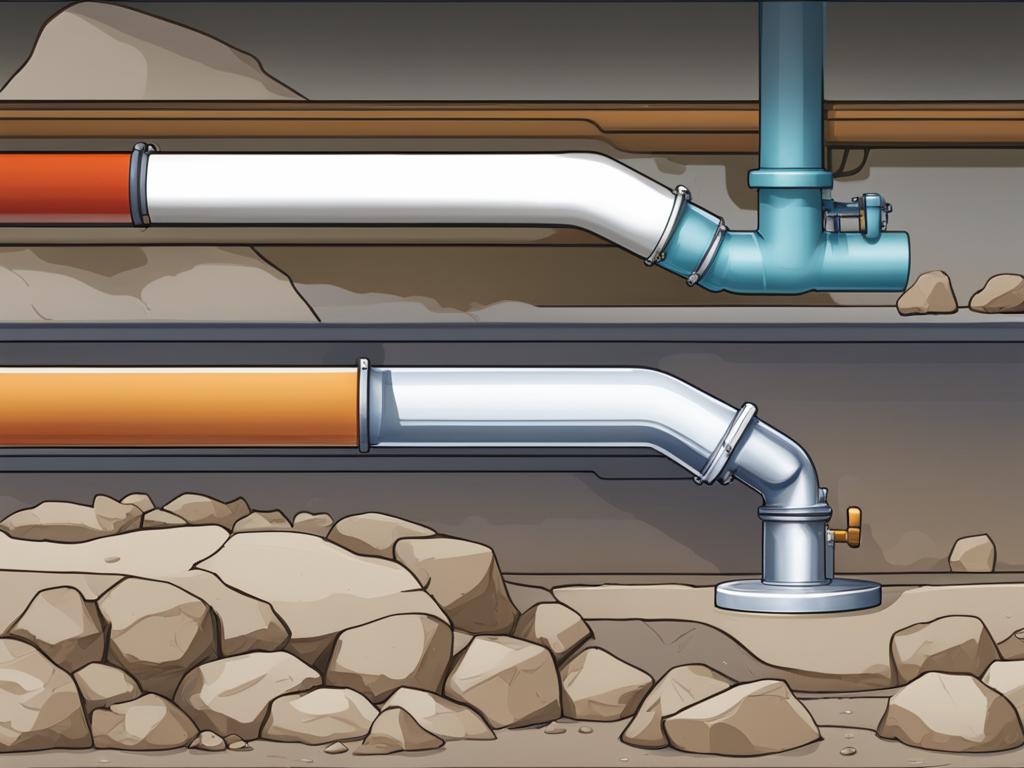
The quality of water running through your home’s plumbing doesn’t just affect your daily routines; it also has significant long-term implications for your plumbing infrastructure and appliances. Understanding how a water softener can have an impact on plumbing and contribute to appliance longevity is key to making informed decisions for your home.
Clogged Pipes: A Hard Water Legacy?
Many homeowners associate hard water with the nuisance of clogged pipes. However, thanks to advancements in modern plumbing materials, the likelihood of this happening has decreased substantially. Galvanized steel pipes, commonly used before the mid-1970s and prone to mineral buildup from hard water, have largely been replaced by materials less susceptible to such issues. Therefore, if your home has modern plumbing, the water softener impact on plumbing becomes less about clogging and more about preventative care.
Efficiency and Lifespan of Water-Using Appliances
Utilizing soft water is more than just a luxury; it’s a strategic choice for those seeking to extend the longevity of their household appliances. **Soft water assists in appliance longevity** and efficiency by preventing the harsh effects of limescale buildup most common in areas with hard water. Those scale deposits are particularly menacing to water heaters, potentially encrusting heating elements and impairing functionality.
With the reduction of mineral sedimentation within the appliances and pipes, water-softened systems ensure your equipment runs smoothly. As a result, not only do you get to enjoy the prevalent perks such as spotless dishes and softer laundry, but you can rest easy knowing that the **water softener impact on plumbing** translates to less maintenance and lower risk of premature breakdowns.
The following table showcases the harmonious relationship between soft water and your home appliances, further emphasizing the importance of water quality on everyday conveniences:
| Appliance | Benefit from Soft Water | Lifespan Expectancy |
|---|---|---|
| Water Heaters | Decreased limescale buildup, improved heat efficiency | Potentially increased by 30-50% |
| Dishwashers | Enhanced cleaning efficacy, less mineral spots | Fewer repairs required over lifetime |
| Washing Machines | Softer laundry, reduced need for detergent | Longer functional lifespan with less wear on components |
In conclusion, soft water plays a crucial part in safeguarding your home’s plumbing health and the efficient operation of water-reliant appliances. While the benefits of soft water are not always immediately tangible, the reduction in repair costs and the extended lifespan of appliances will certainly be appreciated by any homeowner in the long term. The impact of a water softener on plumbing and appliance longevity is an investment in the security and sustainability of your household.
Soft Water and Taste Perception
Have you ever taken a sip of water and thought it tasted a bit off? If you’re using a water softening system at home, that unique taste can likely be attributed to the taste of soft water. Unlike its hard counterpart, which may boast a somewhat earthy tone due to minerals like calcium and magnesium, soft water often carries a distinctive note in flavor that some describe as slightly saline.
Water softening is not just about altering the tangible hardness of your water; it affects the intangible aspect of taste as well. When your water goes through the softening process, it’s not just the feel that changes; there’s an unseen dance of ions, where minerals get exchanged, subtly tweaking the water softening and flavor profile of your once familiar H2O.
Curious about why this happens? Let’s dive into a side-by-side comparison:
| Quality of Water | Description | Impact on Flavor |
|---|---|---|
| Hard Water | Rich in minerals like calcium and magnesium | May taste better due to natural minerals that some find refreshing |
| Soft Water | Low in mineral content; often softened using salts | Can taste slightly salty or ‘flat’ due to lack of mineral content |
It’s important to remember that taste is incredibly personal. Some people might prefer the smooth, often neutral flavor of soft water, while others might miss the hint of minerals that they’ve grown accustomed to in their tap water. What’s important is knowing that the presence—or absence—of certain minerals is at the heart of these taste experiences.
Whether you favor one taste over the other could influence your choice in a water softening system, or you might adjust based on potential benefits such as prolonged appliance life and reduced pipe scale. Either way, knowing how the taste of soft water might differ from what you’re used to is an essential tidbit in the mosaic of home water management.
Ultimately, the best recommendation is to try water softening for yourself. Because just like the perfect glass of wine or the ideal brew of coffee, the preference for your water’s flavor is yours to discover and enjoy.
Soft Water for Cleaning and Personal Care

When it comes to maintaining a clean home and ensuring your personal care routine is effective, the type of water you use can make all the difference. Here, we’re going to delve into why soft water for cleaning and personal care is not just a choice but could be a game-changer for your daily life.
Cleaning Without Mineral Residue
Imagine washing your dishes only to find spots and film left behind; it’s frustrating, isn’t it? With soft water, you can say goodbye to these nuisances. The absence of heavy minerals like calcium and magnesium means that there’s no deposit left behind, ensuring your dishes come out sparkling clean—the way they should. Moreover, soft water for cleaning surfaces in your home means no more chalky residue on faucets or sinks, reducing your overall cleaning time and effort.
Personal Hygiene Benefits from Soft Water
Your shower time should be rejuvenating, and soft water makes sure of that by preventing soap scum build-up and allowing soaps and shampoos to lather more effectively. The result is a cleaner feel and a refreshing experience as your personal care products work more efficiently. Besides, who wouldn’t want to step out of the shower feeling truly clean with softer skin and more lustrous hair?
Personal care benefits from soft water extend beyond the shower. With every wash, your clothing gets cleaner without the harsh effects of mineral build-up, ensuring your fabrics stay bright and soft, prolonging their life. The transition from hard to soft water might feel different initially—you might notice skin feeling slick after rinsing off, but that’s simply because soft water doesn’t leave mineral residue. This feeling is actually indicative of your soap doing its job without the minerals in hard water getting in the way.
In sum, whether you’re looking to improve your home cleanliness or enhance your personal hygiene regimen, soft water offers a bevy of benefits that hard water simply can’t match. Embrace the efficiency, embrace the comfort, and most of all, enjoy the pristine results that soft water provides.
The Natural Journey of Water: Softness from Rainwater to Tap
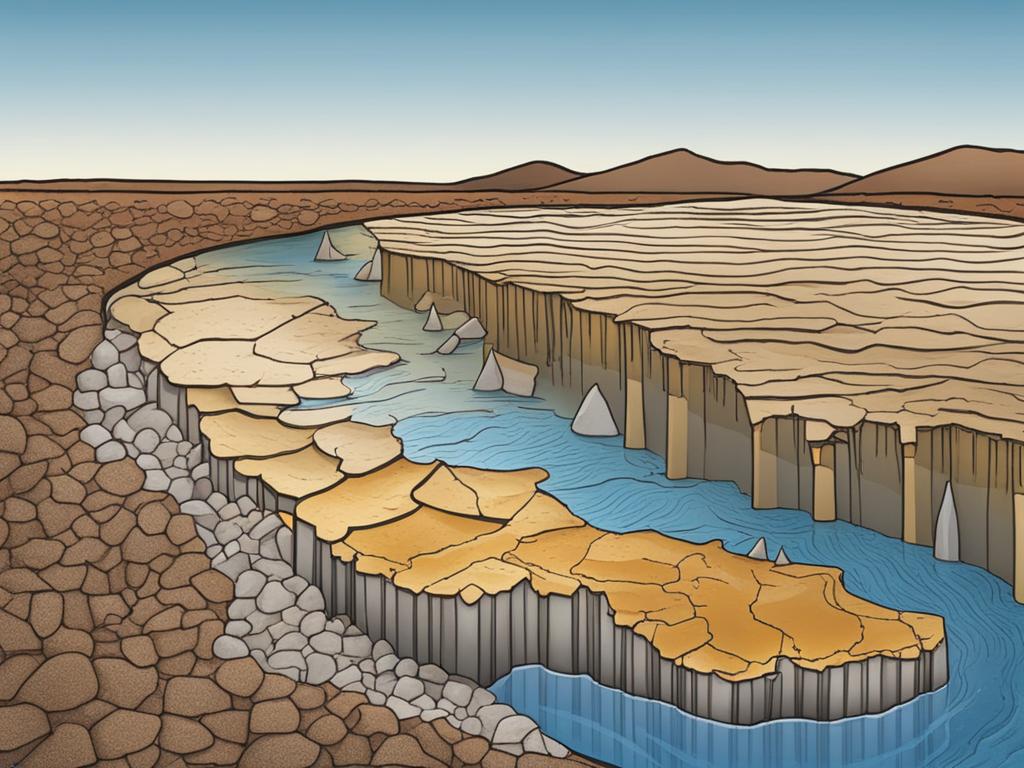
Have you ever wondered how the rainwater that nourishes our environment transforms into the water we use every day? Rainwater originates as naturally soft, but as it makes its path through the earth’s geological layers, it undergoes a fascinating metamorphosis. Let’s explore the journey rainwater takes and how its inherent softness changes before it flows from our taps.
How Rainwater Transitions from Soft to Hard
Rainwater is nature’s provision, pristine and soft when it falls from the skies. This rainwater softness is due not only to the distillation process that occurs within the cloud but also to the absence of minerals. However, once rain reaches the ground, the journey to our faucets begins, and the water encounters various natural filters that change its composition.
The transformation from rainwater’s softness to hard water development is inevitable in certain terrains. As water seeps into the earth, it meanders through layers of soil and rock, leaching minerals like calcium and magnesium along the way. These minerals, which are prevalent in chalk and limestone, are the primary contributors to water hardness.
Understanding this process is critical, as it shapes not only the quality of the water we use but also impacts the soils and ecosystems it traverses. The next time you observe rain descending from the clouds, consider the remarkable natural journey that drop of water embarks on—a journey that symbolizes the dynamic and ever-changing nature of our planet’s most vital resource.
Whether you live in an area with hard water or enjoy the perks of soft water, recognizing the transformation from the gentle rain to the water in your glass is to appreciate the intricate cycles that sustain life on earth. And if you’re contending with hard water, modern solutions like water softening systems exist to reclaim the softness lost on the water’s natural journey.
Ion Exchange: The Science Behind Water Softening
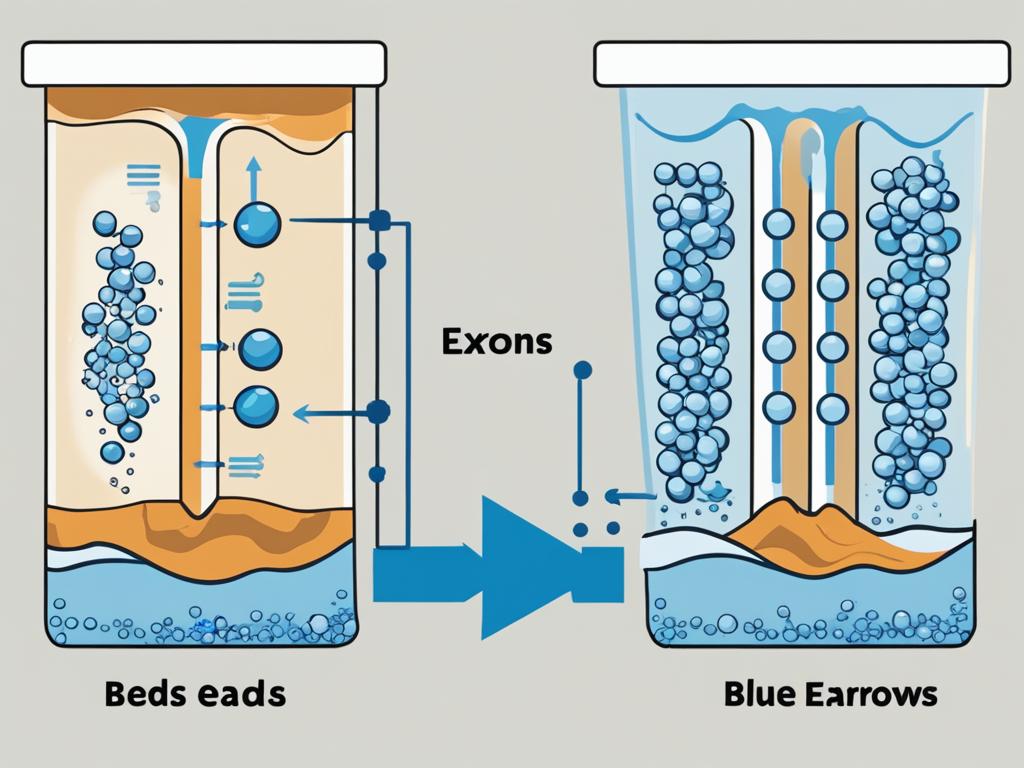
Delving into the technology behind the water softening process, we uncover the essential role of ion exchange technology, a remarkable scientific application that transforms our daily water experience. Understanding this process not only enlightens us about the mechanics of water softeners but also empowers us to better appreciate the ingenuity of this household necessity.
Understanding the Ion Exchange Process
At the core of the water softening process lies the ion exchange technology, a method by which hard water is relieved of its calcium and magnesium content. Imagine the hard water as a troop laden with mineral ‘backpacks’ marching through a forest of resin beads inside your water softener. Each resin bead is like a tree, offering a sodium or potassium ‘fruit’ in exchange for the hard minerals’ ‘backpacks’. This exchange is pivotal in making your water soft and kinder to your home.
Regeneration of Water Softening Systems
Over time, the sentinel trees – the resin beads – become saturated with the hard minerals and can no longer exchange ions effectively. This is where the process of resin bead regeneration comes into play. It’s akin to giving these trees a rest and a rejuvenating boost. A high concentration brine solution is flushed through the system, cleansing the resin beads of the accumulated minerals and reviving their ability to capture more mineral ‘backpacks’ from the passing water. This regenerative cycle ensures that your water softener continues to function at optimal levels.
By grasping the concepts of ion exchange technology and resin bead regeneration, you’re equipped with the knowledge to ensure the smooth running of your water softening process, providing you with soft, manageable water day in, day out.
Choosing and Maintaining Your Water Softener
When it comes to ensuring the longevity and efficiency of your home’s water systems, selecting a water softener tailored to your specific needs is essential. Not only does it play a crucial role in safeguarding your appliances from hard water damage, but it also contributes to the comfort of your daily domestic activities. Let’s explore the types of water softeners available and the best practices for water softener maintenance to keep your system running smoothly.
Types of Water Softeners
There’s a variety of water softeners on the market, each with its own set of features and mechanisms for tackling hard water. Your choice will largely depend on the size of your household, water hardness level, and personal preference for regeneration cycles.
Timed Regeneration Softeners are preset to regenerate based on a schedule, which might be once a week or after a certain number of gallons have been treated. Demand-Initiated Regeneration (DIR) Softeners, on the other hand, adapt to your actual water usage, regenerating only when necessary, conserving salt and reducing waste.
Maintenance and Upkeep of Softening Systems
Regular maintenance is pivotal for the continuous, effective performance of your water softener. Overlooking the upkeep can lead to mineral buildup, negatively affecting water quality and promoting the growth of unwanted microorganisms.
| Maintenance Task | Timed Regeneration Softener | Demand-Initiated Regeneration Softener |
|---|---|---|
| Check Salt Levels | Monthly | Monitor more frequently due to less predictable usage patterns |
| Clean Resin Bed | Every 6-12 months with resin cleaner | Every 6-12 months with resin cleaner |
| Inspect for Salt Bridges | Every 3 months | Every 3 months |
| Settings Adjustment | Periodically, as needed | Automated based on water usage; less manual adjustment |
Mindful water softener maintenance not only prolongs the life of your system but also assures that your home benefits from soft water day in and day out. Remember, the best practice includes a periodic review of your softener’s functions in addition to the manufacturer’s guidelines. For optimal performance and to forestall any potential issues, consider consulting with a professional for annual check-ups. Opting for the water softener that aligns with your lifestyle and maintaining it properly will deliver an uninterrupted supply of quality softened water to your household.
Conclusion
In your quest for understanding soft water, it’s evident that this low mineral content substance stands in sharp contrast to its counterpart, hard water, bringing forth an array of daily living enhancements. Your concerns about the potential health risks often tied to the excessive minerals in hard water are quelled, as soft water is shown to sidestep these issues, offering a safe and beneficial alternative to watery woes.
The benefits of soft water go beyond just personal use; they extend into the longevity and efficiency of household plumbing and appliances. From achieving spotless dishes to enjoying brighter clothes and more manageable hair, water softening benefits can profoundly improve the quality of life. Moreover, the efficiency of water-using appliances is substantially improved with softened water, which in turn can lead to cost savings over time.
Embracing the water softening process, specifically ion exchange, unleashes the potential to reap all the advantages soft water has to offer, contingent upon the commitment to regular system maintenance and selecting a water softening system that aligns with your needs. It’s clear that the positive impacts of implementing a water softening system in areas where hard water prevails are manifold, paving the way for a more comfortable and economically savvy home environment.
FAQ
What exactly is soft water?
Soft water is characterized by a low concentration of minerals, specifically calcium and magnesium. It’s defined as having less than 17 parts per million of these minerals and is considered ideal for household uses due to less mineral buildup.
How is water hardness classified?
Water hardness is classified based on the concentration of calcium and magnesium, with classifications ranging from soft (180 ppm).
Can geographic location affect the hardness of water?
Yes, water hardness can vary based on geography. This is due to the types of rocks, soil, and minerals the water comes into contact with, and the duration it spends underground, which alters the mineral content geographically.
What are some common misconceptions about soft water?
Common misconceptions include the belief that soft water is contaminated and that it leaves a residue on the skin. In reality, soft water is free from harmful contamination and the slippery sensation is due to the absence of mineral residues.
Are there any health risks associated with the minerals in soft water?
Generally, the low levels of minerals in soft water present no health risks. In contrast, excessive mineral intake from very hard water has potential health implications, although the minerals in lower concentrations can be beneficial nutrients.
How does soft water impact the body?
Soft water can make your skin and hair feel smoother due to less mineral buildup. It also can alter the taste of water because of the lower mineral content and the potential presence of salt if a salt-based softener is used.
What are the daily life benefits of using soft water at home?
Advantages of soft water at home include longer lifespan for appliances, less household cleaning effort due to no mineral buildup, and enhanced effectiveness of soaps and detergents. It also contributes to spotless dishes and vibrant, longer-lasting clothes.
Does soft water really prevent clogged pipes?
Soft water is less likely to cause clogged pipes because it has minimal mineral content. This prevents the buildup of limescale, which can lead to blockages, particularly in older homes with certain types of plumbing.
Will soft water improve the efficiency and lifespan of my appliances?
Yes, soft water can significantly improve the efficiency and lifespan of water-using appliances by preventing the buildup of minerals, which can lead to wear and tear or malfunctions over time.
Does the taste of water change after softening?
The taste of soft water can differ from hard water, potentially tasting slightly salty if a salt-based softening system is used. However, this is subjective as some may prefer the taste of soft water over hard water.
How does soft water enhance cleaning and personal hygiene?
Soft water prevents the formation of soap scum and mineral residue, making cleaning more efficient. It also allows soaps to lather better, thereby enhancing personal hygiene with a cleaner wash and leaving skin and hair feeling softer.
What causes rainwater to transition from being soft to potentially hard?
Rainwater is naturally soft but can become hard when it percolates through the soil and rocks, absorbing minerals like calcium and magnesium. The level of these minerals picked up will dictate the water’s hardness as it enters the household supply.
What is the ion exchange process in water softening?
The ion exchange process in water softening is where calcium and magnesium ions, which cause water hardness, are replaced with sodium or potassium ions, rendering the water soft.
How important is regular regeneration of water softening systems?
Regular regeneration of resin beads in water softening systems is crucial to maintain their effectiveness. Over time, the beads become saturated with mineral ions and must be flushed and recharged to continue softening water.
How do I choose the right type of water softener for my home?
Selecting the right water softener will depend on your specific needs, household size, water hardness level, and personal preference for system types, such as timed or demand-initiated regeneration units.
What maintenance is required for a water softening system?
Regular maintenance for a water softening system includes checking salt levels, ensuring the resin bed is free from debris, and occasionally sanitizing the system to prevent bacterial growth and maintain optimal performance.
Leave a Reply
You must be logged in to post a comment.