

If you’ve ever marveled at how your non-stick pan repels eggs with ease or pondered the secrets behind the waterproof jacket that keeps you dry during a downpour, you might be surprised to learn that an invisible player called perfluorooctanoic acid, or PFOA, could be at work. Let’s dive into an informative exploration together, where you will gain a deeper understanding of what PFOA is and why it’s a topic of growing concern in scientific and health communities.
PFOA’s widespread applicability in the past made it a ubiquitous chemical in various industries; sadly, this same effectiveness is what also raises environmental and health concerns. Embark on a journey with us to unfold critical PFOA facts, offering you a comprehensive perfluorooctanoic acid overview and a nuanced PFOA chemical analysis.
Key Takeaways
- Grasp the essence of what PFOA represents and its varied applications that once infused diverse commercial products.
- Appreciate the versatility of PFOA while acknowledging why its use is declining amid environmental and health precautions.
- Understand the intricate balance between the industrial benefits and the ecological footprint of persistent chemicals like PFOA.
- Recognize the significance of staying informed on matters of PFOA given its potential impact on your health and surroundings.
- Discover the initiative in scientific circles geared towards a comprehensive PFOA chemical analysis and its long-term consequences.
Introduction to Perfluorooctanoic Acid (PFOA)
When you’re delving into the world of synthetic compounds, Perfluorooctanoic Acid, or PFOA, emerges as a significant player. An introduction to PFOA reveals that this man-made chemical has been extensively used in various manufacturing processes due to its exceptional ability to repel oil and water. Understanding the PFOA chemical background is crucial for comprehending how this substance has impacted industries and the environment alike.
The resilience of PFOA is noteworthy—it persists in the environment even after its primary applications have declined. A deeper understanding of PFOA properties shows that this compound does not break down easily, leading to its detection in water bodies and within various wildlife species. While manufacturers have transitioned to other methods that do not involve the use of PFOA, its legacy remains present across the globe.
| Property | Description | Environmental Impact |
|---|---|---|
| Chemical Stability | Highly resistant to typical environmental degradation processes | Long-term persistence in ecosystems |
| Water and Oil Repellence | Prevents absorption of water and oil-based substances | Used in coatings for various consumer goods |
| Heat Resistance | Withstands extremely high temperatures without breaking down | Application in non-stick cookware and heat-resistant fabrics |
| Ubiquity | Present in trace amounts across diverse environments | Contributes to widespread distribution and bioaccumulation |
The complexity and robustness of PFOA affirm its past value in commercial applications, yet its environmental footprint compels us to reconsider its usage and seek sustainable alternatives. As you continue exploring this topic, keep in mind the importance of balancing industrial needs with environmental stewardship and public health considerations.
What is PFOA and Its Historical Use
When delving into the topic of PFOA, you may find the depth of its historical applications as astonishing as its molecular complexity. PFOA, known for its robustness in a variety of industrial settings, stands as a testament to human ingenuity in material science. Let’s explore the makeup of this powerful compound, and uncover the layers of its past in technological advancements.
The Chemical Structure and Properties of PFOA
The molecular intricacies of PFOA, or perfluorooctanoic acid, reveal a substance designed for resilience. Its **chemical structure** comprises a chain of carbon atoms sheathed in fluorine atoms, resulting in a compound that’s highly resistant to heat and chemical reaction. This stability, a defining trait, is what earmarked PFOA as a choice ingredient in the creation of durable materials for decades.
Despite its industrial valor, concerns about PFOA’s persistence in the environment have prompted a reevaluation of its safety and broad-spectrum utilization. The compound’s carbon-fluorine bonds are among the strongest in organic chemistry, granting PFOA its staying power against degradation processes. Hence, while PFOA’s chemical structure gifted it with an edge in manufacturing, it also cast a shadow of environmental persistence.
PFOA’s Role in Fluoropolymer Production
The annals of fluoropolymer production are rich with the imprint of PFOA, primarily recognized for its role in producing the renowned non-stick surfaces of cookware. Fluoropolymers, which are polymers composed of fluorocarbons, are notorious for their non-reactive nature and ability to withstand corrosive chemicals and extreme temperatures, serving not only kitchens but also aerospace, automotive, and telecommunications industries.
Since the 1940s, PFOA’s historical use has helped manufacture an array of consumer and industrial products, including fabric protectors, firefighting foams, and electrical insulation. The ironic twist in PFOA’s tale is that its excellent performance would spark the very concern leading to its decline in use. As the understanding of PFOA’s environmental and health implications expanded, the urgency to find safer alternatives climbed. Your very own kitchen likely benefited from the technological advance spurred by PFOA, but it may also represent the forward trajectory toward safer, sustainable materials.
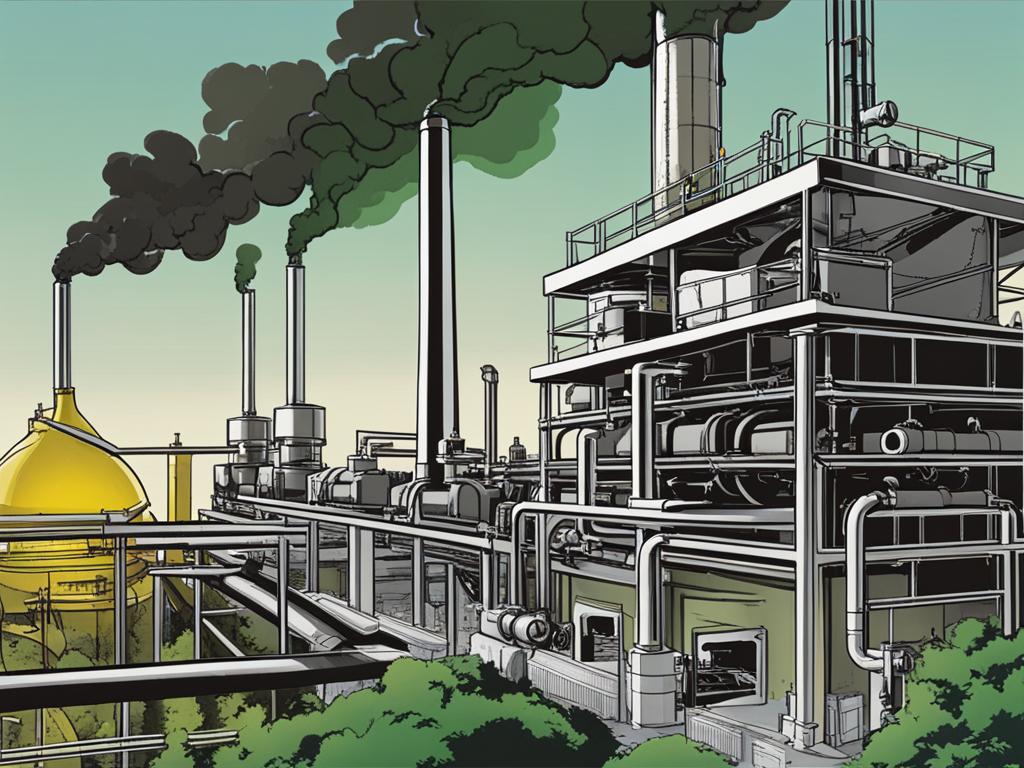
In table form, we’ve outlined the contrasts between the initial enthusiasm for PFOA’s remarkable properties and the subsequent health considerations that motivated a shift in its utilization:
| Decade | Usage of PFOA | Environmental and Health Perspective |
|---|---|---|
| 1940s – 1960s | Introduction to market, primary use in fluoropolymer industry | Minimal publicly available health or environmental impact data |
| 1970s – 1990s | Height of PFOA use, expansion into various applications | Emerging concerns over persistence and bioaccumulation |
| 2000s – Present | Phasedown initiated, search for alternate materials | Increased awareness and regulations due to potential adverse effects |
While usage trends of PFOA have certainly reshaped the landscape of fluoropolymer production, these historical insights remind you that innovation often comes hand-in-hand with responsibility. Learning from the past allows for strides into a future where materials are synthesized with both efficacy and ecological harmony in mind.
The Environmental Persistence of PFOA
When considering the well-being of our ecosystems, it’s impossible to overlook the durable chemical called PFOA—perfluorooctanoic acid. A compound known for its stability and resistance to breakdown, PFOA clings to the planet with an unwavering grip, raising concerns over its widespread PFOA environmental impact and possible effects on wildlife. Understanding the issues related to PFOA persistence and its influence on ecosystems starts with a look into its origins and the consequences of its long-lasting nature.

Sources of PFOA in the Environment
Tracing the presence of PFOA in our environment leads us to several origins:
- Firefighting foams, a vital aspect of emergency response services.
- Industrial effluents from facilities once utilising PFOA in production processes.
- Household items and consumer goods ranging from stain-resistant fabrics to certain types of non-stick cookware.
This compound doesn’t respect natural boundaries, spreading through various pathways and potentially impacting creatures that have never been near an industrial site. Your familiarity with a product or process that relies on PFOA might be closer than you think, as it seeps its way into our homes and natural surroundings.
Impact on Water and Land Animals
The tenacity of PFOA exposes water and land animals to various risks. Its ability to be bioaccumulative — building up in organisms over time — is especially troubling..
The proliferation of PFOA across diverse habitats pinpoints the challenges we face in understanding and mitigating its PFOA wildlife effects.
Here’s a glimpse into how PFOA affects different species:
| Species | Type of Exposure | Potential Effect |
|---|---|---|
| Aquatic life | Contaminated waterways | Disruption of growth and reproductive functions |
| Land mammals | Food chain contamination | Changes in hormone levels and immune system |
| Birds | PFAS-contaminated regions | Reduced hatching rates and altered plumage conditions |
The impact on these species not only underlines an individual health risk but also heralds a warning for broader ecological disbalances. As a custodian of nature, your awareness and subsequent actions towards understanding PFOA can help mitigate the looming threat it poses to our intricate web of life.
Exposure to PFOA: Risks and Pathways
You might often wonder about the invisible dangers residing in the very conveniences of daily life. When it comes to PFOA exposure, it’s more common than many realize, and understanding the risk factors can be crucial to ensuring your health and safety.
How People Encounter PFOA in Daily Life
Everyday interactions with various products and environments may be inconspicuously introducing you to PFOA. Whether it’s through the use of non-stick cookware in your kitchen or the water you drink, PFOA risk factors are embedded in many aspects of PFOA in daily life.
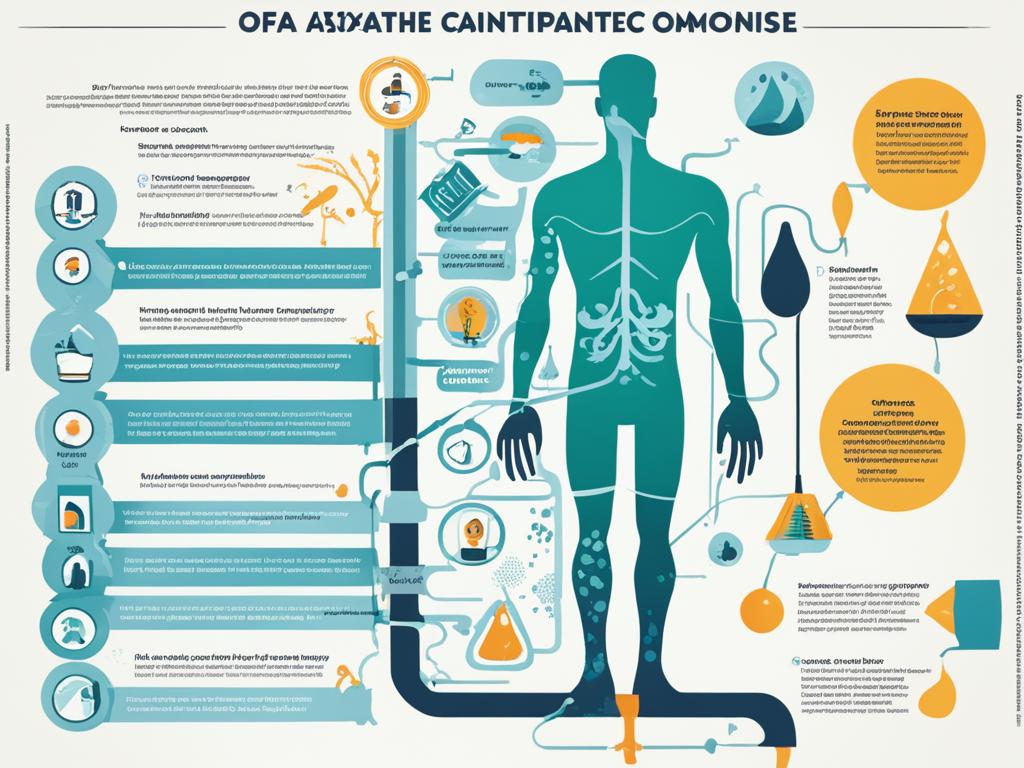
Ingesting PFOA Through Water and Consumer Products
The contamination of drinking water sources has emerged as a prominent pathway for PFOA ingestion. Industrial runoffs, the use of firefighting foams, and even the breakdown of consumer products can lead to an elevation of PFOA levels in water supplies. Moreover, certain waterproof or stain-resistant items around your home may also contribute to unwanted PFOA exposure.
| Source of Exposure | Potential Risk Level | Prevalence in Daily Life |
|---|---|---|
| Drinking Water | High | Common |
| Non-stick Cookware | Moderate | Frequent |
| Stain-resistant Fabrics | Low | Occasional |
| Food Packaging | Moderate | Common |
| Industrial Exposure | High | Occupational Hazard |
While the awareness of PFOA’s prevalence grows, so does our ability to institute measures that limit exposure. It’s important to remember, as someone living in the modern world, the value of staying informed cannot be overstated when it comes to safeguarding you and your loved ones from PFOA’s unseen reach.
Health Implications of PFOA Exposure
Understanding the potential health implications of PFOA exposure is of increasing importance. PFOA, once used extensively in various industries due to its resistance to heat and chemical reactions, is now the subject of scrutiny for its possible effects on human health. Your awareness of this chemical compound, especially regarding its persistence in the environment and the body, is crucial for making informed lifestyle and health decisions.

Investigating the Effects of PFOA on Human Health
Scientific inquiry into the health effects of PFOA primarily hinges on observations from laboratory studies. Although direct correlations in human health are more complex to establish, the knowledge gained from these studies can be instrumental in understanding potential risks. Are you aware that human exposure to PFOA can occur through contaminated drinking water, household dust, and the use of products that once employed PFOA in their manufacturing processes? It’s essential to keep in mind these various exposure pathways to better evaluate your personal risk.
PFOA’s Association with Cancer and Other Illnesses
One of the most concerning associations of PFOA exposure is its potential link with cancer. While research regarding PFOA and cancer is ongoing, some evidence suggests an increased risk for conditions like testicular and kidney cancers. However, it is essential to recognize that more definitive studies are needed for a clear understanding. Meanwhile, other health concerns, such as thyroid disease, high cholesterol, and developmental effects, have also been associated with PFOA exposure. As part of a broader community, staying informed about these potential health implications is vital for ensuring our collective well-being.
Regulatory Actions and Industry Response to PFOA
The conversation around PFOA regulatory actions has intensified as awareness of its potential risks has grown. Recognizing the need for stricter oversight, the United States has seen a decline in PFOA production, spearheaded by several regulatory developments. Perhaps most notably, the Environmental Protection Agency (EPA) and the Food and Drug Administration (FDA) have been at the forefront, instituting federal advisories and closely monitoring PFOA levels in drinking water and consumer goods.
Following these guidelines, the PFOA industry response has typically been one of compliance and innovation, with affected industries searching for safer alternatives and adjusting business practices to adhere to new regulations. As you might expect, this shift has been a complex and challenging journey for many, particularly as they respond to the evolving PFOA environmental guidelines aimed at protecting both ecosystems and public health.
Here’s a closer look at the steps taken and the ongoing measures to regulate this persistent chemical:
- Introduction of health advisories for acceptable levels of PFOA in drinking water.
- Implementation of surveillance programs to assess PFOA concentration in environmental samples.
- Engagement with stakeholders across industries to transition towards PFOA-free processes.
Establishing effective environmental guidelines is a key step to ensuring that the transition away from PFOA does not only end with its phase-out but also with the security of preventing a similar issue from occurring in the future.
Here’s a summary of the actions taken by various bodies:
| Regulatory Agency | Key Actions | Impact on Industry |
|---|---|---|
| Environmental Protection Agency (EPA) | Issued health advisories and proposed limits for PFOA in water. | Influenced water treatment practices and materials used. |
| Food and Drug Administration (FDA) | Worked on phasing out PFAS in food packaging. | Shifted the packaging industry towards non-PFOA alternatives. |
| State Regulatory Bodies | Adopted standards that can be more stringent than federal levels. | Encouraged regional shifts and adjustments in local industrial practices. |
Remember, the collective effort to reduce the impact of PFOA not only depends on these agencies and companies but also your informed choices as a consumer. Your awareness and demand for safer products can direct the market towards more sustainable practices.
What is PFOA
As you delve into the complexities of perfluorooctanoic acid (PFOA), it’s essential to identify PFOA and comprehend its widespread usage in the past. This synthetic chemical has had a broad range of applications, affecting various aspects of daily life. Understanding its identity and the multifaceted nature of its use is vital for making informed health and environmental decisions.
Understanding the Identity and Usage of PFOA
PFOA has been notably utilized in the production of non-stick cookware, water-repellent clothing, stain-resistant fabrics, and some firefighting foams. While this chemical has enhanced the performance and durability of these products, its environmental and health impacts have raised considerable concerns over the years.

PFOA’s Classification by Health Organizations
The health organization PFOA classification speaks to the growing apprehension surrounding this compound. The International Agency for Research on Cancer has labeled PFOA as “possibly carcinogenic to humans,” acknowledging the potential cancer risks it poses based on animal studies and some human epidemiological evidence. Though the U.S. Environmental Protection Agency (EPA) has not given an official cancer risk classification, it recognizes the suggestive findings from various research and urges ongoing monitoring and assessment.
This information is key in enhancing public health understanding and fostering a commitment to safeguarding environmental integrity for future generations.
Preventive Measures and Reducing Personal Exposure
In the quest for PFOA preventive measures and reducing PFOA exposure, knowledge and action go hand in hand. Understanding the sources of exposure and actively seeking out alternatives to PFOA can significantly contribute to your and your family’s health. Let’s take a closer look at how you can minimize contact with this persistent chemical.
Alternatives to PFOA-containing Products
Making conscious choices about the products you buy can drastically cut down your exposure to PFOA. Nowadays, many manufacturers offer PFOA-free options, especially in kitchenware and clothing. Opt for products labeled as “PFOA-free” to ensure you’re not bringing these chemicals into your home.
- Cookware: Select pots and pans that are specifically marketed as non-toxic and PFOA-free. Ceramic and cast iron are favorable alternatives.
- Stain-resistant products: When looking for carpets, fabrics, or upholstery that tout stain resistance, confirm that they’re free from PFOA or other perfluorinated compounds.
- Outdoor gear: Choose outdoor apparel that doesn’t rely on PFOA-based treatments for waterproofing and enhanced durability.
Water Filtration and Treatment Options
One of the key pathways for PFOA exposure is through contaminated drinking water. You can take steps to purify your tap water with effective filtration systems that help remove these contaminants.
Remember: Always check the specifications of water filters to ensure they are certified to reduce PFOA levels.
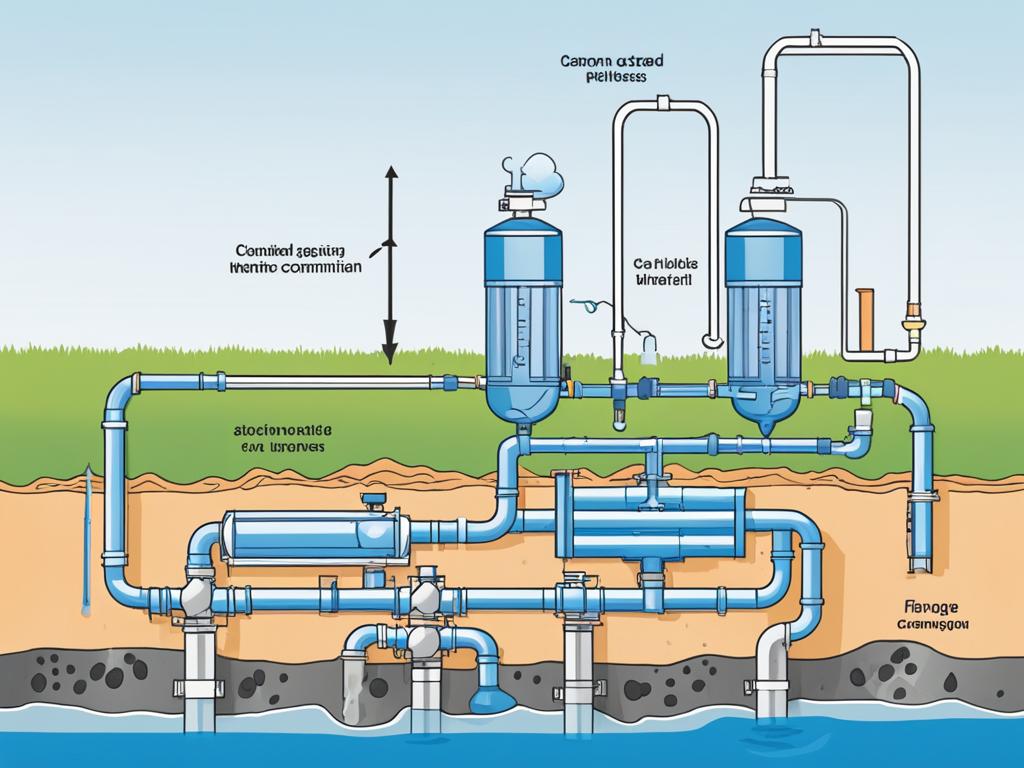
| Filtration System | Type | Effectiveness at Reducing PFOA | Considerations |
|---|---|---|---|
| Activated Carbon Filters | Absorption | High | Requires regular replacement of filters for optimal performance |
| Reverse Osmosis | Membrane filtration | Very high | More expensive and can produce wastewater |
| Ion Exchange | Chemical process | Moderate to high | Effective for a wide range of contaminants beyond PFOA |
By embracing these strategies, reducing PFOA exposure becomes an attainable goal, supporting a healthier lifestyle and contributing to the demand for safer consumer products. Explore alternatives to PFOA and make use of advanced water filtration—it’s a significant step towards safeguarding your wellbeing.
PFOA in Food and Consumer Goods
As a health-conscious consumer, it’s crucial to understand the potential impacts of PFOA on your everyday life, particularly when it comes to PFOA in food and PFOA in consumer goods. With ongoing research pointing to the pervasive nature of these substances, the matter of PFOA packaging risks has garnered increased attention from both regulatory bodies and the public.
The Presence of PFOA in Food Packaging
Food packaging is an insidious pathway for PFOA to enter your diet. Despite efforts to limit PFOA’s presence, traces of this substance may still linger in the packaging of the foodstuff you purchase. The FDA’s initiatives to eliminate PFOA from these materials reflect a concern for the well-being of consumers like you and the integrity of the food supply chain.
The appearance of PFOA in an array of food products can be tied back to environmental contamination and contact with food containers containing PFAS substances. Investigations and tests on foods, particularly those prone to absorption like seafood and canned items, have noted the presence of PFAS. However, it’s worth noting that only a marginal fraction of food items tested show detectable levels.
Assessing the Risk from PFOA in Household Items
It’s not just food packaging—household items that you come into contact with daily may also pose a risk. Various consumer goods have historically utilized PFOA for their non-stick or stain-resistant properties. Today, the potential health risks associated have resulted in a shift towards PFOA-free products. As these changes unfold, staying informed about which goods are safe and which may still harbor PFOA is vital.
Here’s a breakdown of common household items and whether they may contain PFOA:
| Household Item | Possible PFOA Presence | Available PFOA-Free Alternatives |
|---|---|---|
| Non-stick Cookware | Historically, Yes | Ceramic, Hard-Anodized Aluminum |
| Food Packaging | Decreasing, due to FDA initiatives | Packaging marked “PFOA-Free” |
| Stain-Resistant Fabrics | Varies by Manufacturer | Organic Cotton, Treated Wool |
| Water-Resistant Clothing | Varies by Manufacturer | PFC-Free Materials |
| Carpeting and Upholstery | Varies by Manufacturer | Green Label Plus Certified Products |
The shift towards PFOA-free goods is an encouraging sign of progress, highlighting the importance of take-charge efforts to protect yourself and your family from these chemical compounds. Keep an eye out for labels and certifications indicating PFOA-free products and remain engaged with the latest findings related to PFOA usage.
Remember, as a proactive consumer, your choices can make a difference in the landscape of product safety and industry standards.
Emerging Research and Ongoing Studies on PFOA
The landscape of PFOA research is continuously evolving, with groundbreaking ongoing PFOA studies being instrumental in shaping the future of PFOA analysis. As the effects of PFOA remain a pressing concern, researchers are diving deeper into the consequences of this persistent chemical on both our health and the environment.

To keep you informed on the advances in PFOA research, here’s a summary of current studies from reputable institutions:
- The Minnesota Department of Health is scrutinizing the relationship between PFOA exposure and alterations in cholesterol levels, liver function, and the potential increase in cancer risks.
- Universities are exploring the chemical’s long-term ecological impact, examining PFOA’s persistence in water bodies and its effects on aquatic life.
- Government-funded initiatives are assessing the need for PFOA monitoring in public water systems.
These research projects are pivotal for crafting future guidelines and informing the public and regulatory bodies about the risks associated with PFOA. The findings will not only enhance our understanding but also aid in mitigating the potential health and environmental implications tied to PFOA.
Curious about the specific focus of current PFOA research? Take a look at the areas of study:
| Research Institution | Areas of Focus | Expected Outcomes |
|---|---|---|
| Minnesota Department of Health | PFOA correlation with diseases | Guidance for state regulations |
| Academic Research Consortium | PFOA impact on aquatic ecosystems | Conservation strategies |
| National Environmental Agency | Monitoring PFOA in drinking water | Public health advisories |
As you witness the transition away from PFOA in industrial processes and consumer products, it’s essential to stay informed about the strides being made in PFOA analysis. By understanding the ongoing research, you can better appreciate the efforts invested in safeguarding public health and preserving environmental integrity.
Governmental Standards and Safety Thresholds for PFOA
In your efforts to stay informed about the environmental and health concerns surrounding perfluorooctanoic acid (PFOA), understanding the regulatory landscape is crucial. The United States has established several benchmarks for PFOA’s presence in our lives, primarily through the actions of the Environmental Protection Agency (EPA) and the Food and Drug Administration (FDA). These agencies play pivotal roles in setting the PFOA safety thresholds, which are essential to protecting public health.

EPA and FDA’s Role in Regulating PFOA Levels
The EPA’s advisory levels for PFOA in drinking water have been instrumental in shaping PFOA governmental standards. The agency, tasked with safeguarding the nation’s water quality, has proposed regulatory measures to mitigate PFOA’s impact on the environment. Similarly, the FDA oversees the safety of our food supply, engaging in efforts to minimize the use of PFAS compounds like PFOA in food packaging and other consumer products.
State-Level Regulations and Guidelines
Along with federal efforts, individual states have tackled PFOA’s prevalence on their terms, sometimes enacting more stringent regulations. By staying ahead of EPA FDA PFOA regulation standards, these states aim to offer additional protection to their residents. The intricate tapestry of state and federal directives forms a multifaceted defense against the potential risks posed by PFOA contamination.
| Regulatory Body | PFOA Safety Thresholds | Scope of Regulation |
|---|---|---|
| EPA | Advisory level for drinking water | Nationwide |
| FDA | Limits in food packaging | Nationwide, especially concerning import and manufacturing standards |
| State Agencies | Varies, some stricter than EPA advisories | State-specific, often influenced by local environmental factors and politics |
As PFOA continues to be a topic of concern, it’s imperative that you stay current with both federal and state regulations. By doing so, you can make informed decisions that best safeguard your health, and be an advocate for environmental safety in your community.
Conclusion
In our exploration, we’ve unearthed the complexities of Perfluorooctanoic acid, better known as PFOA, delving into its extensive use, environmental persistence, and the growing concerns over health implications. Increased PFOA awareness has paved the way for necessary change, fostering an understanding that you can carry into your daily decisions and discussions concerning environmental health and safety.
Reflecting on the Necessity of Awareness and Change
Your empowerment begins with knowledge. Recognizing the presence of PFOA in everyday products prompts a call to action to support and advocate for PFOA regulatory change. By staying informed on what is entering your surroundings, you can contribute to the cascade of actions needed to safeguard your health and that of the environment. Encouraging proactive steps within your community, such as campaigning for proper disposal methods and endorsing companies that offer PFOA-free alternatives, illustrates the power of informed choice and community action.
Moving Forward: The Future of PFOA Regulations and Research
As we look to the horizon, the future of PFOA management is destined to be shaped by rigorous scientific research and strengthened regulations. Your role in this progression is crucial—by staying alert to updates in PFOA-related research, engaging in public discourse, and adopting safer practices, you sustain the momentum towards a healthier, PFOA-minimized future. Hence, your vigilance and participation in environmental advocacy contribute to a collective effort that champions a more sustainable planet for forthcoming generations.
FAQ
What exactly is PFOA, and why is it significant?
Perfluorooctanoic acid (PFOA) is a synthetic chemical previously utilized in manufacturing processes and the creation of fluoropolymers, substances resistant to heat, stains, and water. It’s significant because of its widespread use and environmental persistence, raising concerns about potential health risks.
How has PFOA been historically used in industry?
Historically, PFOA played a crucial role in the production of fluoropolymer products, such as Teflon for non-stick cookware. Its ability to resist adverse conditions made it valuable for various commercial and industrial applications.
What are the sources of PFOA in the environment?
PFOA can enter the environment through industrial emissions, the use of firefighting foams, product use, and disposal. Its stability means it persists in the environment, leading to widespread distribution.
How are people typically exposed to PFOA?
People are primarily exposed to PFOA through contaminated drinking water. Additional exposure may occur through the use of consumer products containing PFOA, with certain occupations facing higher exposure risks due to workplace contact with perfluorochemicals.
What are the potential health effects of PFOA?
While definitive health effects in humans remain unclear, studies suggest that PFOA exposure may result in developmental, reproductive, and liver issues in laboratory animals. There is also suggestive evidence linking PFOA to an increased risk of testicular and kidney cancer.
What actions have regulators taken concerning PFOA?
Regulators, including the EPA and the FDA, have issued health advisories and are working toward establishing drinking water standards. In addition, there’s a push to remove PFOA from food packaging and to regulate its levels in consumer goods and the environment.
How can I identify and avoid products that contain PFOA?
You can reduce exposure by choosing PFOA-free products and checking for labels that indicate the absence of PFOA. It’s also beneficial to be informed about product materials and manufacturing processes.
Are there ways to treat water to remove PFOA?
Yes, using household water filtration systems such as reverse osmosis or activated carbon filters can reduce PFOA levels in drinking water effectively.
How does PFOA get into food, and what is being done about it?
PFOA can contaminate food through environmental exposure, like when grown in contaminated soil or water, or through contact with food packaging that contains PFAS. The FDA is working with manufacturers to eliminate certain PFAS used in food packaging to minimize potential health impacts.
What research is currently underway to better understand PFOA?
Ongoing studies are focused on evaluating the long-term health and ecological effects of PFOA. This includes looking at how PFOA exposure affects cholesterol levels, liver function, and cancer risks, among other health outcomes.
What role do the EPA and FDA play in regulating PFOA?
The EPA issues health advisories and works on setting enforceable drinking water standards for PFOA, while the FDA ensures the safety of the food supply chain, including reducing PFAS usage in food packaging.
Can individual states set their own regulations for PFOA?
Yes, several states have established their own guidelines and regulations, which can be more stringent than federal advisories. These efforts complement the regulations set forth by national agencies like the EPA and FDA.
Why is it important to maintain awareness about PFOA in everyday life?
Maintaining awareness about PFOA is critical due to its potential health risks and long-term environmental impact. Staying informed helps people make healthier choices and puts pressure on industries and regulators to implement safer practices and stricter standards.
Leave a Reply
You must be logged in to post a comment.