
As you stroll through the water aisle, your eyes scan over shelves lined with an array of clear, pristine bottles. You pause, considering your options, your health, and of course, the purity of what you’ll be drinking. Amidst this sea of choices, one particular query lingers in your mind: is bottled water distilled? In the realm of bottled water purity, understanding the distinctions between the various types, such as spring or purified, and especially distilled drinking water, becomes quintessential. With so many brands claiming the crown of cleanliness, discerning truth from marketing becomes a vital skill. So let’s dive into the facts behind bottled water processing and reveal what’s really in the bottle you’re holding.
Key Takeaways
- Distilled drinking water is just one type of bottled water available on the market, offering high levels of purity.
- Not all bottled water is created equal—different processing methods yield distinct types of bottled water.
- Bottled water processing involves several techniques, and distillation is one such method that may be used.
- The label on your bottled water holds the key to understanding whether it has been distilled or treated through other means.
- Municipalities seeking bottled water during emergencies need to look closely at labels and processes to make informed decisions.
- Your awareness of the processing techniques behind bottled water can guide your choices towards safety and quality.
Understanding Bottled Water: A Market Overview
The bottled water industry has become a monumental facet of everyday life, representing a significant commercial sector that caters to the demand for convenient, safe, and sometimes enhanced hydration solutions. This deep-dive into its expanse reveals the intricacies behind water types and the stringent oversight maintaining their standards.
The Billion-Dollar Bottled Water Industry
As an economic powerhouse, the bottled water industry has steadily grown to surpass billions in sales. Preferences for bottled over tap water, driven by factors of accessibility and perceived quality, have significantly contributed to this surge. Major players and countless smaller brands compete within this bustling marketplace, continually innovating to capture consumer interest.
Types of Bottled Water: Spring, Purified, and Enhanced
Whether sourced from idyllic springs, subjected to purifying treatments, or fortified with minerals and vitamins, the variety available can be dizzying. Spring, purified (inclusive of distilled), and enhanced water types each bring unique selling points aimed at meeting divergent consumer needs and preferences. Understanding these distinctions is essential in making an educated choice amidst a sea of options.
Regulations and Oversight by the FDA and Other Agencies
Integral to ensuring consumer confidence in these products, the FDA water guidelines act as a relentless guard upholding safety and quality across the spectrum of water types. Together with other agencies such as the USDA, MDARD, and MDEQ, the regulatory landscape enforcing compliance is both multifaceted and robust, thereby supporting the continuous trust vested in bottled waters by millions. To illustrate the oversight mechanism, here is a table detailing the FDA standards for various bottled water types:
| Type of Water | Definition | Quality Standards |
|---|---|---|
| Spring Water | Derived from an underground formation from which water flows naturally to the surface of the earth. | Must be collected only at the spring or through a borehole tapping the underground formation feeding the spring. |
| Purified Water | Water that has been produced by distillation, deionization, reverse osmosis, or other suitable processes. | Must meet the purity criteria of purified water in the United States Pharmacopeia. |
| Enhanced Water | Water to which various “enhancements” have been added, such as minerals, vitamins, or artificial flavors. | Depending on the enhancement, additional labeling standards may apply. |
What Exactly is Spring Water?
When you reach for a bottle of natural spring water, you’re choosing water that’s sourced from the Earth’s hidden, pristine reserves. According to the FDA definition, this water must flow naturally to the surface or be drawn through a bore hole that taps the underground formation feeding the spring. For a product to don the label of bottled spring water, strict bottled spring water standards must be met, showcasing the water’s journey from underground aquifers to your hands.
Renowned brands like Nestle’s Ice Mountain and Poland Spring are not just empty names; they reveal their water’s origins with pride. Such transparency ensures you’re sipping on water that’s truly of a higher caliber. Some manufacturers may even introduce minerals to enhance the water’s purity and flavor profile – a testament to the brand’s dedication to quality. Below is a table comparing the bottled spring water standards upheld by two popular brands:
| Brand | Source | Treatment | QC Practices |
|---|---|---|---|
| Nestle’s Ice Mountain | Spring Source Indicated on Bottle | Minerals Added for Purity | Meet FDA Regulations |
| Poland Spring | Spring Source Indicated on Bottle | UV Light Disinfection | Adherence to FDA and IBWA Standards |
Whether you’re hydrating after a hike or savoring a meal, the refreshing taste of spring water is unmistakable. In the quest for purity, nothing quite compares to the crispness of water that has journeyed through layers of rock – filtering and gathering essential minerals – finally ready for you to drink. Next time you lift a bottle of spring water to your lips, remember the natural legacy you’re part of.
Is Bottled Water Distilled?
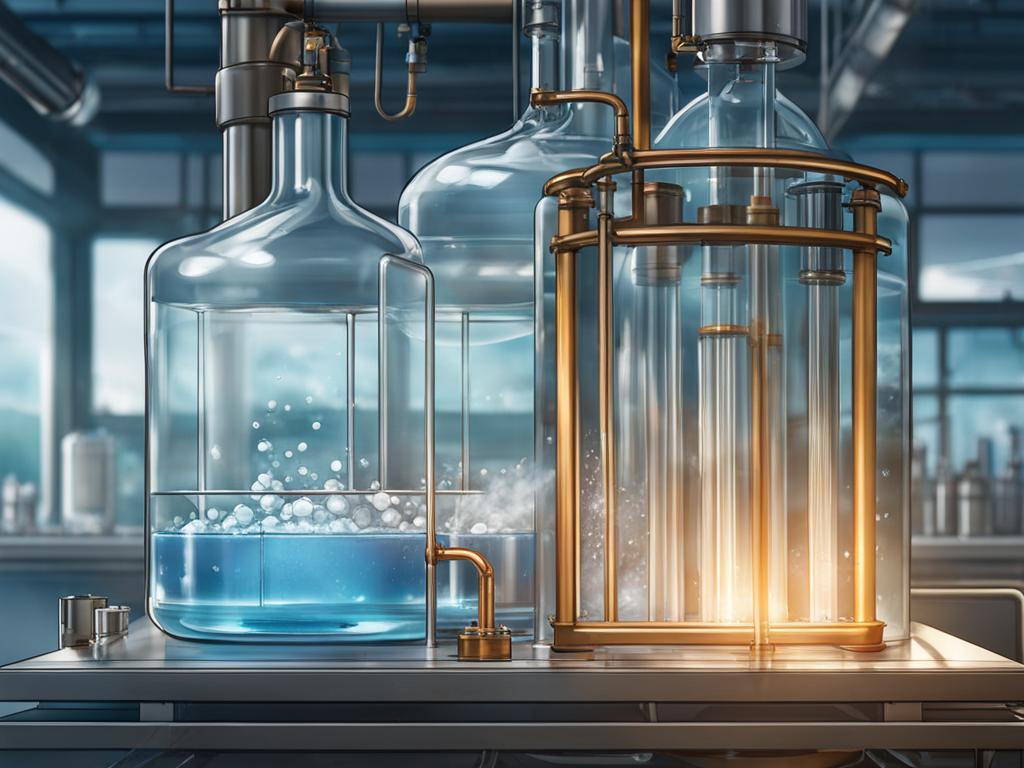
When you pick up a bottle of water labeled as purified water, you may be curious about the treatment methods it has undergone. Purification is a broad term that often encompasses a variety of processes like reverse osmosis, charcoal filtering, and notably, the distillation process. The Food and Drug Administration (FDA) specifically recognizes distilled water as a type of purified water, ensuring that it meets certain purity standards before it reaches your hands.
But what exactly sets distilled bottled water apart from your typical tap water? Unlike the municipal water filtration systems, which provide the untreated tap water flowing from your home faucets, bottled water companies often utilize a more rigorous method of purification to target a vast array of potential contaminants.
Primarily, distillation involves boiling the water and then condensing the steam back into a liquid to remove impurities and minerals. This meticulous filtration method is what earns the water its title as distilled and purified. Companies like Dasani and Aquafina typically source their water from municipal taps, further treating it to enhance purity—indicated by their adherence to FDA purification guidelines. Here is a breakdown of how purified bottled water compares to municipal tap water:
| Purification Process | Purified Bottle Water | Municipal Tap Water |
|---|---|---|
| Source | Often derived from municipal sources | Captured from surface or groundwater |
| Distillation | Common in comprehensive treatments | Rarely involved |
| Filtration Methods | Includes reverse osmosis, charcoal filtering, etc. | Basic treatments such as flocculation or sedimentation |
| Standards Met | FDA guidelines for purified water | EPA drinking water standards |
Understanding whether your bottled water has undergone distillation can be as simple as reading the label or researching the brand’s purification methods. It’s not just about quenching your thirst—it’s about making a conscious choice for your health and safety. Remember, if you’re looking for highly purified water, seeking out brands that use the distillation process can offer you that extra peace of mind.
Beyond the Label: Uncovering the Source of Bottled Water
When you pick up a bottle of water, the label might not reveal the full story of its origins. Despite regulations promoting brand transparency in bottled water labeling, the terms ‘purified’ and ‘distilled’ often leave much to be understood about the sources of bottled water. Let’s delve into what these labels really indicate and shed light on the practices of popular brands.
The Truth Behind “Purified” and “Distilled” Terms
Understanding the terminology used on bottled water labels is crucial. ‘Purified’ water typically refers to water from any source that has been processed to remove chemicals and contaminants, often through methods like reverse osmosis or distillation. On the other hand, ‘distilled’ water has undergone a specific process where it is boiled and re-condensed, effectively stripping it of all impurities and minerals. This transparency gives you, the consumer, the power to choose water that suits your taste and health preferences.
Investigating Popular Brands: Dasani, Aquafina, and Store Brands
Not all brands are as transparent as we’d hope. Some use municipal water sources but are not forthcoming with this information. However, you can be assured that even if a brand starts with municipal water, by the time it reaches your hands, it’s been through meticulous filtration processes. For example:
Dasani states that their water is filtered for pure taste, and Aquafina boasts of their hydro-7 purification process, ensuring high purity levels.
And some store brands follow suit, offering economic options without compromising on safety standards. But if you’re looking for naturally sourced water, brands like Ice Mountain openly state they draw from springs, embracing brand transparency to build consumer trust.
| Brand | Source Type | Filtration Process | Transparency Level |
|---|---|---|---|
| Dasani | Municipal | Reverse Osmosis | Medium |
| Aquafina | Municipal | Hydro-7 Purification | Medium |
| Ice Mountain | Spring | UV, Micron Filtration | High |
| Store Brands | Municipal/Varies | Varies | Low to Medium |
In your quest for the right bottled water choice, consider both the purity of the product and the honesty of the brand. Whether it’s the clear labels of Ice Mountain, the scientifically advanced filtration of Aquafina, or the sheer availability of store brands, being an informed consumer is the first step to healthy hydration. Remember, behind every label lies a source, and it’s your right to know where your water comes from.
Enhanced vs. Mineral Water: Knowing the Difference
When it comes to staying hydrated, you might have noticed the vast variety of bottled waters available on the market. Two popular types – enhanced water and mineral water – offer different benefits, and understanding these can help you make an informed decision on what’s best for your health and lifestyle. The U.S. Food and Drug Administration (FDA) plays a pivotal role in regulating and setting standards for these water types to ensure safety for consumption.
Enhanced water, often recommended for its enhanced water benefits, is essentially fortified with additional nutrients. Brands like Glaceau’s Smartwater and Gatorade’s Propel, start with either purified or spring water and boost it with vitamins, minerals, or even flavors meant to support overall health and wellness. On the flip side, mineral water stands out for its mineral water content; it’s packed with naturally occurring minerals and trace elements that it collects as it moves through underground reservoirs.
| Water Type | Definition | Key Components | FDA Standards |
|---|---|---|---|
| Enhanced Water | Water with added nutritional elements | Vitamins, minerals, flavorings | Must be safe for consumption and clearly labeled |
| Mineral Water | Naturally occurring water with a consistent mineral profile | Calcium, magnesium, potassium | Cannot have minerals added after collection |
It’s vital when selecting your bottled water to check the labels closely. Not only does the FDA enforce FDA standards for water to ensure public safety, but these labels can also guide you towards understanding the nutrient profile you’re consuming. Whether you’re looking for a quick nutrient boost or the distinct taste that natural minerals provide, your choice between enhanced and mineral water will significantly impact your drinking experience.
The Debate on Health Benefits: Is Bottled Better Than Tap?
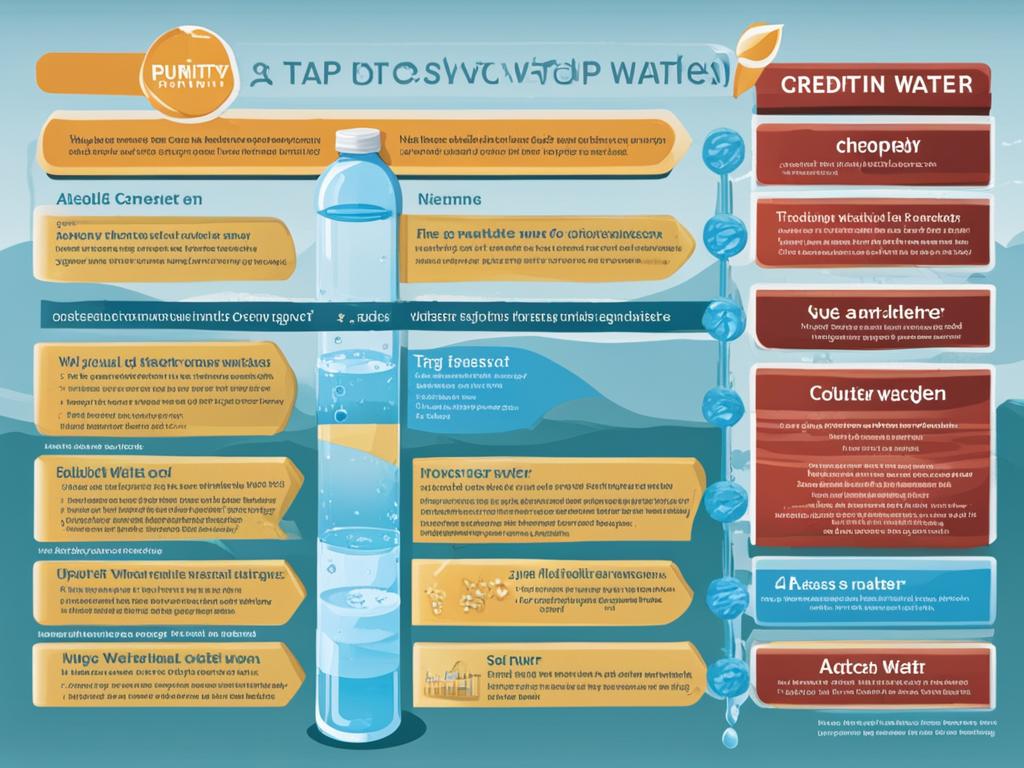
When you reach for that bottle of water, have you ever paused to consider whether it’s the healthiest option? The conversation around bottled water health benefits compared to tap water safety is ongoing, with valid points presented by both sides. Let’s delve into this discourse and uncover what makes each option unique, and perhaps, which one is right for you.
Tapped Documentary Bias and Facts About Drinking Water
The documentary “Tapped” sparked a lot of discussion around the safety and ethics of bottled water. However, it’s important to approach such poignant content with a critical mind. While the film highlights concerns with bottling practices and raises questions about industry regulations, it’s also essential to consider the advancements in water treatment methods and adherence to safety standards that bottled water manufacturers must meet.
The Role of Taste and Purity Preferences
Your preference for bottled or tap water could boil down to taste and perceived purity. Bottled water often goes through distillation or reverse osmosis, appealing to those who favor purity. On the contrary, some people prefer tap water as it retains essential minerals and might taste better because of them. Understanding and weighing these factors are critical in the bottled versus tap water debate.
Remember, the choice between bottled and tap water may not always be clear cut, and your decision should hinge on a variety of health, safety, and personal preference considerations. By being informed about the bottled water health benefits and tap water safety, you’re better equipped to make the choice that suits your lifestyle and values.
Emergency Situations and the Reliance on Bottled Water
When a natural disaster strikes or a contaminant warning is issued, what’s your immediate source of safe drinking water? For many, emergency bottled water supply becomes the lifeline. In these tense moments, you’ll notice municipal water crises pushing communities to turn to pre-packaged H2O as their primary option for water safety. It’s a quick solution in times of uncertainty, but the logistics behind choosing the right bottled water can be as complex as the emergency itself.
Imagine your entire city needing clean water immediately—how do you tackle such a massive demand? Selecting which brand to distribute isn’t just about picking any water off the shelf. Factors like availability, cost-effectiveness, and the speed of delivery come into play. Consider the dynamics that go into making these split-second decisions for public health and safety.
- **Assessing Speed of Access**: In crisis mode, how rapidly can a water brand fill a bulk order?
- **Assessing Storage and Portability**: Can the water be stored and distributed efficiently?
- **Evaluating Cost**: The fiscal responsibility falls on municipal shoulders—how will this affect the local economy?
The behind-the-scenes effort to provide an emergency bottled water supply is enormous and often unseen. Emergency preparedness teams weigh these concerns against the clock to ensure no one goes thirsty. The complexity reinforces the necessity of bottled water in safeguarding against unforeseen water crises.
Citizens depend on their local leaders to make the right call in short notice—ensuring every family, hospital, and shelter gets the water they need.
While it’s a temporary stopgap during a municipal water crisis, it’s a stark reminder of bottled water’s significant role in water safety. The next time you see a crate of bottled water, remember that it’s not just a commodity but, in some cases, a critical emergency resource.
The Environmental and Economic Costs of Bottled Water
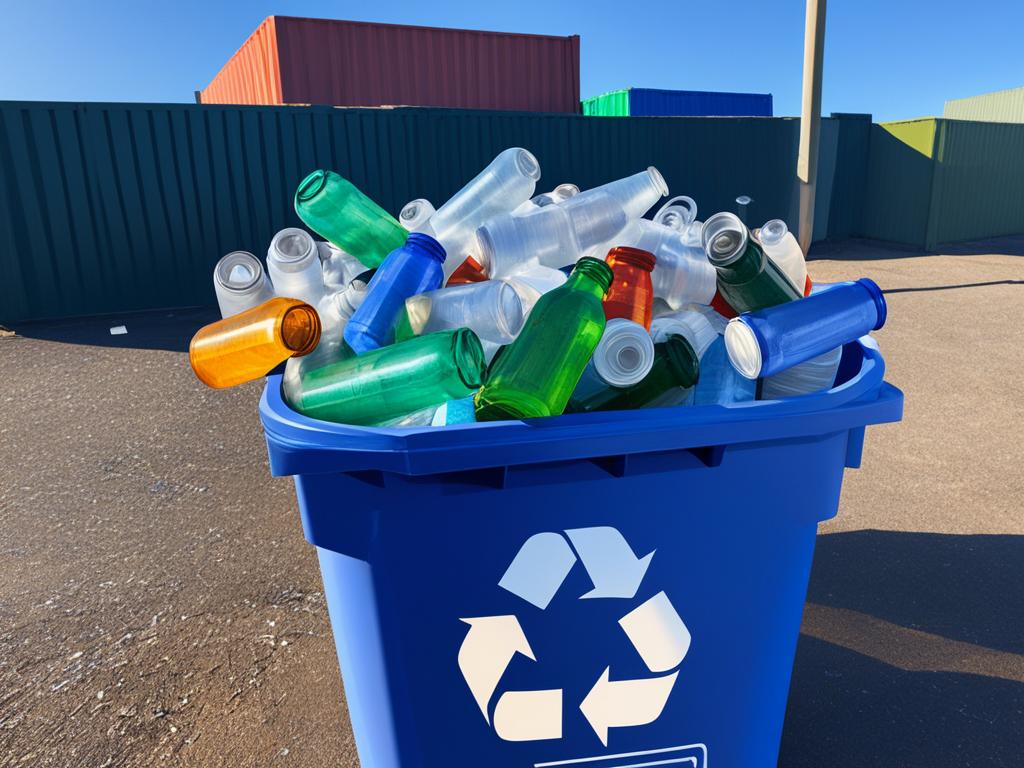
While bottled water offers convenience and in some cases, improved purity over tap water, its environmental and financial toll cannot be ignored. As you reach for that plastic bottle of water, consider the wide-reaching impacts of this choice, not just on your wallet, but also on our planet.
Plastic Waste and Recycling Challenges
The production of bottled water is a significant contributor to environmental degradation. Millions of tons of plastic are manufactured every year, and a staggering amount of this ends up as waste sitting in landfills. This is largely because plastic bottle recycling is not as straightforward as one might hope—technical, economical, and behavioral challenges all contribute to suboptimal recycling rates. Even after decades of campaigns and initiatives, we continue to see vast quantities of plastic evading the recycling process and harming our environment.
Comparing Costs: Bottled Water vs. Tap
From an economic standpoint, the cost disparities between bottled water and tap water are equally profound. Bottled water can cost up to 2000 times more than tap water—yet often, they may both originate from the same municipal sources. The sheer difference in expenditure can certainly raise questions about water affordability, especially when considering that tap water in most areas meets high safety standards and is subjected to stringent testing.
Increased recycling rates and the adoption of alternatives such as glass or biodegradable bottles may alleviate some of the environmental impact of bottled water. Meanwhile, being mindful of our water choices can lead to more sustainable consumption habits.
To tackle these issues, we must not only enhance our recycling infrastructure but also consider the broader societal implications. We can drive change towards more sustainable practices that offer both environmental protection and maintain water affordability for all.
Conclusion
In the vast landscape of the bottled water market, deciphering whether water has been distilled is not just a matter of reading labels—it’s about becoming attuned to the nuances behind those labels. Through a deeper understanding of the sources and treatments such as distillation, you are positioned to make informed choices that benefit not only your health but also the environment. The journey towards smart water consumption is paved with knowledge about the processes your water undergoes before it reaches your lips.
Embarking on this journey encourages a more rigorous examination of what you consume and the wider implications of those choices. Whether your priorities lie with the purity of the water, the sustainable water practices of the providing company, or the necessity due to local water quality issues, your decisions carry weight. You hold the power to advocate for quality, push for transparency, and support responsible stewardship of our planet’s precious resources.
Ultimately, embracing an eco-conscious mindset does not only sharpen your consumer awareness but also contributes to a greener future. Each decision to choose or forgo bottled water, especially distilled, in favor of environmentally friendlier options, is a step towards reducing waste and preserving natural ecosystems. Your conscious consumption, empowered by knowledge and aided by consideration for the world around you, resonates with a global call for enduring change. So, heed the call, uphold your values, and tread lightly on the earth with every sip you take.
FAQ
Is all bottled water distilled?
No, all bottled water is not distilled. The term “distilled” refers to a specific purification process. While some bottled water is distilled, there are various types of bottled water available, such as spring, purified (which can include distilled), and enhanced water.
How can I tell if bottled water is distilled?
To determine if bottled water is distilled, check the label. Brands that use distillation will typically state “distilled water” or have information indicating it has been distilled as part of the purification process.
What are the different types of bottled water available in the market?
The market offers a range of bottled water types including spring water, which is collected from natural springs; purified water, which has undergone processes like reverse osmosis or distillation; and enhanced water, which includes added nutrients or flavors. Mineral water is also available, which naturally contains minerals.
What regulations do bottled water producers have to follow?
Bottled water producers have to comply with regulations set by entities such as the U.S. Food and Drug Administration (FDA), the U.S. Department of Agriculture (USDA), and various state agencies. These regulations cover everything from the source of the water to the purification processes and labeling standards.
Why might I choose bottled water over tap water?
There are several reasons why you might opt for bottled water over tap water, including taste preference, potential health benefits due to additional purification methods like reverse osmosis or distillation, and convenience, especially during travel or emergencies when tap water may not be available or safe.
Are there environmental concerns associated with bottled water?
Yes, the production of bottled water has significant environmental impacts, including the use of vast amounts of plastic, which often ends up in landfills, and the resources used to produce and transport it. The industry is looking into increased recycling efforts and alternative packaging solutions.
How do enhanced waters differ from regular bottled water?
Enhanced waters are regular bottled waters, either spring or purified, to which nutrients, electrolytes, or flavors have been added. These are different from mineral waters, which naturally contain minerals and are not allowed to have minerals added post-harvest per FDA standards.
In emergencies, how do municipalities choose which bottled water to supply?
During emergencies, municipalities typically select bottled water based on availability, price, and the necessity for rapid acquisition. They may purchase large quantities of bottled water to ensure the public has access to safe drinking water in situations where the tap water supply is compromised.
Leave a Reply
You must be logged in to post a comment.