

Keeping your body adequately hydrated is one of the simplest yet most effective ways of ensuring your health and well-being. With optimal water intake, you enable your body to perform at its best, from flushing out toxins to maintaining alertness. While you might often hear about the need for daily hydration, it’s essential to understand that water consumption recommendations can vary based on various individual factors such as your lifestyle and climate.
Getting to grips with the amount of water you should drink can seem daunting, but with the right information, it’s a breeze. You’re probably familiar with the ‘eight glasses a day’ mantra, but let’s dive into what science says about your body’s true hydration needs. Strap in, because your journey to understanding hydration is about to get clear as water.
Key Takeaways
- Optimal water intake is pivotal for maintaining a balance of bodily fluids involved in digestion, absorption, and even body temperature regulation.
- Hydration needs are individualized; what works for others may not be the best for your body’s unique requirements.
- Consider widely accepted recommendations as a baseline and adjust your fluid consumption based on your activity levels, environment, and health status.
- Remember, not all your fluid intake comes from drinking water—food and other beverages contribute to your daily hydration.
- Listen to your body’s signals, such as thirst and urine color, to make sure you’re on track with your hydration.
Understanding Your Body’s Hydration Needs
Water’s importance in your daily life extends far beyond simply quenching your thirst. It’s a vital element directly connected to the proper functioning of your bodily systems. Hydration science teaches us that maintaining an equilibrium of fluids is not just beneficial; it’s essential for health and vitality. Recognizing your personal hydration needs is a key step towards optimizing your well-being.
The Role of Water in Your Body
Your body’s hydration status has a profound impact on your daily functions. Every single cell, tissue, and organ relies on water to work efficiently. From the lubrication of your joints to maintaining the stability of your body temperature, hydration plays a multifaceted role in your overall health.
Facts on Dehydration and Its Impact on Health
Dehydration occurs when your body loses more water than it takes in, which can lead to an array of negative symptoms. Feeling tired, experiencing headaches, and a decline in your cognitive and physical performance are just some of the immediate impacts. Without prompt rehydration, dehydration can become a serious health issue, especially in extreme conditions or during vigorous exercise.
Assessing Individual Hydration Requirements
Understanding that personal hydration needs can vary, it’s important to learn to read the signs your body is communicating. Thirst and urine color are practical indicators; clear or light yellow urine and rarely feeling excessively thirsty suggest adequate hydration levels. Conversely, if you’re noticing darker urine or an increased thirst, it might be time to reach for a glass of water.
Your hydration strategy should adjust based on unique factors such as your level of physical activity, environmental climate, and overall health status. Instead of adhering to generic guidelines, consider seeking professional advice to determine a hydration plan tailored to your lifestyle and needs.
The Science Behind ‘Eight Glasses a Day’
While the mantra of drinking eight glasses of water per day is deeply ingrained in public consciousness, the science behind this hydration guideline is not quite so black and white. This phrase has become a foundational piece of health advice, but the origins and applicability of this ‘daily water intake myth’ may surprise you.
Origin of the Eight-Glass Recommendation
The concept of consuming a day supply of water emerged from rudimentary interpretations of research, further propagated by the media and health advocates. It was not a prescription but rather a simplification of the nuanced requirements of adequate fluid intake that can fluctuate greatly from person to person. However, the guideline has, for better or worse, served as a catalyzing force to encourage more people to think about their daily water consumption.
Why This Estimate May Not Suit Everyone
The one-size-fits-all approach of the eight glasses a day rule may not align with the more personalized hydration guidelines that exist in the spectrum of individual health needs. Factors such as age, weight, activity level, and environmental conditions dramatically affect how much water you should be drinking, thus puncturing the daily water intake myth. The following table outlines how the eight-glass rule could diverge from actual requirements.
| Factor | Less Than Eight Glasses | More Than Eight Glasses |
|---|---|---|
| Body Weight | Smaller individuals | Heavier individuals |
| Activity Level | Sedentary lifestyle | High-intensity athletes |
| Environment | Cooler climates | Hotter climates |
| Health Conditions | Without specific needs | Pregnancy, illness |
Understanding the nuances behind these recommendations will enable you to tailor your water intake for optimal hydration, busting the myth that there’s a universal quantity suitable for everyone. Your body’s own signals, such as thirst and the color of your urine, are crucial indicators that can guide you towards achieving an adequate fluid intake specific to your needs.
How Physical Activity Influences Hydration

When you dive into an intense workout, it’s not just energy you’re burning; you’re also experiencing significant fluid loss during workouts. This is because physical activity increases your body temperature, and in turn, your body sweats to cool down. The trick is not just to stay hydrated but to understand the importance of exercise hydration in your fitness routine. Staying properly hydrated can be the difference between hitting that last set and falling short due to fatigue or even heat-related illnesses.
Let’s talk numbers for a moment. The American College of Sports Medicine has laid out clear guidelines to help you manage hydration: For every 30 minutes you push through a treadmill sprint or lift weights, it’s wise to consume an additional 12 ounces of water. It’s not just about drinking water; it’s about replenishing water after sports or exercise to recover the water your body has lost through sweat and effort.
Sweat rates can vary from person to person, and factors like heat and humidity can exacerbate fluid loss during workouts. Extreme conditions require you to be even more vigilant. Here’s a quick reference to help you stay on top of your hydration game:
| Exercise Duration | Additional Fluid (Oz) | Hot/Humid Conditions |
|---|---|---|
| 30 Minutes | 12 Oz | 16 Oz |
| 60 Minutes | 24 Oz | 32 Oz |
| 90 Minutes | 36 Oz | 48 Oz |
Remember, thirst is not the best indicator that you’re dehydrated; it’s a sign you’re already there. So, before you think you need it, exercise hydration should have already begun. Keeping your body topped up with fluids ensures that every part of you is working optimally, from your muscles to your mind. Don’t let dehydration dictate your performance; stay ahead with smart hydration strategies that support your enthusiasm for fitness.
How Much Water Should You Drink a Day

Understanding your daily fluid intake is akin to mastering a personalized hydration strategy. This vital aspect of your health is influenced by more than just the thirst you feel—it’s shaped by the exercise you do, the environments you inhabit, and the natural progression of life stages you navigate. Let’s dive into how these factors interplay with your hydration needs.
Adjusting Water Intake Based on Exercise and Environment
Have you ever wondered how a sunny day or a strenuous workout changes your water requirements? Environmental factors on hydration such as temperature, humidity, and altitude can increase the need for fluids. For those who love their cardio or strength sessions, water becomes not just a refreshment but a necessity. Add an extra glass for every 20 minutes of sweat-breaking effort to compensate for the loss.
Hydration Needs for Different Life Stages
Your age defines more than just the number of candles on your birthday cake—it plays a pivotal role in determining your hydration needs. Each life stage hydration plan differs: what a toddler needs is not the same as the needs of an active teenager, a pregnant person, or an elderly individual. The young ones and the wise ones, and everyone in between–all require a tailored approach to water consumption.
| Life Stage | Daily Fluid Intake | Notes |
|---|---|---|
| Children 4-8 years | About 4-5 cups | Activity level and climate can demand higher intake. |
| Children 9-13 years | 7-8 cups | During growth spurts, increased intake can support development. |
| Teenagers 14-18 years | 8-11 cups | Sports or high activity levels may require additional hydration. |
| Adults | Men: ~13 cups; Women: ~9 cups | Vary with conditions such as pregnancy or breastfeeding. |
| Pregnant Women | At least 10 cups | Supports amniotic fluid and increases blood volume. |
| Breastfeeding Women | At least 12 cups | Essential for milk production and maternal hydration. |
These guidelines, as suggested by the Institute of Medicine (IOM), serve as a compass to navigate the fluid terrain of our lives. Listen to your body, and adjust as you climb the altitude of age or sprint through the hurdles of fitness. Your hydration is personal—tailor it as you live, move, and grow.
Hydration for Specific Health Conditions

Staying hydrated is crucial for everyone, but for those with specific health conditions, or during certain life stages like pregnancy or illness, it becomes even more imperative. Ensure that your fluid intake meets the increased demands of your body to promote recovery and maintain overall health.
How Pregnancy and Breast-Feeding Affect Hydration
Did you know that hydration during pregnancy is vital not only for you but also for the healthy development of your unborn child? Your body needs extra fluids to support the increased blood volume and to help with the development of the amniotic fluid. When breastfeeding, the need for increased hydration continues, as your body uses additional fluids to produce breast milk. The standard advice is to aim for an additional 24 to 32 ounces per day during these times.
Addressing Hydration with Illness or Disease
Various health conditions also impact your hydration needs. Common illnesses such as cold and flu can lead to dehydration through increased fluid loss from fever or sweating. Chronic conditions like kidney stones or bladder infections also necessitate an increased fluid intake. Listen to your body and seek medical advice if you’re in one of these situations, and consider the use of oral rehydration solutions as part of your recovery regimen.
| Condition | Additional Daily Fluid Needs (ounces) | Notes |
|---|---|---|
| Pregnancy | 24-32 | Supports blood volume and amniotic fluid |
| Breastfeeding | 24-32 | Needed for breast milk production |
| Fever, Vomiting, Diarrhea | Consult a doctor | Fluid loss varies by severity and duration |
| Kidney Stones, Bladder Infections | Consult a doctor | Increased water helps flush the urinary system |
Take special care of your hydration if you’re dealing with any health conditions, and adjust your hydration needs accordingly. Proper hydration is key to your wellbeing, supporting recovery processes, and keeping your body functioning optimally.
Can You Drink Too Much Water?
While it’s well-understood that staying hydrated is crucial for your health, there’s a lesser-known flip side to your water consumption habits: overhydration. More than just an inconvenience, drinking an excessive amount of water can lead to a condition called hyponatremia, which is characterized by low sodium levels in the blood causing cellular swelling. This condition, often termed water intoxication, can have serious and even fatal consequences. It’s important to recognize the balance in water intake and be aware of water intoxication symptoms such as headaches, confusion, nausea, and vomiting.
Endurance athletes are at a heightened risk for overhydration as they may consume large amounts of water, trying to avoid dehydration during long-lasting physical activities. However, simply listening to your body’s thirst signals and not overriding them with excessive water intake can be key to avoiding this dangerous condition.
| Symptom | Description | Severity |
|---|---|---|
| Confusion | A state of disorientation and difficulty in understanding surroundings or situations. | Mild to Severe |
| Nausea | A feeling of sickness with an inclination to vomit, often a precursor to vomiting. | Mild |
| Vomiting | The involuntary, forceful expulsion of the contents of one’s stomach through the mouth. | Moderate to Severe |
| Headache | Pain in the head, which can be a sign of brain swelling from water intoxication. | Mild to Moderate |
Remember, the goal is to maintain a state of optimal hydration without slipping into overhydration. If you feel confused or notice other symptoms after drinking large quantities of water, it’s imperative to seek medical attention. Being cognizant of the signs of water intoxication and understanding your true hydration needs can prevent hyponatremia and keep you safe and healthy.
Alternative Sources of Hydration
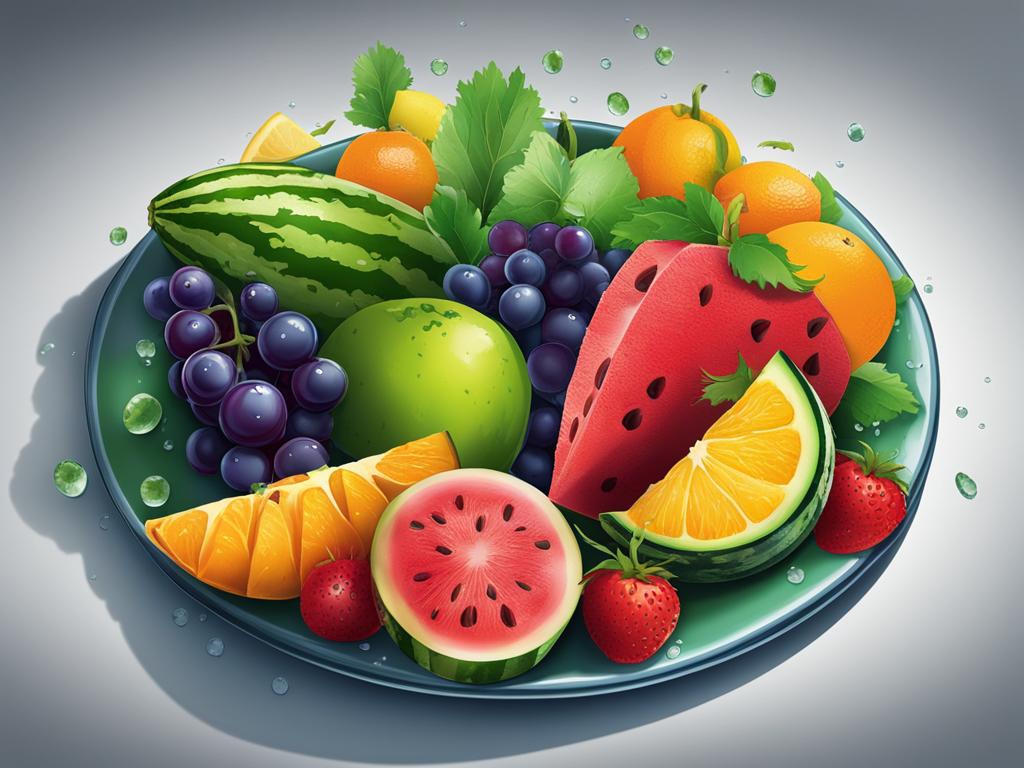
While reaching for a glass of water might be your go-to for staying hydrated, you might be surprised to learn that hydration can also come from the foods you eat and other beverages you drink. This diversified approach to hydration not only satisfies your thirst but also enriches your body with a variety of nutrients and flavors.
Role of Food in Daily Hydration
Ever thought your dinner could help meet your water intake goals? Certain foods are excellent sources of hydration. High water content foods contribute significantly to your hydration status, making a refreshing difference to how your body feels and functions. Here’s a tip: incorporate more fruits and vegetables like cucumbers, lettuce, and watermelon into your meals to effortlessly boost your daily fluid intake.
Impact of Caffeinated and Sugary Drinks
But beware, not all drinks hydrate equally. Caffeinated beverages, while favorite wake-up calls for many, come with a mild diuretic effect that might lead to increased urine production. In the case of sugary beverages, these can often prompt your body to lose fluids. It’s crucial to consider the balance—enjoy your cup of joe but remember to compensate with water throughout the day.
| Drink Choices | Hydration Level | Caffeine Content (approx.) | Sugar Content (approx.) |
|---|---|---|---|
| Watermelon | High | 0mg | 6g per 100g |
| Cucumber | High | 0mg | 1.7g per 100g |
| Coffee | Moderate* | 95mg per 8oz | Varies by preparation |
| Soda | Low** | 22mg per 8oz | 39g per 12oz |
* While coffee hydrates, its diuretic properties may lead to increased fluid loss.
** Sodas provide fluids but the high sugar content and other additives may negatively impact overall hydration.
Choosing your beverages wisely is about staying informed and listening to your body. Embrace hydration from food and remember, moderation is key when indulging in caffeinated or sugary drinks.
Monitoring Your Hydration Levels

Keeping an eye on your body’s hydration status is fundamental to staving off dehydration. It’s as simple as noting the color of your urine and acknowledging your thirst. If your urine color chart skews towards colorless or pale yellow, it’s a good sign that your fluid intake is on track. On the flip side, if you observe that your urine is persistently dark, or you’re frequently battling headaches and feeling dizzy, these could all be signs of dehydration signaling that your body craves more water.
Here’s a quick reference table you can use to gauge your hydration levels based on urine color:
| Urine Color | Hydration Level | Recommended Action |
|---|---|---|
| Clear to Light Yellow | Well-Hydrated | Maintain current water intake |
| Dark Yellow | Normal but Approaching Dehydration | Increase water intake |
| Amber or Honey | Dehydrated | Drink water promptly |
| Brown Ale | Severely Dehydrated or Liver Disease | Seek medical attention |
Don’t wait until you’re feeling thirsty before you reach for a glass of water. Thirst is often a late hydration indicator. To stay ahead, integrate pre-hydration into your routine, especially before engaging in exercise, heading out into the heat, or if you’ll be without easy access to water for an extended period. Your body will thank you for your proactive efforts!
Conclusion
Embracing healthy hydration practices is more than a mere routine; it’s a commitment to sustaining your body’s complex systems. Recognize that while ‘eight glasses a day’ offers a baseline, adequate hydration should be personalized to fit your lifestyle and environment. Factors such as your level of physical exertion, the local climate, and specific life phases dictate a tailored approach to water consumption habits. It’s all about finding a balance that works for your body and your life.
Incorporating water-rich foods into your diet and opting for hydrating drinks over those high in sugar or caffeine can significantly contribute to your hydration levels. Keep in mind, the quality of what you drink is just as important as the quantity. Monitoring your hydration can be as simple as noting the color of your urine or being aware of how often you feel thirsty. These signs are your body’s way of communicating its needs, so pay attention to them.
Ultimately, understanding and responding to your unique hydration needs is essential for maintaining good health. Cultivate water consumption habits that align with your individual requirements and listen to your body’s cues to ensure **adequate hydration**. By doing so, you nurture a foundation for vitality and wellbeing. Stay refreshed, stay aware, and keep your body thriving with every sip you take.
FAQ
What is the role of water in my body?
Water is a critical component for every cell, tissue, and organ. It enables essential functions such as waste removal, regulation of body temperature, and joint lubrication, making up 50% to 70% of your body weight.
How much water should I drink each day?
The U.S. National Academies of Sciences, Engineering, and Medicine suggest about 15.5 cups (3.7 liters) for men and 11.5 cups (2.7 liters) for women from all fluid sources, but needs can vary based on factors like activity levels and environmental conditions.
How can I tell if I’m dehydrated?
Dehydration signs include darker urine, headaches, dizziness, and tiredness. Monitoring your body’s signals like thirst and urine color can help determine if your intake is adequate.
Where did the ‘eight glasses a day’ recommendation originate?
The eight-glass guideline is a general target for adequate daily fluid intake, an easy-to-remember rule that might not suit everyone’s individual hydration needs.
Does physical activity affect how much water I need?
Yes, physical activity increases fluid loss through sweat. It’s advised to drink more water before, during, and after exercise, with recommendations like 12 ounces for every 30 minutes of exercise from the American College of Sports Medicine.
How do environmental factors influence my daily water intake?
High temperatures, humidity, high altitudes, and other environmental factors can increase your hydration needs, so it’s important to adjust your water consumption accordingly.
What are the hydration needs during pregnancy and breastfeeding?
Pregnant and breastfeeding individuals need to increase their fluid intake by 24 to 32 ounces a day to support maternal and fetal health, as well as lactation.
How can certain health conditions affect my hydration?
Illnesses that cause increased fluid loss, such as fever, vomiting, or diarrhea, and conditions like bladder infections or kidney stones, require increased water consumption. Consult with health professionals for specific guidance.
Is it possible to drink too much water?
Absolutely. Overhydration or hyponatremia occurs when you consume more water than your kidneys can excrete, leading to a dangerous dilution of blood sodium levels. Balance is key to avoiding these risks.
Besides water, what are other sources of hydration?
Foods with high water content, such as cucumbers, lettuce, and watermelon, contribute to your daily hydration. It’s important to be mindful of the hydrating value of other beverages, especially since drinks like coffee and alcohol may lead to fluid loss.
How do I monitor my body’s hydration levels?
Keep an eye on indicators like your thirst level and urine color. Rarely feeling thirsty and having light yellow urine generally means you’re well-hydrated, while persistent thirst and dark urine are warning signs of dehydration.
Can lifestyle changes affect my hydration needs?
Yes, changes such as taking up more exercise, moving to a hotter climate, or entering stages like pregnancy or breastfeeding can influence your hydration needs, making it essential to adapt your water intake.
Leave a Reply
You must be logged in to post a comment.