
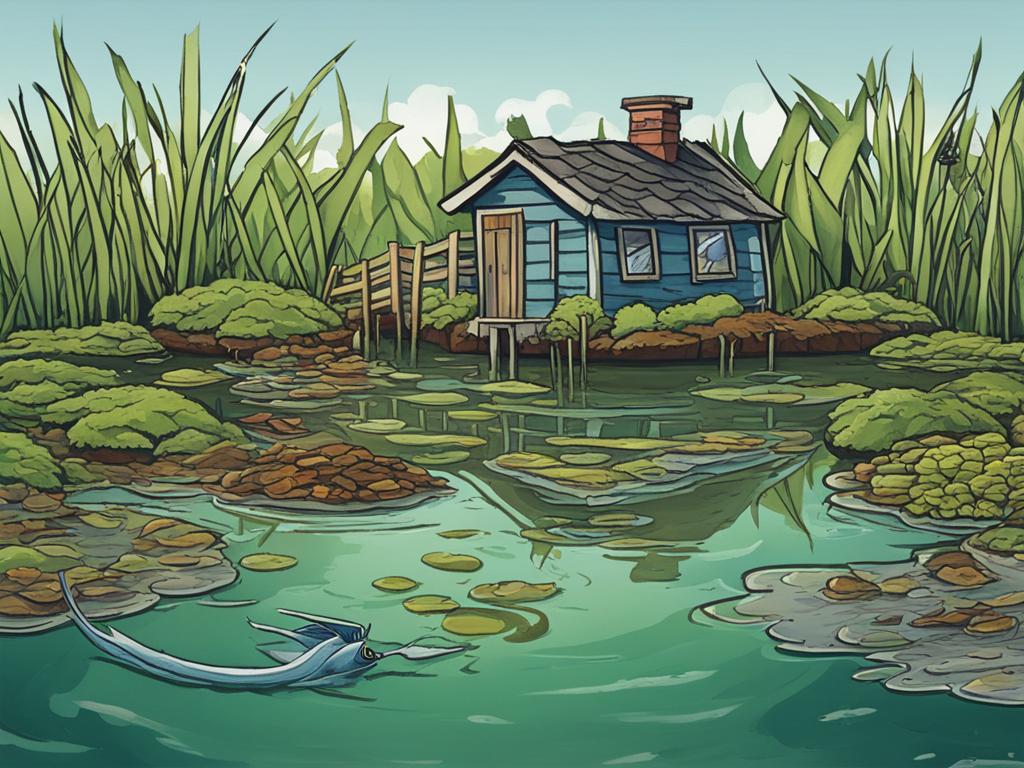
When you turn on your faucet, you expect clean, safe water to flow out, but for many, this isn’t the reality. Water contamination is a silent crisis unfolding in our aquatic ecosystems, with profound environmental impact and health hazards you should be acutely aware of. The majestic rivers, serene lakes, and vast oceans that you love are under threat from pollutants that upset the delicate balance of nature, proving that pollution prevention is not just necessary but vital for our survival.
From the shrinking streams in rural landscapes to the sprawling seas, the pollutants that mar these waters are manifold. Water pollution, the stealthy invader in our environment, impacts not just the health of our aquatic friends but yours as well, making it a subject you can’t afford to ignore.
Key Takeaways
- Understand that water contamination poses serious risks to both human health and the environment.
- Acknowledge the need for protecting aquatic ecosystems from further degradation due to pollution.
- Recognize that pollution prevention requires a concerted effort by individuals and communities.
- Grasp the environmental impact of polluted water sources on wildlife and natural habitats.
- Become aware of the health hazards associated with the consumption and recreational use of contaminated water.
Defining the Basics of Water Pollution
When you think about water pollution, what comes to mind might be murky rivers or oil-slicked oceans. However, it’s a complex issue with various pollutants that disrupt the very essence of aquatic ecosystems. Understanding these pollutants is key to grasping the scope of the problem.
What Qualifies as Water Pollution?
Water pollution occurs when harmful substances, such as toxic waste and oil spills, find their way into water bodies. This can lead to an array of negative outcomes, including the disturbance of natural aquatic environments. When pollutants enter the water, they can create hazardous conditions for both wildlife and humans alike.
The Range of Pollutants in Our Water
The variety of pollutants tainting our water systems is vast. Everything from pathogenic microorganisms to chemical fertilizers falls under this umbrella, causing not only disruption to aquatic ecosystems but also posing serious health risks to the population. Let’s explore some of the typical pollutants:
- Toxic Waste: Industrial byproducts that can be lethal to living organisms.
- Oil Spills: Crude or refined petroleum that has been discharged into the environment.
- Pathogenic Microorganisms: Disease-causing bacteria and viruses from human or animal waste.
- Eutrophication: Excessive rich nutrients, primarily nitrogen and phosphorus, leading to an overgrowth of algae.
Each of these pollutants has the power to drastically shift the balance of aquatic ecosystems, triggering issues like oxygen depletion, which is detrimental to marine life, and creating breeding grounds for pathogenic microorganisms that can cause health outbreaks.
Preventing and mitigating the effects of water pollution necessitates a clear understanding of these pollutants and their impacts. As custodians of this essential resource, it’s our responsibility to safeguard water for future generations to enjoy and rely upon.
The Primary Culprits: Sources of Water Pollution

When discussing water pollution, it’s crucial to understand the different origins of contaminants that compromise our water quality. There are three main Categories of pollution sources you should be aware of: point source contamination, nonpoint source pollution, and transboundary water pollution. Each carries its own set of challenges and impacts, influenced largely by environmental regulations—or at times, the lack thereof.
Analysis of Point Source Pollution
Point source pollution is derived from specific, identifiable locations. It includes pollutants discharged from factories, wastewater treatment plants, and other facilities directly into nearby water bodies. These sources are generally regulated by governmental bodies, who impose discharge limits to minimize the environmental impact. However, infractions and accidents can still occur, leading to harmful contamination events like oil spills and chemical leaks.
Diving into Nonpoint Source Pollution
On the other hand, nonpoint source pollution is more diffuse, emanating from multiple, often untraceable sources. It’s characterized by runoff from agricultural fields laden with pesticides and fertilizers, urban stormwater carrying various pollutants, and sediment erosion. The scattered nature of nonpoint source pollution makes it more challenging to regulate and requires comprehensive land-use planning and community-based interventions.
The Global Challenge of Transboundary Pollution
Lastly, transboundary water pollution is an international issue, as contaminants don’t adhere to political borders. This type of pollution is evident when industrial discharges or catastrophic events in one nation lead to water quality degradation in neighboring countries. Addressing this challenge necessitates a collaborative global approach, with shared environmental regulations and treaties.
| Source Type | Common Pollutants | Regulatory Challenges |
|---|---|---|
| Point Source | Heavy metals, organic compounds, oil | Monitoring and enforcing discharge permits |
| Nonpoint Source | Nutrients, sediment, toxic substances | Land use management and public education |
| Transboundary | Chemical waste, microorganisms, plastic debris | International cooperation and legal agreements |
Understanding the sources and types of water pollution is imperative for crafting effective countermeasures. While point sources can be easier to identify and manage thanks to environmental laws like the Clean Water Act, nonpoint source pollution requires a more comprehensive, community-oriented approach. The complexity further escalates with transboundary pollution, which calls for geopolitical diplomacy and uniform standards across borders. We should all remain vigilant and informed about these sources, as water quality has a profound impact on our ecosystems, health, and livelihoods.
Groundwater Contamination: Understanding the Invisible Crisis

It’s easy to overlook what you can’t see, and this is particularly true for the crisis unfolding beneath our feet. Groundwater, an essential resource hidden away in aquifers, is facing increasing threats that remain invisible to the naked eye until the consequences surface. Ensuring water safety, protecting groundwater quality, and preventing long-term contamination are critical challenges that demand our immediate attention.
Consequences of Groundwater Pollution
When pollutants percolate through the soil and into the aquifers, the negative outcomes are profound. Contaminants such as nitrates, heavy metals, and industrial solvents can persist, creating a scenario where groundwater quality is compromised for generations. The implications for water safety are dire, with the risk of exposing communities to health hazards through the water they drink, cook with, and use for irrigation.
Groundgroundwater Pollution Impact on Communities
The impact on communities relying on aquifers for their water supply is multifaceted. Not only does it affect the health and well-being of individuals, but it also places a burden on local economies. The cost associated with treating or accessing alternative water sources can be substantial, and the hardships extend to agricultural practices that depend on clean groundwater.
| Element of Groundwater Pollution | Immediate Impact | Long-Term Impact |
|---|---|---|
| Chemical Waste | Potable water becomes unfit for consumption | Chronic health issues in affected populations |
| Agricultural Runoff | Surge in nutrient levels leading to well contamination | Continuous ecosystem imbalance and degraded water quality |
| Land Development | Increased sedimentation and turbidity | Decreased aquifer recharge, sustainability concerns |
| Improper Waste Disposal | Local water sources turn hazardous | Long-term contamination, expensive cleanup and health care |
Surface Water Pollution: A Threat to Ecosystems and Human Health

When you turn on your tap for a glass of water, take a moment to consider where it comes from. More than just a convenience, freshwater sources such as rivers, lakes, and streams are vital for our drinking water supply, agriculture, and recreation. Yet, these crucial resources are under siege by an invisible threat: surface water pollution. Studies reflect an alarming trend where nutrient pollution, primarily from agricultural runoff and wastewater, relentlessly infringes upon the aquatic welfare of these bodies of water.
The repercussions of polluted surface waters extend beyond environmental concerns. They directly influence the health of communities, putting at risk the drinking water supply that over half of the US population depends upon. In this section, we’ll dive into the issues, impacts, and data that shed light on the current state of surface water pollution.
| Source of Pollution | Impact on Freshwater Sources | Impact on Aquatic Welfare | Impact on Drinking Water Supply |
|---|---|---|---|
| Agricultural Runoff | Eutrophication, Algal Blooms | Fish Kills, Biodiversity Loss | Increased Treatment Costs, Potential Toxins |
| Municipal Wastewater | Pathogens, Organic Waste | Disease Spread, Habitat Disruption | Contamination Risk, Need for Advanced Purification |
| Industrial Discharge | Toxic Chemical Release | Poisoning of Wildlife, Accumulation in Food Chain | Exposure to Heavy Metals, Health Hazards |
As protectors of our own health and environment, it’s critical to be aware of these factors that compromise our water resources. Reducing nutrient pollution, safeguarding aquatic welfare, and ensuring a clean drinking water supply are not just government responsibilities—these are challenges we must address collectively for the sustainability of our precious freshwater sources.
Ocean Water Pollution: Tackling Marine Debris and Chemicals

Our oceans are vast, covering over 70% of the Earth’s surface, yet they are not immune to human impact. The issue of marine pollution has reached alarming levels and includes a wide range of contaminants such as plastic debris, carbon emissions, and oil spills. These pollutants begin their journey on land but eventually find their way to the marine environment, posing significant threats to ocean health and, consequently, our own.
The Plight of Marine Life Due to Pollution
Marine creatures face a daily barrage of pollutants. Plastic debris, for example, accounts for the majority of man-made waste, with thousands of tons entering the ocean annually. Sea animals mistakenly ingest plastic, mistaking it for food, or become entangled, leading to injuries, suffocation, or drowning. Oil spills, another grim aspect of marine pollution, coat marine species with toxic substances, disrupting their ability to maintain proper body temperature and diminishing their insulating or water-repellant properties.
How Ocean Pollution Affects Human Health
The consequences of ocean pollution extend to affect human health. Oil spills not only harm marine life but also contaminate the seafood that enters the human food chain. Toxic compounds accumulated in seafood can lead to health issues, including neurological damage and reproductive disorders. Additionally, oceans absorb nearly a quarter of the carbon emissions produced by humans, leading to ocean acidification, which in turn affects the food supply and, subsequently, human health.
Understanding and addressing marine pollution is not just an environmental imperative but also crucial to protecting public health and preserving the intricate balance of marine ecosystems.
Exploring the Far-Reaching Impacts of Water Pollution
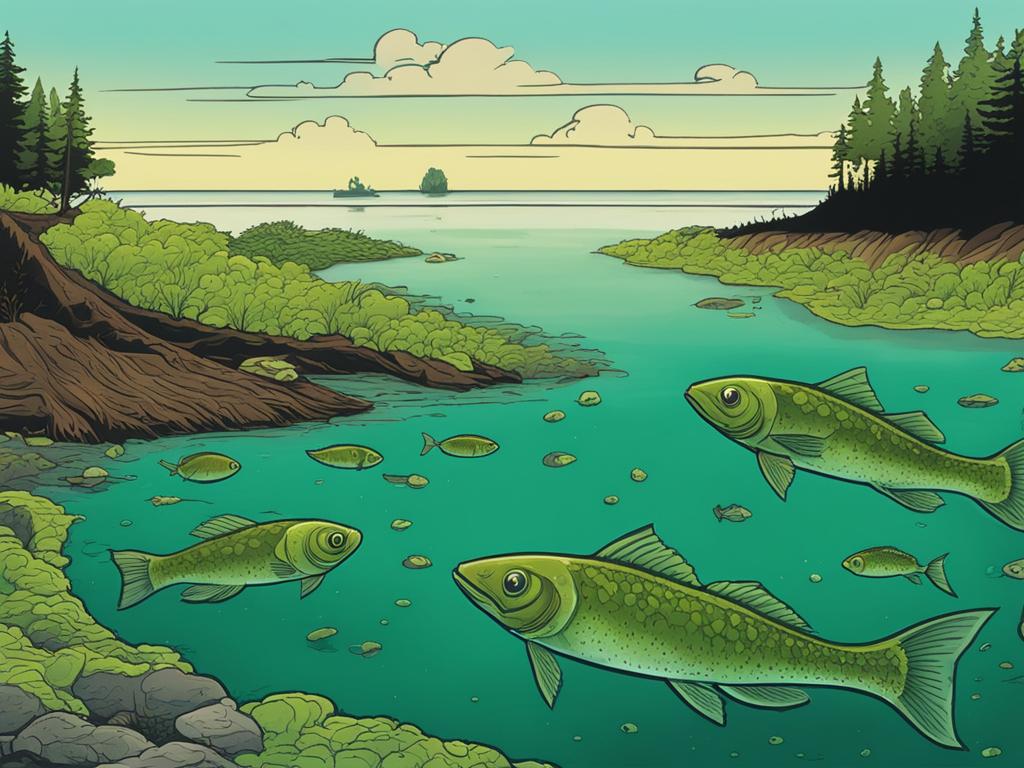
When you turn on your faucet or take a dip in the local lake, you might not immediately think about how water pollution can disrupt ecosystem balance, pose human health risks, or spread waterborne diseases. However, these impacts are significant and far-reaching, and to ensure environmental sustainability, there must be concerted efforts to minimize these adverse effects.
There’s a myriad of ways that water pollution affects not just the environment, but every facet of life. From the smallest plankton to the largest whales, from rural communities to sprawling urban cities—the ripple effects of contaminated water are profound.
- The alteration of habitats due to pollution leads to ecosystem disruption, affecting species diversity and abundance.
- Contaminates in water can lead to serious human health risks such as cancers, developmental disorders, and endocrine disruptions.
- Waterborne diseases like cholera and typhoid fever can spread rapidly in settings without proper sanitation or access to clean water, impacting communities far and wide.
- Addressing water pollution is also crucial to maintaining environmental sustainability, as the health of aquatic environments is intricately linked to the overall health of the planet.
Given these concerns, let’s take a closer look at the effects of pollution on various aspects of our environment and health:
| Ecosystem Element | Impact of Pollution | Consequence |
|---|---|---|
| Aquatic Life | Disruption of food chains | Decline in biodiversity and abundance |
| Human Health | Exposure to toxic substances | Increased incidence of health conditions |
| Waterborne Diseases | Spread in polluted water | Outbreaks that can become pandemics |
| Long-term Sustainability | Depletion of natural resources | Dwindling of water quality and availability |
Understanding the extensive impact of water pollution underscores the imperative for protective regulations, conscientious industry practices, and individual actions that contribute to cleaner, healthier water systems. As stewards of this earth, it’s your responsibility to uphold these principles, ensuring that current and future generations can enjoy the precious resource that is water.
Industrial Wastewater: Navigating Through Toxic Discharges

As you delve into the complexities of water pollution, it’s critical to examine the influence of industrial pollutants on our waterways. Industries play a pivotal role in the health of our water systems as they can be sources of harmful discharges, which require stringent oversight and technological advances to manage effectively. Let’s explore the current state of environmental compliance and the innovative wastewater treatment advancements that are setting new benchmarks in the industry.
Regulations and Industrial Compliance
To combat the risks associated with industrial waste, regulations have been established that set clear expectations for environmental compliance. These regulations dictate permissible levels of hazardous substances in wastewater and compel industries to adopt practices that safeguard the environment. The degree of compliance, however, can differ among companies and sectors, reflecting the ongoing challenge to harmonize industrial practices with environmental priorities.
Improving Industrial Water Treatment Procedures
Recognizing the necessity of progress in wastewater management, industry leaders are making substantial investments in wastewater treatment advancements. These improvements not only aim to meet regulatory demands but also aspire to exceed them, fostering a more sustainable industrial footprint. From cutting-edge filtration systems to biological treatment processes, the dynamism of the sector is evident in the pursuit of cleaner water standards and reduced industrial pollutants.
As you continue to navigate the intricate web of industrial wastewater, remember that the journey towards cleaner water is a shared responsibility. By staying informed and advocating for continued innovation and compliance, you play a part in shaping a future where water pollution is no longer the menace it once was.
Agricultural Runoff: A Leading Contributor to Water Quality Degradation
As you explore the vast terrain of environmental challenges, it becomes evident that the fields stretching across our nation are not just homes to crops but also pivotal players in water quality concerns. Agricultural runoff, carrying a cocktail of fertilizers and pesticides, sweeps into nearby water bodies, and becomes a primary architect of nutrient runoff. This influx of chemicals is not without consequence; it propels the phenomenon of waterway eutrophication, an outbreak of excessive nutrients that fosters the rapid growth of algae which in turn diminishes oxygen levels, harming aquatic life and marring the purity of waters that sustain us.
Impacts of Pesticides and Fertilizers on Water Bodies
These agents of growth for crops can, paradoxically, spell doom for water bodies. Pesticides and fertilizers are laced with potent nutrients that, while beneficial to plants on the soil, metamorphose into pollutants once they trespass into aquatic habitats. The ramifications of this transition are vast. Fish and other marine organisms suffer as eutrophication destabilizes their ecosystems. Plus, the purity of the water you rely on for drinking, swimming, and fishing deteriorates, escalating the urgency for solutions that can staunch this flow of contaminants.
Methods to Mitigate Agricultural Water Pollution
The silver lining resides in the realm of sustainable farming practices. These innovative strategies—like buffer strips, cover crops, and the refined application of irrigation and fertilization techniques—chart a course towards a harmonious balance between agricultural productivity and environmental stewardship. By implementing better agricultural water management tactics, farmers can significantly reduce the cascade of pollutants into waterways, preserving the integral quality of the water that nourishes both the land and your life. Embracing these practices is a giant leap toward ensuring future generations luxuriate in a world where water, in all its intrinsic purity, abounds.
FAQ
What Is Considered Water Pollution?
Water pollution refers to the presence of harmful substances in bodies of water, making them unsafe for human use and disrupting aquatic ecosystems. This includes a variety of pollutants, from toxic waste and petroleum to less obvious contaminants like excessive heat.
What Are the Main Types of Contaminants Affecting Water Quality?
The main contaminants include organic and inorganic waste, chemicals, nutrients like fertilizers, sediment, pathogens, and heat. These pollutants can cause various problems such as eutrophication, the destruction of natural habitats, and health hazards for humans and wildlife.
What Are Point and Nonpoint Sources of Water Pollution?
Point source pollution comes from a single, identifiable source, like an oil spill or a wastewater discharge from a factory. Nonpoint source pollution, on the other hand, comes from dispersed and often difficult-to-trace sources, like agricultural runoff or urban stormwater.
How Does Transboundary Pollution Affect International Waters?
Transboundary pollution occurs when contaminated water from one country flows into the territorial waters of another, causing environmental and health problems across borders. This requires international cooperation for effective management and remediation.
What Are the Effects of Groundwater Pollution?
Pollution of groundwater can jeopardize drinking water sources, leading to long-term contamination that impacts environmental and human health. Communities relying on groundwater for their drinking supply can face significant challenges if aquifers are contaminated.
How Does Surface Water Pollution Affect Human Health and Ecosystems?
Surface water pollution can lead to water-borne diseases, make the water unsafe for recreational activities, and disrupt aquatic life. It arises from various sources including agricultural runoff, industrial discharges, and municipal waste.
What Are the Dangers of Ocean Water Pollution?
Ocean water pollution harms marine life and ecosystems through plastic debris, oil spills, and chemicals. It also affects human health by contaminating the seafood supply and altering the carbon balance in marine environments.
How Does Water Pollution Lead to Ecosystem Disruption?
Water pollution can alter habitats, destroy food chains, and cause the decline of biodiversity. Contaminated water bodies can no longer support the organisms depending on them, leading to broader ecological imbalances.
What Is the Environmental Impact of Industrial Wastewater?
Industrial wastewater can be laden with heavy metals, chemicals, and other toxic substances that harm ecosystems and human health. Understanding and improving treatment methods are essential to minimizing these impacts.
How Does Agricultural Runoff Contribute to Water Quality Issues?
Runoff from agricultural lands often contains pesticides and fertilizers, leading to nutrient overloads in water bodies. This can result in eutrophication, a process that depletes oxygen in the water and can kill fish and other aquatic organisms.
Leave a Reply
You must be logged in to post a comment.