
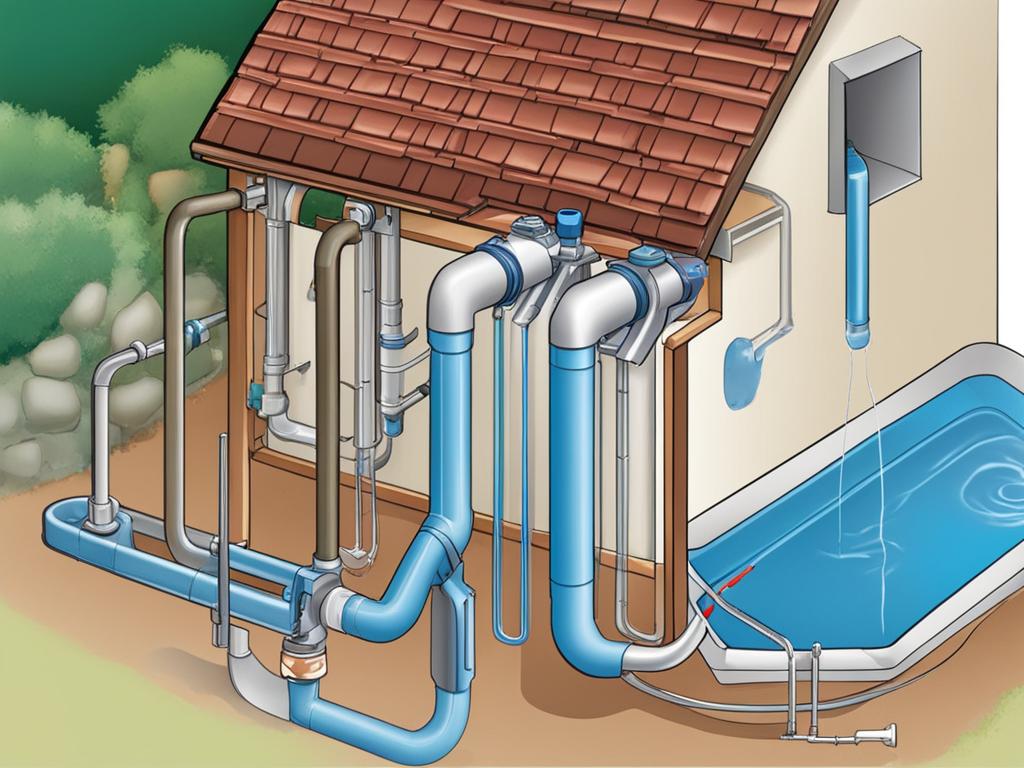
If you’re one of the many homeowners grappling with hard water issues at home, you’re not alone. Home water softening systems offer a compelling solution to this widespread concern. Designed to tackle the prevalent problem of water hardness, these systems are engineered not just to improve water quality, but also to bring about appreciable benefits of a water softener to your daily life.
Whether you’re noticing signs of scale buildup on your appliances, spending too much time scrubbing off soap scum, or your skin and hair don’t feel quite right — it might be the right moment to explore how a water softener can efficiently combat these challenges. By employing an ion exchange process, they eliminate minerals like calcium and magnesium that cause hardness, offering a softened water supply that can enhance your household routine.
Key Takeaways
- Home water softening systems effectively treat hard water, protecting your appliances and plumbing.
- Implementing a water softener can significantly improve water quality, leading to cleaner dishes and softer laundry.
- The benefits of a water softener extend beyond the functional; they also reduce skin irritation and give you softer hair.
- Through ion exchange, water softeners remove calcium and magnesium, the culprits behind water hardness.
- A wise investment in a water softener can result in long-term savings on household maintenance and cleaning products.
- Opting for a water softener translates into safeguarding your home investments and enhancing your daily comfort.
The Hard Truth About Hard Water
When you turn on your faucet, you expect water that’s clean and beneficial for everyday use. However, if you’re dealing with hard water problems, the reality is far less ideal. Hard water, laden with minerals such as calcium and magnesium, presents a plethora of complications that go unseen to the naked eye but have lasting effects on your household. From scale buildup to soap scum, the aftermath of untreated hard water can be frustrating and expensive.
Imagine watching your once shiny appliances succumb to appliance damage, with efficiency dropping and the need for repairs increasing. The internal workings of your water heater, dishwasher, and washing machine can all fall victim to the invasive nature of hard minerals. This scale-building process isn’t just an on-surface problem but is deeply ingrained within your water systems, leading to extensive and costly repairs.
Did you know that soap scum formed in hard water can require up to 50% more detergent to achieve cleaning effectiveness? That means increased spending on cleaning products, and who doesn’t want to avoid unnecessary expenses?
Consider the headache of domestic cleaning exacerbated by hard water. Bathtubs and shower walls bearing the brunt of stubborn soap scum, the daily disappointment of pulling dull, stiff laundry out of the washing machine, and the incessant cleaning of cloudy glassware are just a few of the visible hard water problems.
- **Scale buildup:** Noticeable on faucets, showerheads, and within pipes, these mineral deposits can choke your water flow and damage your appliances.
- **Soap scum:** That film that coats your showers and sinks is a mixture of soap and hard minerals, making cleaning a tougher task than it should be.
- **Appliance damage:** Limescale can shorten the lifespan of your home appliances, leading to premature wear and tear.
However, the impact of hard water doesn’t stop with what you can see. It seeps into your personal care, where the minerals in hard water can leave your skin feeling dry and your hair lifeless. Hard water can also make lathering soap difficult, affecting the efficiency of your washing and bathing. All this adds up to an increased cost in water usage, personal care products, and the very real potential for premature appliance damage. The solution might be as manageable as integrating a water softening system into your home, a worthwhile investment for the longevity of your appliances and the comfort of your daily life.
Addressing the effects of hard water isn’t a luxury; it’s an essential step in safeguarding your appliances, maintaining your plumbing, and ensuring that daily tasks remain hassle-free. Investing in water treatment is investing in the long-term health of your home.
What is a Water Softener

If you’re looking to understand what a water softener is and how it can enhance your home’s water quality, you’re in the right place. Below, we delve into the specifics of the water softening process and the critical components that make a water softener an effective solution against hard water.
Defining the Water Softening Process
The core of a water softener is the water softening process, an ingenious method designed to address the challenges of hard water. It employs a chemical principle known as ion exchange to remove the calcium and magnesium ions that give water its hardness. Imagine thousands of tiny, powerful magnets inside the water softener, pulling unwanted minerals out of your water and replacing them with sodium ions, rendering the water soft and more manageable for household use.
In this seamless exchange, your water is stripped of elements that can cause inefficiencies in your household systems and appliances. The result? You’re left with water that is gentler on your skin, more cooperative with soap, and friendly to everything from your pipes to your morning coffee maker.
Key Components and Their Functions
Lift the hood on any water softener, and you’ll find several components of a water softener working synergistically to soften your water. The mineral tank is where the magic happens, holding the resin beads that facilitate the ion exchange. The control valve is the brains of the operation, tracking water usage and activating the regeneration cycle—a phase critical to maintaining the system’s efficiency. Then there’s the brine tank, a repository for the salt solution that rejuvenates the resin beads, preparing them to continue their task of water softening.
The intricate dance between these components is what provides your home with consistently softened water. It’s a setup that works tirelessly in the background, translating to evident benefits in your day-to-day life—from preventing scale buildup in your appliances to ensuring that your showers leave you feeling refreshed and your clothes looking bright.
With a well-functioning water softener, you’ll not only save on maintenance costs and appliance replacements, but you can also revel in the improved quality of water flowing through your home. It’s a critical investment that pays dividends in the comfort and efficiency of your domestic routines.
Anatomy of a Water Softener: Breaking Down the Parts
When delving into the world of home water treatment, it’s crucial to understand the water softener parts that make up the system ensuring your household enjoys soft water. Each component plays a pivotal role in the softening process, and being familiar with them can aid in efficient maintenance and troubleshooting.
The central part of a water softener is the mineral tank. This is where the magic happens—hard water flows through and interacts with resin beads that have the essential job of removing unwanted calcium and magnesium ions. It’s akin to a swapping spree where hardness ions are exchanged for sodium ions, culminating in much softer water that’s kinder to your skin, clothes, and appliances.
Observing all the action and overseeing the process is the control valve, akin to the brain of the operation. It’s tasked with a critical job—monitoring water flow through the system and deciding when it’s time to refresh those hard-working resin beads. This ensures they’re always ready to tackle more hard water without a break in soft water supply.
How do the beads get their much-needed break, you ask? Enter the brine tank. This is where a highly concentrated solution of salt or potassium resides, biding its time until the control valve cues it to flush through the mineral tank, recharging the resin beads. This regeneration resets the ability of the tank to continue softening water efficiently.
Understanding these parts not only sheds light on how water softener systems address hard water concerns but also equips you with knowledge that can extend the lifespan of your system through proper care. Below is a handy breakdown of the mentioned parts and their individual contributions:
| Component | Function |
|---|---|
| Mineral Tank | Houses resin beads; site of ion exchange where hard water is softened |
| Control Valve | Monitors water flow; initiates the regeneration process |
| Brine Tank | Holds salt solution used to recharge resin beads during regeneration |
Whether you’re a new homeowner considering an installation or looking to optimize your current system, knowledge about your water softener’s anatomy is invaluable. The mineral tank, control valve, and brine tank are your allies in the quest for softer water, each an integral piece of the puzzle working seamlessly to protect your home from the effects of hard water.
How Water Softeners Preserve Your Appliances
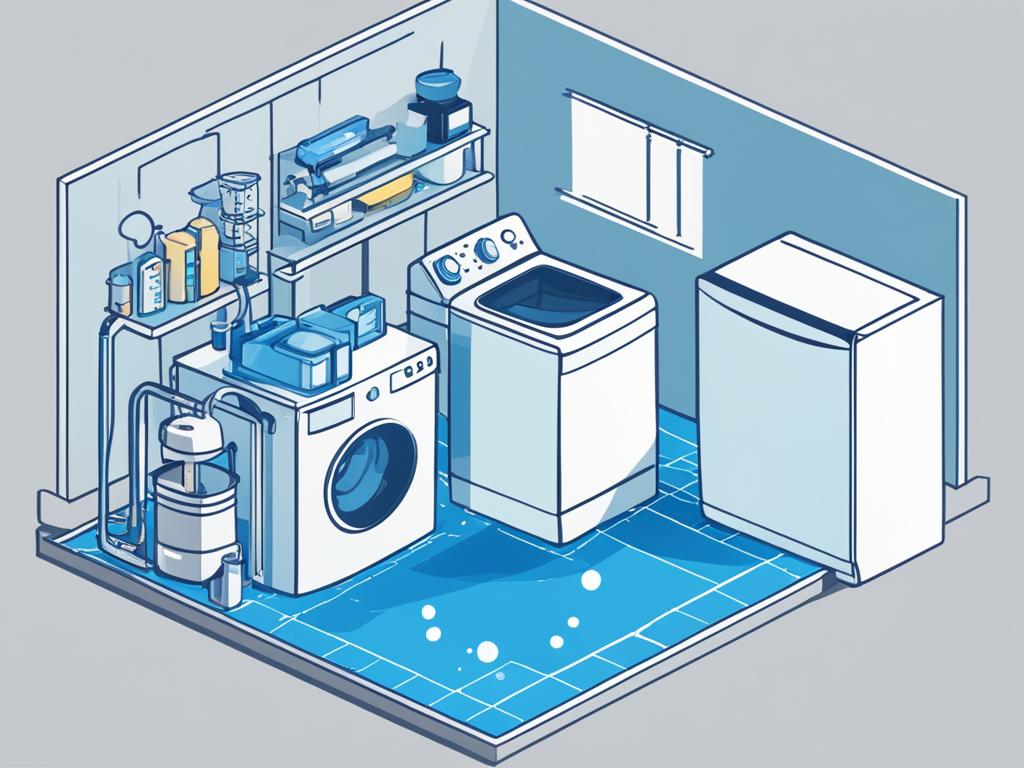
Investing in a water softener is more than just enhancing water quality; it’s an essential step towards appliance protection. The presence of a water softener in your home means you’re actively extending the life of your appliances by mitigating the risks that come with hard water. Let’s explore the water softener benefits and how they contribute to the efficiency and longevity of your household tools.
Prolonged Appliance Lifespan
One might wonder how a water softener can play a significant role in stretching the life expectancy of appliances. It’s simple. By removing the harsh minerals that contribute to scale buildup, water softeners allow your appliances to maintain their efficiency and robustness over the years. This means no unexpected breakdowns, no drop in performance, and certainly fewer calls to repair services.
Scaly Buildups and Your Appliances
Reduce scale deposits, reduce headaches. The damage that scale deposits can inflict on appliances is not to be underestimated. Over time, these mineral accumulations can clog pipes and erode the internal mechanisms of your machines, which are core to their operation. By softening water, you’re safeguarding these essential household helpers from the silent havoc that hard water wreaks.
| Appliance | With Hard Water | With Softened Water |
|---|---|---|
| Water Heaters | Scaled elements, reduced heating efficiency | Optimal performance, energy efficient |
| Dishwashers | Mineral spots on dishes, frequent repairs | Spotless dishes, reduced detergent use |
| Coffee Makers | Frequent descaling required, reduced lifespan | Consistent flavor, extended lifespan |
| Washing Machines | Fabrics wear out faster, inefficient cycles | Softer fabrics, cleaner clothes with less soap |
Water softeners may seem like an invisible part of your home’s infrastructure, but their impact is anything but. Consider the protection and efficiency they offer as an invisible shield, guarding your comfort and convenience around the clock. Your appliances are the heartbeat of your home; keep them pulsing stronger and longer with the benefits of softened water.
The Ion Exchange Process: A Closer Look

Understanding the ion exchange process is crucial when considering installing a water softener in your home. This process is the driving force behind the water softener functionality, and it’s fascinating to see science at work in our everyday lives. To help you grasp the mechanics, picture the mineral tank as the arena where the hard water battle is won.
As water runs through the resin beads housed in the mineral tank, a kind of molecular trade occurs. These beads, which are saturated with sodium ions, have a negative charge—a feature designed to attract the positively charged ions of calcium and magnesium found in hard water. This swap is far from accidental; it’s a targeted approach to improve the quality of your water.
Let’s take a moment to decorate this explanation with an example that will add some color to the basic premise. Imagine the resin beads are like little magnets, each eager to give away their sodium ions in exchange for the unwelcome minerals that make your water hard. It’s a trade-off that occurs on a tiny scale but has a huge impact on the water that eventually flows throughout your home.
The role of resin beads doesn’t end with the ion exchange. They’re the unsung heroes of water softening, tirelessly grabbing onto those hard minerals. And they’re remarkably efficient at their job, consistently delivering soft water that’s kinder to your skin, homes, and appliances.
Through the meticulous ion exchange process, you can wave goodbye to water hardness, welcoming a world where scale buildup is a distant memory, and water behaves just as you’d expect in soaps, detergents, and on your home surfaces.
By now, you’ve gotten a snapshot of the intricate dance that softens your water. Remember, it’s the synergy between the scientific design and the natural properties of the resin beads that allows your water softener to provide quality, softened water day in and out.
Regeneration: Keeping Your Water Softener Effective

To ensure your water softener provides continuous soft water for your home, understanding and maintaining the regeneration cycle is crucial. This automatic process involves the flow of a brine solution from the brine tank to the mineral tank, where it refreshes the resin beads that remove hardness minerals from your water.
Water softeners typically utilize two types of regeneration cycles, depending on the model you own—co-current or counter-current. Let’s explore how these cycles function and their impact on the maintenance of your water softener.
| Regeneration Type | Flow Direction | Efficiency | Salt & Water Usage |
|---|---|---|---|
| Co-current Regeneration | Same direction as water flow | Standard | Higher |
| Counter-current Regeneration | Opposite direction of water flow | High | Optimized |
The choice between these two types might affect long-term costs and the ecological footprint of your system. While co-current regeneration is commonly seen in household units, counter-current regeneration is noted for its effective use of water softener regeneration resources, making it an eco-friendlier and cost-effective option in the long run.
Your water softener is an investment in your home’s well-being, removing unwanted elements from your water supply. The regeneration process is a significant part of its operation, and regular checks ensure it keeps running smoothly. Remember to check and refill the salt in the brine tank periodically and to review your water softener’s settings according to your water usage patterns to optimize performance.
Water Softener Components: Mineral Tank, Control Valve, and Brine Tank

In exploring the essentials of a highly efficient water softening system, it’s vital to understand the key components of a water softener. The setup comprises mainly three components, each playing a significant role in the regeneration cycle and overall water softening efficiency. These are the mineral tank, control valve, and brine tank, all ingeniously designed to work in unison to alleviate the challenges of hard water in your home.
The mineral tank is the heart of the water softener. It houses the resin beads which are pivotal in the ion exchange process. As water flows through this tank, calcium and magnesium—the culprits behind water hardness—are exchanged for sodium ions. This transformation takes place seamlessly within the tank, ensuring that by the time the water reaches your faucet, it’s soft and more congenial for use in household tasks.
Acting as the brain, the control valve monitors water usage and commands the start of the regeneration process. This automation is crucial for maintaining the longevity and effectiveness of the mineral tank’s resins. It calculates the most efficient time to regenerate based on your water usage, guaranteeing that softened water is consistently available when you need it.
Lastly, the brine tank plays a support role, storing the salt utilized in renewing the resin beads during the regeneration cycle. Here, the salt mixes with incoming water to create a brine solution which is then flushed through the mineral tank to renew the resin beads—completing the regeneration cycle and readying the system for further water softening action.
These components are strategically engineered to ensure that those minerals causing water hardness are eradicated, increasing the lifespan of your appliances, fine-tuning the effectiveness of soaps and detergents, and presenting you with water that is a pleasure to use. To give you a visual representation of how these components interact, refer to the following table:
| Component | Function | Role in Regeneration Cycle | Contribution to Water Softening Efficiency |
|---|---|---|---|
| Mineral Tank | Softens hard water through ion exchange | Resin beads are rejuvenated | Directly responsible for removing hardness ions from water |
| Control Valve | Monitors flow and manages the regeneration schedule | Initiates the regeneration process | Automates the system for optimized performance |
| Brine Tank | Stores salt for the brine solution | Provides brine for resin bead rejuvenation | Ensures a continuous supply of sodium ions for exchange |
By understanding these three core components, you’re better equipped to ensure that your water softener system remains in top condition—providing you with soft water that enhances your quality of life at home.
Installation and Maintenance of a Water Softener

Ensuring that you have high home water quality starts with proper water softener installation and extends to diligent water softener maintenance. Let’s navigate the essentials together to keep your home’s water consistently soft and your system running smoothly.
Step-by-Step Installation Guide
Initiating the installation process can be quite the task—here’s a simplified breakdown to give you an overview:
- Analyze Your Space: You’ll need to determine the installation site near your main water line and drain.
- Gather Tools and Supplies: From pipe cutters to wrenches, ensure you have what you need before starting.
- System Setup: Assemble the system away from the installation site, then move it into place.
- Installation: You may need to cut into pipes and install bypass valves—this is why many opt for a professional installation.
- Connection: Effortlessly connect the system to your water supply and drainage system.
- Testing: After setup, it’s crucial to run tests, checking for leaks and ensuring functionality.
Remember, while DIY is possible, hiring a professional is often recommended to avoid mistakes and ensure seamless integration.
Maintenance Tips to Ensure Longevity
Boosting the lifespan of your water softener is relatively straightforward. Adhere to these maintenance nuggets:
- Salt Replenishment: Keep an eye on the salt levels and refill as necessary. Different systems have various salt requirements.
- Resin Bed Cleansing: Over time, the resin bed can accumulate iron or other contaminants—using a resin bed cleaner annually keeps it shipshape.
- Inspect for Salt Bridges: Sometimes a hard crust can form in your brine tank, creating a space between the water and the salt. Break bridges up carefully.
- Preventive Checkups: Schedule routine checkups to identify potential issues before they balloon into major concerns.
Combined with modern technology, some automated systems offer user-friendly alerts and reminders, making maintenance a breeze.
Whether ensuring seamless water softener installation or performing regular water softener maintenance, these steps are pivotal in maintaining exemplary home water quality. With appropriate care, your water softener will serve your household well for years to come.
The Benefits of Softened Water in Your Home

Imagine a world where every drop of water flowing from your faucets not only cleans more effectively but also caresses your skin and hair with gentle softness. Welcome to the reality made possible by soft water. With the soft water advantages, you will notice immediate improvements in your day-to-day life. Say goodbye to limescale buildup that mars your faucets and appliances. Embrace the efficiency that comes with softened water, leading to shiner dishes and brighter laundry. But the perks don’t stop there – let’s delve into the transformative impact soft water has in your home.
Softer skin and hair is not a luxury reserved for spa visits. Soft water lacks the harsh minerals found in hard water, which strip away natural oils, leading to skin and hair that are more supple and lustrous. With every shower, you can step out feeling refreshed and rejuvenated, sporting a glow that only comes from truly clean, softened water.
Moreover, improved cleaning efficiency aligns with a greener and more economical lifestyle. By mitigating soap scum and mineral buildup, soft water requires less detergent and soap to achieve the same level of cleanliness, reducing your household’s chemical use and saving money over time. What’s more, softened water enhances the efficiency of your appliances, increasing their lifespan and consistent performance.
Let’s take a closer look at how soft water transforms your home:
| Benefits of Soft Water | Impact in Your Home |
|---|---|
| Prevents scale buildup in pipes and appliances | Longer-lasting plumbing and less frequent appliance repairs |
| Enhances soap and detergent effectiveness | Less product usage for cleaning tasks, leading to savings |
| Makes hair and skin feel softer and look healthier | Reduction in skin irritations and hair damage |
| Improves taste and clarity of drinking water | More enjoyable hydration and better-tasting culinary creations |
To truly grasp the change soft water brings, consider the smiles that come from seeing your sparkling glassware or the relief from no longer battling harsh water on sensitive skin. These everyday moments can significantly boost your home’s harmony and health.
Embrace the transition to soft water and experience the shift towards a more nurturing and efficient household. When you witness the transformative effects soft water has on your life, you’ll wonder how you ever managed without it!
Types of Water Softeners: Salt-Based vs. Salt-Free Systems

When you’re exploring water treatment options for your home, understanding the differences between salt-based water softeners, salt-free water conditioners, and magnetic water softeners can be crucial. While each type has its own merits and might be more suitable based on individual requirements and restrictions, it’s important to weigh your options before making an investment.
Salt-based water softeners are the traditional choice for many homeowners. They function by exchanging hardness ions in water with sodium ions, which requires a brine solution for regeneration. Though highly effective, their use is less favorable in areas with salt usage restrictions.
On the other hand, salt-free water conditioners are gaining popularity, especially where environmental concerns are paramount. These systems neutralize the minerals instead of removing them, providing a viable alternative if you’re looking to prevent scale without the salt.
Somewhat newer to the market, magnetic water softeners use magnetic fields as a means to alter the chemical composition of water minerals, preventing them from forming scale. These are easy to install and offer a maintenance-free operation.
Below is a comparison table to help you distinguish between the types:
| Type | Process | Regeneration Required | Salt Usage | Water Wastage | Maintenance |
|---|---|---|---|---|---|
| Salt-Based Water Softener | Ion Exchange | Yes | High | Yes | Regular Salt Refill |
| Salt-Free Water Conditioner | Mineral Neutralization | No | None | No | Little to None |
| Magnetic Water Softener | Magnetic Field | No | None | No | None |
Consider the above factors carefully, and you’ll be in a better position to choose a system that aligns with your family’s needs and local regulations. Remember that the best water softening solution for your home will depend on various factors including water hardness, consumption, and environmental considerations.
Choosing the Right Water Softener for Your Needs
Embarking on the journey of selecting a water softener is a pivotal step in managing your household water usage and ensuring that your home meets its water softening needs. But before diving into the range of products, you should first understand the nuances of your own water supply and usage to make an informed decision.
Understanding Water Hardness Levels
One of the initial considerations in selecting a suitable water softener is to ascertain the hardness level of your water. This is typically measured in grains per gallon (GPG) or parts per million (PPM), and you can obtain an accurate reading through a professional water test. Knowing the specific hardness level will guide you to the appropriate size and type of softener for your residence.
Assessing Your Household Water Consumption
Furthermore, dissecting your household water usage patterns plays a crucial role. This encompasses accounting for the number of people in your home, frequency of water usage, the number of water-based appliances, and peak water usage times. Remember, every drop counts, from showering and laundry to cooking and gardening.
| Number of Bathrooms | People in Household | Estimated Gallons Per Day | Optimal Softener Capacity (Grains) |
|---|---|---|---|
| 1 – 2 | 1 – 3 | 100 – 250 | 20,000 – 30,000 |
| 3 – 4 | 4 – 6 | 250 – 400 | 30,000 – 40,000 |
| 5+ | 7+ | 400+ | 40,000+ |
Keep in mind that these are general estimates and your individual consumption may vary. It’s not unusual for homes to be unique in their water patterns, so tailoring the water softener to your specific situation is essential.
Armed with this knowledge, you can make a confident and personalized choice for your home. Remember, the goal is to select a system that not only meets your current water softening needs but also caters to possible future demands. A water softener is not just an appliance but an investment into the quality of life in your home.
Conclusion
Opting for a water softener investment is not merely about treating water; it’s about embracing an overall lifestyle upgrade. You gain markedly with water quality improvement, which permeates every aspect of your daily routine. Imagine your household appliances operating at peak performance, free from the vicious cycle of repair and replacement – that’s what efficient home water treatment promises. It’s not just about the pipes and machines; it’s the soft touch of water on your skin, the luster in your hair, and the longevity of your wardrobe.
Your commitment to this investment pays off by curbing the hassle of incessant cleaning and by reducing the budget allocated to detergents and appliance upkeep. It’s not simply an expenditure but a cost-saving pathway in the long run. A water softener system customized to your home’s specific needs ensures that your water is as gentle to your belongings as nature intended. A little proactive approach in choosing the right system and staying on top of maintenance significantly amplifies the benefits you’ll enjoy.
In closing, remember every drop of water counts. Your engagement with a suitable water softener transcends the immediate advantages. It’s about securing a sustainable, quality living environment for you and your family. The dividends of such an investment are bountiful – from safeguarding your home appliances to claiming peace of mind with every water-related activity. Indeed, the power to transform your home’s water quality rests in your hands, bolstering the essence of every chore, every task, and every moment that relies on water.
FAQ
What exactly is a water softener and how does it improve water quality?
A water softener is a home water softening system designed to remove minerals that cause water hardness, such as calcium and magnesium. It improves water quality by preventing scale buildup, enhancing soap efficiency, and protecting appliances from damage, resulting in numerous benefits for household use.
Can you explain the problems caused by hard water?
Hard water problems include scale buildup in pipes and appliances, soap scum on dishes and bathroom fixtures, dingy laundry, and appliance damage. These issues can lead to increased cleaning time, higher energy consumption, and costly repairs or replacements.
How does the water softening process work?
The water softening process involves ion exchange, where water passes through a mineral tank filled with resin beads. These beads capture the hardness ions, calcium, and magnesium, and exchange them with sodium ions, effectively softening the water.
What are the key components of a water softener and their functions?
The key components of a water softener include the mineral tank, brine tank, and control valve. The mineral tank is where the ion exchange occurs, the brine tank holds salt to regenerate the resin beads, and the control valve regulates water flow and manages the regeneration cycle.
How do water softeners preserve the lifespan of household appliances?
Water softeners preserve appliance lifespan by removing hard water minerals that cause scale deposits. This prevention maintains the efficiency and performance of appliances such as water heaters, washing machines, and dishwashers, ultimately prolonging their functional life.
Could you describe the ion exchange process in a water softener?
The ion exchange process in a water softener involves resin beads in the mineral tank that are charged with sodium ions. As hard water passes through, the beads attract and hold onto calcium and magnesium ions, exchanging them for sodium ions, which softens the water.
Why is regeneration important for maintaining water softener effectiveness?
Regeneration is crucial as it cleans and recharges the resin beads with sodium ions, allowing them to continue effectively softening water. It uses a brine solution from the brine tank, either through co-current or counter-current cycles, to ensure the longevity and effectiveness of the water softening process.
What does the regeneration cycle in a water softener do?
The regeneration cycle is a process where the water softener cleans the resin beads in the mineral tank. It flushes out the accumulated hardness minerals with a brine solution, recharging the beads and restoring their capability to soften water.
Can you provide a step-by-step installation guide for a water softener?
While installing a water softener typically requires professional help, the basic steps involve positioning the softener, connecting it to the main water supply, setting up the drain lines, and programming the control valve according to water usage and hardness levels.
What are some maintenance tips to ensure the longevity of a water softener?
To maintain a water softener, regularly check and refill the salt in the brine tank, clean the tank occasionally to prevent salt bridges and keep the resin beads clean, and periodically check the control settings and valves for any necessary adjustments or repairs.
What are the advantages of soft water in the home?
The advantages of soft water include the prevention of limescale buildup, more effective cleaning with less soap, brighter and softer laundry, shinier hair, and softer skin. Additionally, it ensures cleaner dishes, tastier drinking water, and longer-lasting appliances.
What are the different types of water softeners available?
There are various types of water softeners, including salt-based systems, which use a salt-based regeneration process, salt-free conditioners, which neutralize minerals without removing them, and alternative systems like portable, dual-tank, and magnetic or electromagnetic softeners, each suited to specific conditions and preferences.
How do I choose the right water softener for my household needs?
Choosing the right water softener starts with understanding your water hardness levels and assessing your household water consumption. Consider the number of bathrooms, appliances, and your daily water use to find a system that meets your specific water treatment goals and household demands.
Leave a Reply
You must be logged in to post a comment.