
As you settle into the comfort of your rural haven, the purity of your drinking water might not be the first thing on your mind. But here’s something you should consider: the safety of well water is a vital issue for numerous households, especially those situated beyond the reach of municipal water systems. Well water safety hinges on understanding both the benefits and risks of drinking well water While the idea of tapping directly into nature’s bounty can be appealing, it’s crucial to know that a pristine facade can mask contaminants, making well water treatment and well water testing not just beneficial, but indispensable for your health. Don’t fret, though; with the right maintenance and care, you can keep the water flowing from your well both clean and refreshing.
Key Takeaways
- Regular maintenance is key to ensuring your well water remains safe to drink.
- Annual testing helps detect potentially harmful contaminants in well water.
- Conditions like water runoff and floods can affect your well water’s purity.
- Implementing a well water treatment system may mitigate health risks.
- Being informed about your well’s history and surrounding area aids in water safety management.
Understanding the Source of Your Well Water
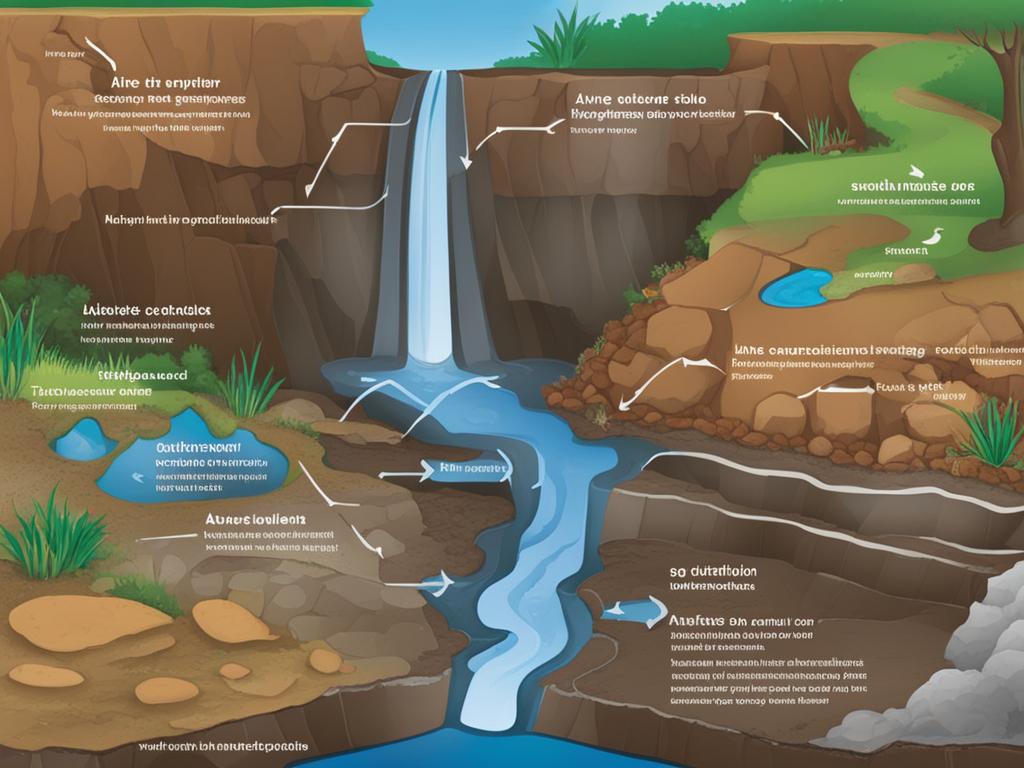
When you turn on your faucet, the water that flows out is more than just H2O; it’s the end product of a complex journey from a well water source. This water, an essential resource for those relying on rural water systems, is naturally replenished from precipitation that infiltrates the ground. However, the quality of this water hinges on your vigilance and dedication to well water maintenance, as it is susceptible to groundwater contaminants from both natural and human-induced activities.
Environmental factors can significantly impact the integrity of your well water. Conditions like water runoff and flooding can draw a host of impurities into groundwater, ranging from bacteria and viruses to agricultural pesticides and industrial waste. Each one of these elements poses a different risk to your health, and without the safeguarding regulations that public water systems benefit from, you alone are responsible for ensuring these contaminants do not find their way into your glass.
Let’s break down some of the common threats to the purity of your well water:
- Animal waste contributing harmful bacteria
- Pesticides deriving from inefficient farming practices
- Chemical spills, either from industrial or agricultural sources
Did you know that understanding your property’s history can be a game-changer in well water maintenance? By unraveling the land use around your well and learning about potential past incidents, you’ll have a clearer indication of which groundwater contaminants you’re facing. This knowledge is invaluable when devising a defense strategy for your water’s purity.
| Contaminant | Source | Health Impact |
|---|---|---|
| Nitrates | Agricultural run-off | Can interfere with the blood’s oxygen-carrying capacity |
| Bacteria (e.g., E.coli) | Animal waste/septic systems | May cause gastrointestinal illness |
| Heavy metals (e.g., lead, arsenic) | Natural deposits/industrial waste | Linked to a range of chronic health problems |
| Industrial chemicals | Manufacturing operations | Potential carcinogens |
As custodians of our health and environment, the onus is on us— well owners and users— to engage in thorough and regular water testing and to consider the holistic ecosystem that sustains our rural water systems. Recognizing that every drop of well water is a natural treasure, we must commit to its stewardship, ensuring safe, pure, and drinkable water for our households.
Identifying Common Contaminants in Well Water
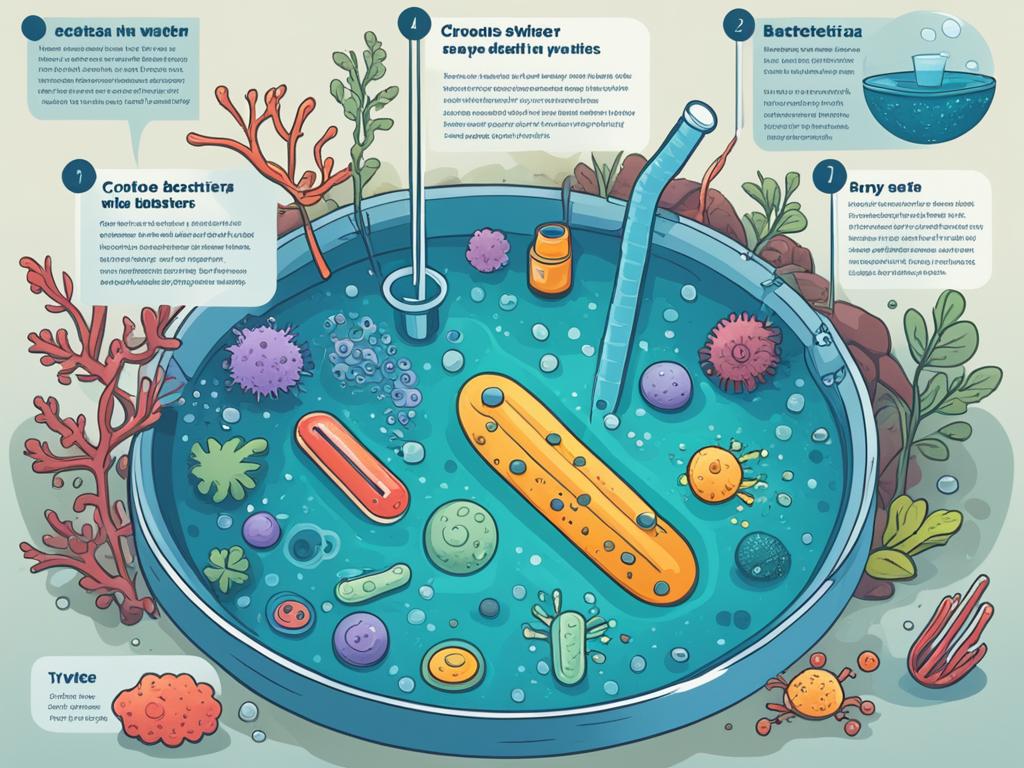
As a well owner, you might be surprised to learn about the various well water contaminants that potentially lurk in your drinking water. Understanding these contaminants is crucial for ensuring the health and safety of you and your family.
Firstly, let’s explore a heavy metal that often goes undetected—arsenic in well water. It’s a silent threat affecting many households, particularly in certain geographic regions.
Arsenic: A Toxic Heavy Metal in Some Wells
Arsenic is a naturally occurring element in soil and bedrock, and it can leach into your well water, leading to serious health issues. Regular testing for arsenic is vital since it is linked to skin cancer and changes in skin pigmentation. The insidious nature of arsenic means that it can accumulate in your system over time without any immediate symptoms.
Cancer-Causing Agents from Fertilizers and Pesticides
The use of fertilizers and pesticides in agriculture can also be a source of cancer-causing agents in well water. Compounds like methyl tert-butyl ether and vinyl chloride could infiltrate your well, raising the risk of long-term health problems, including various types of cancer.
Coliform Bacteria and its Effects on Gut Health
Coliform bacteria are microorganisms that can indicate the presence of more harmful pathogens in your water supply. These bacteria can be responsible for gastrointestinal illnesses and skin infections, signaling a breach in your well’s integrity or contamination in your water source.
Risks of Nitrates and Nitrites in Well Water
Lastly, let’s consider nitrates, which are often found in well water, especially in areas with intensive agricultural activity. When converted to nitrites, they exhibit nitrite toxicity, disrupting the body’s oxygen transport mechanism. This is particularly dangerous for infants and those with certain medical conditions, emphasizing the importance of nitrate testing in protecting vulnerable populations.
Being aware of these contaminants and the risks they carry can help you take the right steps towards ensuring the purity of your well water. Regular testing and possible water treatment measures become necessary defenses against these invisible threats to your health.
Is Well Water Safe to Drink? Examining Health Concerns

As you contemplate the drinking well water safety, it’s crucial to factor in the quality and upkeep of your well. Contaminated well water is not a matter to take lightly, given that it can pose severe well water health risks to you and your family. It’s not just about the immediate illnesses you might encounter; some of the more insidious dangers include long-term conditions that could manifest over time.
Imagine doing something as simple as drinking water leading to kidney damage or worse, organ failure. Unfortunately, this can happen when your well water is tainted with harmful substances that your body then tries to filter out and absorb. Consider arsenic, for example—its presence in well water has been connected to various types of cancer.
That’s not all, hit too close to home are the gastrointestinal problems caused by waterborne illnesses you could suffer from if coliform bacteria were to make its way into your water supply. In light of these risks, it’s imperative to grasp the importance of diligent monitoring and management of your well water quality to help circumvent such detrimental health outcomes.
- Regular testing for contaminants
- Maintenance and upkeep of well systems
- Understanding the local environment and potential pollution sources
- Considering water treatment solutions to mitigate risks
By appreciating the criticality of these actions, you can help assure the water you’re consuming is as safe and healthy as possible, free from contaminants that might lead you down the path of health adversities. Taking proactive steps can be the buffer that stands between you and the waterborne illnesses that threaten the well-being of countless individuals relying on private wells.
The Role of the Environment in Well Water Safety

As the guardians of our own well water safety, it’s important for you to recognize environmental impact on well water. External conditions, including those caused by climate change water safety challenges, can introduce significant risks. Let’s delve into the environmental factors that could jeopardize the purity of your groundwater, and ultimately, your health.
Impact of Climate Change and Natural Disasters on Water Quality
Extreme weather events are not just headlines; they have a direct effect on the safety of your well water. Flooding from hurricanes and heavy rainfall can wash contaminants into your water supply, potentially leading to dangerous levels of microorganisms and chemicals—making the need for reactive water safety measures more prevalent than ever. Climate change water safety is no mere buzzword, but a critical component in your well water management strategy.
Industrial Activities and Their Implications for Groundwater
It’s not just natural events that contribute to groundwater contamination; human activities play a role too. Runoff from agricultural lands and leakages from manufacturing plants can introduce nitrates, heavy metals, and other harmful substances into your well water. Being aware of these potential risks and the proximity of such industrial activities to your water source is paramount for proactive well management.
Understanding Hydraulic Fracturing Effects
Hydraulic fracturing, or fracking, remains a contentious issue, particularly in regard to its impact on water quality. The process, which involves fracturing rock layers to release natural gas, can lead to the contamination of groundwater with a variety of harmful substances. As someone who relies on well water, it’s vital for you to understand how fracking operations in your area could affect the water that flows into your home and your well.
Remember, safeguarding your well water against environmental threats is an ongoing task that necessitates vigilance and proactive measures. Regular testing and staying informed about developments in your area are crucial steps towards ensuring a clean and safe water supply for your household.
Annual Testing and Maintenance: Ensuring Water Quality

As a homeowner, you know that keeping well water safe is non-negotiable. The quality of the water you drink, cook with, and bathe in is directly linked to the health of you and your family. That’s why adhering to the Environmental Protection Agency’s (EPA) recommendations for well water testing and water quality maintenance can’t be overlooked. An annual well inspection is a baseline for ensuring the purity of your water supply. However, understanding when additional contaminants testing is necessary, and how to interpret the results, can make all the difference in maintaining a safe water source.
Importance of Regular Water Quality Testing
Regular testing is not just for peace of mind; it’s a critical component of responsible well ownership. You can’t identify what you can’t see, and unfortunately, many contaminants are invisible to the naked eye. Annual checks for bacteria, nitrates, arsenic, and other harmful substances can help detect and address issues before they escalate into health hazards.
When to Seek Additional Testing: Identifying Red Flags
It’s important to remain vigilant and responsive to any changes in your water quality. Be on the lookout for any alterations in taste, odor, or color – these could be red flags signalling the presence of pollutants. Similarly, if you or your family experience sudden, unexplained illnesses, or if there’s been a chemical spill nearby, it may be time for more thorough contaminants testing.
Understanding the Results: What to Look For
When the test results come in, you’ll want to pay close attention to the levels of specific toxins and bacteria. Safe drinking water should meet the EPA’s health guidelines, so if any contaminants are present above these levels, you’ll need to take action. Knowing what you’re dealing with is the first step to finding a solution and securing your well’s safety.
By embracing a proactive approach to well water testing and maintenance, you can ensure that your well remains a safe, pure source of water for your household for years to come.
Signs Your Well Water May Not Be Safe

Have you noticed unusual changes in your well water? It’s likely your senses are picking up on unsafe well water indications. Vigilance is key to maintaining the quality and safety of your water source. If you’re detecting any well water discoloration, a persistent sulfur odor in water, or if there’s been a well water taste change, it may be time to conduct a thorough water quality analysis. Here are some signs to look out for:
- A distinct color change or murkiness could point to mineral sediments or contaminants.
- If your water smells like rotten eggs, it might be an excess of sulfur, indicating bacterial contamination.
- An unexpected taste change can also be a red flag signaling that something’s not quite right.
- Soap scum buildup and reduced water pressure might mean you have hard water, which can be tough on appliances and your skin.
Experiencing any of these should prompt immediate testing to ensure the safety of your well water. Don’t delay in seeking professional advice if you’re facing these issues.
Addressing Well Water Issues Through Filtration and Treatment

When it comes to ensuring the safety and quality of your well water, there’s a range of well water treatment options at your disposal. Understanding the diverse types of water filtration systems and methods of purifying well water not only enhances the safety of your drinking water but also addresses specific concerns like unwanted taste or hardness.
Types of Water Filfiltration for Wells
Whether you’re dealing with hard water loaded with minerals or unwanted particles and bacteria, integrating a robust water filtration system can be your best line of defense. Well water softening systems work to replace magnesium and calcium ions with sodium or potassium, effectively softening the water. On the other hand, activated carbon filters, ultraviolet purification, and reverse osmosis systems target a variety of contaminants to deliver cleaner, safer water directly from your well to your faucet.
Boiling vs. Filtering: Effective Solutions for Contaminated Well Water
In situations where you’re concerned about microbial contaminants, boiling contaminated water can be a quick fix. It’s an effective method for neutralizing harmful microorganisms, making it a go-to emergency measure for ensuring your water’s drinkability. However, for comprehensive and long-term water treatment, investing in reliable water filtration systems is indispensable, as boiling won’t remove chemical pollutants or heavy metals.
Whole-System Filters vs. Attachments: Choices for Homeowners
Determining whether to opt for whole-home water filtration systems or smaller on-tap attachments can influence not just water quality but also convenience and cost. Whole-system filters, also known as point-of-entry systems, ensure that all water entering your home is treated, providing consistent quality. Yet, for more localized filtration, point-of-use devices such as pitcher filters or faucet attachments offer targeted treatment and are often simpler installations.
Below is a comparison chart to help you choose the most suitable well water treatment system:
| Treatment System | Best for | Maintenance | Installation Type | Cost |
|---|---|---|---|---|
| Water Softeners | Hard water minerals | Regular salt replenishment | Point-of-entry | $$ |
| Activated Carbon Filters | Taste and odor | Periodic filter replacement | Point-of-use or point-of-entry | $ |
| Reverse Osmosis Systems | A wide range of contaminants | Annual servicing | Point-of-use | $$$ |
| Ultraviolet Purification | Bacteria and viruses | Annual bulb replacement | Point-of-entry or point-of-use | $$ |
It’s essential to match the right system to your needs, factoring in the specific contaminants in your well water and the volume of water your household uses. Remember, the right system not only contributes to the longevity of your plumbing but also to the health and wellness of those in your home.
Health Risks Associated with Well Water Consumption

When it comes to your drinking water, staying informed about potential health concerns is paramount. The consumption of well water is not without its risks, and understanding the possible implications on your health can empower you to take proactive measures.
The Short and Long-Term Effects of Drinking Contaminated Well Water
Short-term exposure to contaminated well water can be deceptive, with minor symptoms such as gastrointestinal discomfort possibly going unnoticed or being attributed to other causes. However, these acute symptoms can be a forewarning of more serious, underlying issues.
Longer exposure, conversely, may exacerbate well water health risks, leading to chronic conditions linked to heavy metal toxicity. These health risks span from neurological deficits to renal system failures, with the severity of impact often correlating to the duration and concentration of contaminants.
The Vulnerability of Children and the Elderly to Waterborne Illnesses
The sensitivity of certain demographics, especially children and the elderly, heightens the necessity for diligent water scrutiny. Their vulnerability stems from less robust immune systems, making children’s exposure to contaminants particularly concerning. These populations can suffer more severe consequences from waterborne diseases, which range from respiratory conditions to developmental impediments.
Heavy Metals in Water and Their Impact on Human Health
Heavy metals like arsenic, lead, and mercury, often found lurking in untreated water, can accumulate within the body over time, leading to an assortment of adverse health effects. The term heavy metal toxicity encapsulates the array of systemic issues that can arise from prolonged exposure, such as cognitive and behavioral changes, reproductive disorders, and increased risk of certain cancers.
Fully understanding and managing the quality of your well water is not merely a preference—it is an imperative move to protect yourself and your loved ones from avoidable health risks. Ensure you’re not undervaluing the importance of routine water testing and the early detection of any irregularities in your water.
Regulatory Standards for Well Water: What You Need to Know
If you rely on well water, understanding the well water regulations and guidelines is crucial for maintaining a safe water supply. While private well guidelines are not mandated by federal law, the Environmental Protection Agency (EPA) does provide consumer confidence reports and sets federal water safety standards for public systems which can serve as a benchmark for private well owners.
Here’s what you need to know to keep your well water safe, considering the absence of specific regulations:
- Perform an annual well water quality test to monitor for common contaminants.
- Stay informed about local land activities that may affect groundwater quality.
- Implement consistent maintenance and treatment practices to address potential water safety issues.
“As well operators, it’s our duty to ensure the water we provide meets safety standards for our families and communities.” – Environmental Health Expert.
Additionally, follow these expert-recommended steps:
- Consult consumer confidence reports for nearby public water systems to understand regional water quality concerns.
- Adopt a testing schedule aligned with EPA’s recommendations for contaminants like nitrates, bacteria, and other pollutants.
- Review state resources for potential well water contaminants to be aware of any region-specific issues.
For a more detailed look, consider this example testing table you might use to gauge well water safety:
| Contaminant | Health Risks | EPA Standard for Public Water (mg/L) | Recommended Private Well Test Frequency |
|---|---|---|---|
| Arsenic | Skin, bladder, and lung cancer | 0.010 | Annual |
| Coliform Bacteria | Gastrointestinal illnesses | 0 (zero tolerance) | Annual or biannual |
| Nitrates | Blood disorders (e.g., “blue baby” syndrome) | 10 | Annual |
By keeping abreast of these unofficial guidelines and best practices, you can help ensure your well water remains a safe, drinkable source for your household.
Critical Steps for Well Water Safety After Natural Disasters

In the aftermath of natural disasters, your well water safety can be at significant risk. Events such as floods, hurricanes, or earthquakes have profound effects on groundwater quality. Understanding the necessary steps to secure your well water is crucial for maintaining your health and peace of mind during these times of potential crisis.
Boil Advisories and Their Importance
After a natural disaster, you may be faced with a boil water advisory. This is a precautionary measure issued by health authorities to protect public health from waterborne infectious agents. Boiling your well water during these advisories is a non-negotiable step. It’s one of the simplest yet most effective methods of killing bacteria, viruses, and parasites that can find their way into your water supply during floods or other disruptive events.
Restoring Well Integrity Following Flooding
Flood impact on well water can cause significant contamination concerns. Ensuring the integrity of your well structure is vital to steer clear of these contaminants. Raising the well casing above flood levels, installing watertight caps and covers, and inspecting for any damage or breaches post-flood— these preemptive actions can prevent contaminated surface water from intruding your well.
Proactive Measures to Prevent Contamination
Preventative steps for well water contamination prevention go a long way toward safeguarding your water supply. It’s recommended to check your well for cracks, make sure it’s properly sealed, and keep records of water testing results before and after disaster scenarios. Regular maintenance and immediate post-disaster assessments are key to ensuring your well water remains safe for consumption.
If a natural disaster strikes, remember that well water safety post-disaster is an immediate concern that requires prompt and effective action to ensure the health and safety of everyone who relies on the well water.
The Importance of Professional Water Quality Testing

Ensuring the safety of your drinking water begins with professional well water testing. Being proactive about testing your water not only provides peace of mind but also safeguards your health. Having your water supply checked routinely by experts can reveal the presence of harmful contaminants, ensuring your well water’s safety and potability.
How to Get Your Well Water Tested
To initiate the testing process, you can contact your local health department or seek out certified laboratories that offer professional well water testing services. These entities will be equipped with the expertise and tools necessary to collect water samples properly and perform a comprehensive analysis of your well water quality.
Interpreting Test Results and Next Steps
Once the lab has concluded its testing, understanding how to interpret water test results is key. These reports can be complex, but recognizing parameters like PH levels, contaminant concentrations and comparing them against safety benchmarks is imperative. If your results indicate issues, a water treatment professional can provide guidance on the necessary measures to improve your well water safety.
Resources for Well Water Testing
Locating well water testing resources is straightforward when you know where to look. The Environmental Protection Agency (EPA) provides a wealth of information on their website about well water testing programs. Additionally, local extension offices and environmental health departments often offer educational materials and may even conduct tests at reduced costs.
Conclusion
The safeguarding of your well water’s quality is not a matter to be taken lightly. Through proactive well management, you are not only ensuring water quality but also protecting the health of those who rely on it. Regular testing plays a pivotal role in this process, offering a snapshot of your water’s condition and a marker for when intervention is required. It’s about being alert to changes in the environment that may lead to the infiltration of undesired contaminants into your water supply.
Understanding the nuances of how environmental factors can influence well water safety is crucial. This conclusively means that you must stay educated on potential risks and exhibit readiness to act on any signs that your water may be compromised. Being equipped with the necessary treatment and filtration systems can significantly mitigate these risks, maintaining the well water health that is essential for daily life.
In sum, the essence of ensuring water quality rests on your shoulders. With attentive and informed actions, your well water can remain a trusted source of hydration. Embrace the responsibility with diligence, and you’ll set a standard for well water safety that keeps your household’s water clear, pure, and healthful for years to come.
FAQ
Is well water safe to drink?
Generally, well water can be safe to drink if it’s tested regularly and treated as needed. Adequate maintenance and an understanding of water quality indicators are essential to ensure the absence of harmful contaminants.
How do you understand the source of your well water?
The source of well water is groundwater that collects in aquifers. Knowing the location of your well, local environmental factors, and the history of land use in your area can help you understand potential risks to your water source.
What are some common contaminants in well water?
Common well water contaminants may include arsenic, nitrates, nitrites, coliform bacteria, and chemicals from fertilizers and pesticides. These can pose various health risks and should be regularly tested for.
How can environmental factors affect well water safety?
Environmental factors such as climate change, natural disasters, industrial activities, and agricultural runoff can all impact well water quality by introducing pollutants into the groundwater.
Why is annual testing and maintenance of well water important?
Annual testing is crucial for detecting contaminants that may affect your health. Regular maintenance can prevent issues from arising and ensure that treatment systems are functioning properly.
What are the signs that your well water may not be safe?
Indicators of potential well water issues include changes in taste, odor, or color, sediment in the water, a drop in water pressure, and any gastrointestinal illnesses among household members.
What filtration and treatment options are available for well water issues?
Treatment options range from whole-system filters, which treat water for the entire house, to individual tap attachments and water softeners. Boiling water can also be used as a temporary measure against microbial contamination.
What are the health risks associated with well water consumption?
Drinking contaminated well water can lead to a range of health issues from gastrointestinal diseases to long-term problems such as heavy metal toxicity, cancer, and other chronic conditions.
Are there regulatory standards for private well water?
Unlike public water systems, private wells do not fall under federal or state regulatory standards. However, the EPA provides testing guidelines that well owners should follow to ensure safety.
How do you keep well water safe after a natural disaster?
Post-disaster, it’s important to follow boil advisories if issued, test the water for contaminants, and take necessary steps to restore the integrity of your well to prevent contamination.
How can you get your well water professionally tested?
You can get your well water tested through local health departments or by reaching out to certified laboratories. They can help you interpret the results and advise on any needed actions.
What resources are available for well water testing?
Resources for well water testing include EPA guidelines, state and local environmental health departments, and professionals specializing in water quality testing and treatment.
Leave a Reply
You must be logged in to post a comment.