
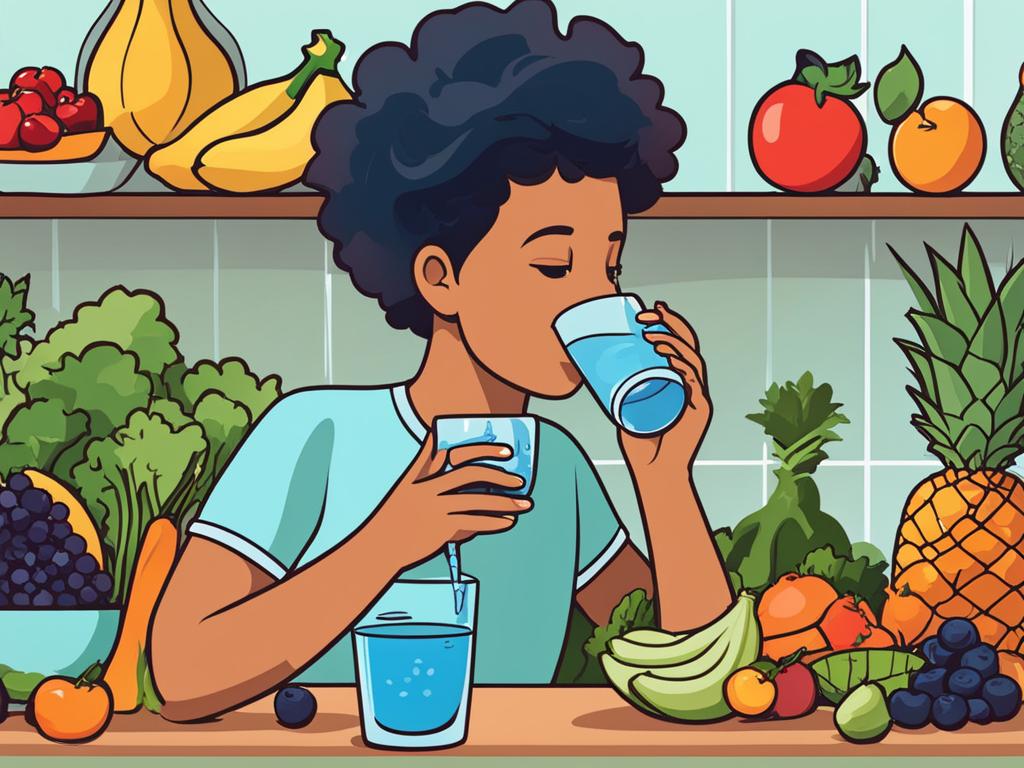
Knowing just how much water you should sip each day can be confusing, can’t it? You’ve likely heard the age-old advice of drinking eight glasses a day, but when it comes to optimal hydration, the truth is that everyone’s daily fluid intake needs are a little different. From the sweltering heat of summer to an intense spin class, your water consumption can wax and wane based on a multitude of factors. Here, you’re about to dive into the foundations of hydration that are just as unique as you are.
As essential as oxygen, water doesn’t just quench your thirst – it’s the linchpin of your overall well-being. It aids in everything from flushing out toxins to keeping your skin glowing. But mind you, not staying adequately hydrated can throw off more than just your midday focus—it can have real implications for your health. So pack your water bottle, and let’s set off on a journey through the ins and outs of proper hydration.
Key Takeaways
- Understand that optimal hydration varies from person to person.
- Acknowledge that your environment, health, and activity level dictate your daily fluid intake.
- Learn about the significant role water consumption plays in maintaining your health.
- Be aware of how to identify and prevent dehydration for sustained energy and alertness.
- Recognize the benefits of staying hydrated, including improved physical performance and mental clarity.
Understanding Your Body’s Hydration Needs
Just as a well-oiled machine runs smoothly, your body, consisting of roughly 50% to 70% water, operates at its peak when properly hydrated. This invisible fuel, hardly ever on our daily to-do list, is crucial for hydration for health, influencing everything from your physical performance to cognitive function.
Why Water is Vital for Your Health
Every sip of water you take plays a pivotal role in maintaining a harmonious balance within your system. Far from just quenching your thirst, water’s role in the body is comprehensive. It aids in the seamless execution of critical tasks, such as eliminating wastes through urine and sweat, keeping body temperature in check, and ensuring your joints stay lubricated and your tissues protected.
Factors Affecting Your Daily Water Requirements
Your daily hydration needs can be as unique as a fingerprint, influenced by an array of factors. These can range from the very air you breathe in different climates to how much you move, sweat, and exert yourself throughout the day.
- If you live in a hot climate or at a high altitude, you might find yourself reaching for a water bottle more often.
- Having certain medical conditions, such as kidney stones or urinary tract infections, also demands higher water intake.
- Even your day-to-day activities, whether it’s a brisk walk in the park or a high-intensity workout, will have a direct impact on your influences on water needs.
Remember, staying attuned to your body’s signals and understanding the influences on your water needs is fundamental for maintaining a balanced and healthy lifestyle. Whether you are a professional athlete or someone who leads a less active life, the significance of hydration remains paramount.
How Much Water Should You Drink a Day

Staying adequately hydrated is pivotal for your body to function optimally, but have you ever wondered how much daily water intake is just right for you? With general advice being to drink eight 8-ounce glasses daily, known commonly as the “8×8 rule,” it’s important to note that optimal fluid consumption varies from person to person based on varying hydration requirements.
Considering the U.S. National Academies’ recommendations, men should aim for roughly 15.5 cups of water per day, and women should target about 11.5 cups. However, these suggestions include total fluid intake from all beverages and foods consumed throughout the day. Hence, you may need to adjust these benchmarks if you partake in regular exercise, live in a hot climate, are currently ill, or if you are pregnant or breastfeeding.
- Regular physical activity: Replace fluids lost through sweat with additional water.
- Hot weather: Heat can increase your water loss, upping the need for more water to prevent dehydration.
- Health conditions: If you’re ill or have specific health concerns, consult your medical provider for personalized hydration advice.
- Pregnancy and breastfeeding: Your body requires extra fluids to support you and your child during these stages, so increase liquid intake accordingly.
Monitoring your hydration levels is crucial; look for natural cues like thirst and check the color of your urine which should be a pale straw color. This signals whether you’re meeting your body’s hydration needs or if you might need to sip on more water. It’s all about balancing act, understanding your personal hydration signals, and adjusting your fluid intake to match daily activity and health objectives.
Dehydration: Recognizing the Signs and Symptoms

Dehydration occurs when your body loses more fluids than it’s taking in, leaving it struggling to carry out normal functions. It’s important to understand the signs of dehydration, as well as the symptoms of dehydration and effects of inadequate hydration, so you can act quickly to address this imbalance.
How Your Body Signals the Need for Water
The human body has a sophisticated system for signaling its need for water. Initially, you might feel thirsty and notice a dry mouth—a sign telling you it’s time to take a sip. However, other signs of dehydration can be less obvious. Let’s explore some key indicators:
- Urine color: Light yellow urine typically signifies proper hydration, while dark yellow or amber-colored urine suggests dehydration.
- Dry skin: Your skin may become dry and lose its elasticity when you’re not drinking enough water.
- Headaches: Dehydration can contribute to headaches or migraines, a sign that your body is in need of fluids.
- Lethargy: Feeling unusually tired or fatigued can also be a symptom pointing towards dehydration.
Being aware of these symptoms allows you to take preventive action and increase your fluid intake appropriately. Remember, staying hydrated is not just about quenching thirst; it’s about keeping your body functioning at its optimal level.
Consequences of Not Drinking Enough Water
Ignoring the signs of dehydration can lead to more serious health concerns. Chronic dehydration can impact everything from your kidney function to your cognitive abilities. To emphasize the importance of hydration, here’s what can happen if you don’t drink enough water:
Effects of inadequate hydration can range from mild to life-threatening. Without sufficient water, your body cannot properly carry out essential processes, leading to a decline in overall health.
| Essential Function | Impact of Dehydration |
|---|---|
| Kidney Operations | Increased risk of kidney stones and urinary tract infections. |
| Cardiovascular Health | Possible low blood pressure and increased heart rate. |
| Digestive System | Digestive discomfort and constipation. |
| Muscular Performance | Muscle cramps and diminished strength. |
| Cognitive Abilities | Difficulty concentrating and reduced alertness. |
The effects of inadequate hydration can be prevented by listening to your body and keeping a water bottle handy. Your health and wellbeing depend on a steady supply of water, so make hydration a top priority throughout your day.
Benefits of Proper Hydration

Staying well-hydrated is crucial for your health and well-being. The hydration health benefits are expansive, influencing various aspects of your physical and mental performance. Drinking enough water maintains many systems in your body at optimal conditions. One vital benefit is the role of hydration in detoxification. By maintaining hydration, you facilitate your kidneys’ ability to flush out waste products, reducing the risk of kidney stones and urinary tract infections.
Furthermore, your water intake benefits cognitive functions and mood. When you’re adequately hydrated, your concentration sharpens, memory improves, and stress levels may decrease, leaving you feeling more alert and focused. For those who engage in physical activities, whether mild or intense, maintaining hydration can significantly enhance your performance and accelerate recovery post-exercise.
But the advantages don’t stop there; hydration is also essential for maintaining healthy skin and proper digestive function. Adequate fluid helps keep your skin moist and resilient, while also aiding in the digestion and absorption of food. So, not only does your skin appear better, but your body also processes nutrients more efficiently.
- Detoxification and reduced risk of kidney-related ailments
- Improved cognitive performance and mood enhancement
- Optimized physical performance and recovery
- Healthier skin and smoother digestive function
Remember to listen to your body’s signals and give it the hydration it craves—after all, the benefits of drinking water extend beyond just quenching your thirst; they’re a foundation for your overall health and vitality.
Assessing Hydration Through Urine Color

Monitoring your body’s hydration is more straightforward than you might think. Observing the color of your urine is a quick hydration level indicator that can tell you whether you’re drinking enough fluids. For a non-invasive check-up on your body’s water levels, simply take a glance the next time you use the bathroom.
What Your Urine Tells About Your Hydration Levels
When it comes to hydration, the urine color chart serves as a reliable tool. You’re aiming for a pale straw hue, which generally signifies a well-hydrated body. If your urine appears to be a dark yellow or amber, it might be time to increase your water intake. It’s an instant sign that your body is conserving water and concentrating your urine more than usual.
Understanding Urine Color Indicators
Various factors can influence the color of your urine, but hydration is key. Understanding what different shades mean can help maintain proper water consumption for optimal health. Here’s a guide to what your urine color and hydration levels are telling you:
| Urine Color | Hydration Level |
|---|---|
| Clear | Possibly Overhydrated |
| Pale Straw | Hydrated |
| Transparent Yellow | Normal |
| Dark Yellow | Mild Dehydration |
| Amber or Honey | Dehydration |
| Syrup or Brown Ale | Severe Dehydration or Liver Disease |
While urine color serves as a helpful guide, also be aware that some foods, vitamins, and medications can alter the color, unrelated to your hydration status. However, consistently pale yellow to clear urine is a general indicator that your hydration is on track.
Remember, staying hydrated is crucial for your health. Keeping an eye on your urine color is a simple method to ensure you’re meeting your body’s needs. Drink water regularly throughout the day, and use the urine color chart as a quick reference to stay on top of your hydration game.
Hydration for Different Lifestyles and Environments

When it comes to maintaining a balanced hydration level, your environment and lifestyle choices are as influential as the quantity of water you drink. As you navigate through various pursuits and conditions, consider the concept of environment-based hydration—a framework for understanding how different settings impact your fluid needs. Whether you’re an athlete in hard training or working outdoors, the key is a tailored water intake that aligns with your specific situation.
For optimal health, recognizing your lifestyle hydration needs is crucial. If you’re often engaged in high-intensity workouts or sports, your body is likely to lose significant amounts of water through sweat. This not only necessitates frequent hydration breaks during activities but also before and after them to replenish lost fluids effectively.
Moreover, if you reside in an arid or high-altitude area, your daily water requirement may increase due to lower humidity levels and the extra respiratory water loss that takes place in these environments.
Consider the table below as a simplified guide to help you map out your hydration strategy according to various daily scenarios.
| Lifestyle/Activity | Environment | Additional Daily Water Intake |
|---|---|---|
| Office Work | Climate-Controlled | Standard Recommendations |
| Outdoor Labor | Hot/Humid | 2-4 Extra Cups |
| High-Intensity Athletes | Varied | 4-6 Extra Cups |
| Residence in High Altitude | Dry/Cold | 2 Extra Cups |
Remember, hydration is not merely about water. Electrolytes, those critical minerals that help maintain the body’s balance, are also lost in sweat. As part of your tailored water intake, consider including natural electrolyte sources or supplements, especially after activities resulting in heavy perspiration.
Lastly, always listen to your body’s signals. Thirst, fatigue, and changes in urine color can all be indicators that you need to adjust your fluid intake. By tuning into these signs and adapting to your specific lifestyle and environmental factors, you can keep your body well-hydrated and functioning at its best.
Water Intake Recommendations by Age and Activity Level

Staying hydrated is crucial for health and well-being, regardless of your age or how active you are in your daily life. Whether you’re a growing child, an active adult, or expecting a little one soon, understanding and meeting your hydration needs can help you maintain optimal health. Here, we delve into how much water should be a part of your or your family’s routine, focusing on age-specific hydration, active lifestyle hydration, and maternal hydration.
Hydration Guidelines for Children and Teens
Young bodies are constantly growing and developing, which means children and teens have unique hydration requirements. For kids aged 4 to 8 years, about 5 cups of water a day is recommended. As they transition into adolescence, this requirement gradually increases. It’s not just about how much they drink—getting them to enjoy water over sugary drinks is part of promoting a healthy, hydrated lifestyle.
Adult Hydration: Balancing Workouts and Water
For adults, especially those with an active lifestyle, staying hydrated goes beyond just quenching thirst. Whether it’s a brisk walk, a hard-core gym session, or a run in the park, replenishing the water lost through sweat is essential. Men over 19 years old are typically advised to aim for around 13 cups of water per day, but this amount escalates for those leading a particularly active lifestyle.
Pregnancy and Breastfeeding: Increased Fluid Needs
Maternal hydration takes on additional significance due to the increased demands of pregnancy and breastfeeding. An expecting or nursing mother’s body works around the clock to nurture their baby, which elevates their fluid requirements to about 10-13 cups of water daily. This supports both mother’s and baby’s hydration needs, ensuring a healthy pregnancy and lactation period.
Can You Drink Too Much Water?
While ensuring proper hydration is a key aspect of maintaining your health, it’s equally important to be aware that there is such thing as too much water. Immoderate water consumption can lead to a condition known as hyponatremia, more commonly referred to as overhydration. This, although uncommon, can bear serious health implications and is something to be mindful of, especially for those involved in endurance sports or possessing smaller body frames.
Understanding Hyponatremia and Overhydration
Hyponatremia occurs when there is an excess of water in the system relative to salt, causing your body’s sodium levels to become dangerously diluted. The risks of overhydration are not to be underestimated, as they can hinder your kidney’s ability to effectively process the excessive fluid intake. Awareness of the balance between electrolytes and fluids consumed is critical to prevent the onset of this avoidable condition.
Recognizing the Symptoms of Water Intoxication
Symptoms of water intoxication can be subtle at first but may rapidly escalate to more severe conditions like confusion, nausea, or muscle spasms. In extreme cases, it can lead to seizures indicating a grave medical emergency. Athletes, particularly those who participate in lengthy events under hot conditions, should have heightened hyponatremia awareness and monitor themselves for any water intoxication symptoms. Being attentive to your body and adjusting your fluid intake accordingly can help avert the adverse effects of overhydration.
FAQ
Why is water vital for your health?
Water is essential for maintaining hydration for health and for the optimal functioning of every cell, tissue, and organ in your body. It aids in waste elimination, temperature regulation, joint lubrication, and protecting sensitive tissues.
What factors affect your daily water requirements?
Influences on water needs include your level of physical activity, environmental conditions such as climate and altitude, and individual health considerations. Changes in these factors can lead to an increased demand for water consumption.
How much water should you drink a day for optimal fluid consumption?
Your daily water intake should be adjusted to meet your hydration requirements, taking into account factors like exercise and weather conditions. The U.S. National Academies recommend 15.5 cups for men and 11.5 cups for women, inclusive of fluids obtained from food.
How can your body signal the need for water?
Physical signs that you need more water include feeling thirsty, having a dry mouth, and urine that is darker than a light yellow color. These are indicators that you may need to increase your fluid intake.
What are the consequences of not drinking enough water?
Inadequate hydration can lead to dehydration, which impacts body functions, resulting in symptoms such as decreased energy, alertness, and in severe cases, more serious health issues.
What are the benefits of proper hydration?
Maintaining hydration can improve organ function, assist in toxin removal, reduce the risk of certain health conditions, enhance mental performance, and promote healthy skin.
What does your urine tell about your hydration levels?
The color of your urine is a practical hydration level indicator. Light yellow urine suggests good hydration, while darker urine may indicate that you need to consume more fluids.
How can different lifestyles and environments affect hydration?
Your environment and lifestyle have significant effects on your tailored water intake. High temperatures, intense exercise, and unique health conditions are factors that can increase your need for fluids.
What are the hydration guidelines for children and teens?
Children and teens require varying amounts of water as they grow. For example, children aged 4-8 should drink around 5 cups of water a day, while older children and adolescents have increased needs.
How should adults balance workouts and water consumption?
Adults should compensate for fluid loss during exercise by increasing their water intake, especially after vigorous or lengthy workouts, to support an active lifestyle hydration.
How do pregnancy and breastfeeding affect fluid needs?
Pregnancy and breastfeeding lead to increased fluid needs, with the recommendation being around 10-13 cups of water daily for maternal hydration.
Can you drink too much water, and what is hyponatremia?
Yes, overhydration is possible, which can cause a condition called hyponatremia, characterized by low sodium levels in the blood. It’s essential to avoid risks of overhydration and be aware of hyponatremia awareness.
What are the symptoms of water intoxication?
The symptoms of water intoxication can include confusion, nausea, seizures, or muscle spasms. It is crucial to monitor your intake and be familiar with water intoxication symptoms, especially for athletes and individuals with smaller body frames.
Leave a Reply
You must be logged in to post a comment.