

Have you ever glanced at a bottled water and wondered about its expiration date? It’s not just you. In the realm of pantry staples, drinking water safety and water shelf life often stir a wave of curiosity. You might recall the days when New Jersey’s law cast the need for an expiration date on such a natural resource. Though such regulations are a thing of the past, with no federally-mandated expiration dates on bottled water, many companies hold onto this practice for a variety of reasons.
But, is the date printed on your bottle really a countdown to when your water will go bad? The truth is, water doesn’t spoil like food, yet the materials it’s contained in might pose health risks. That’s right, the plastic surrounding the crystal-clear liquid can influence its purity over time. These plastic bottles, when under siege by the elements, could release undesirable chemicals, subtly altering the taste and integrity of the water.
So how can you ensure your water stays as pristine as intended? Well, proper storage is key. By keeping those bottles cool and away from direct sunlight, you’re not just preserving taste; you’re also minimizing the potential for those chemicals to leach into your beverage. Drinking from a properly stored bottle, you can sip away, confident in the water’s safety.
Key Takeaways
- Expiration dates on water are more about packaging than the water itself expiring.
- Proper storage of water is crucial to extend shelf life and ensure safety.
- Packaging materials can influence drinking water safety over time.
- Storing water away from heat and sunlight helps prevent chemical contamination.
- Always consider both the expiration date and the storage conditions.
Unraveling the Mystery: Does Water Expire?
When it comes to water safety and ensuring the potable water remains fresh and healthy, expiration confusion often generates consumer questions. You might wonder, “Does water really go bad?” or, “How long before I need to throw out this bottled water?” To understand water’s shelf life, we need to look at the elements that affect it.
Despite the lack of an inherent expiration date, water quality can be compromised by factors like the materials used in packaging and how it’s stored. Let’s dive into how these factors can influence the safety of your drinking water.
Tap Water: Generally speaking, tap water is designed to be consumed immediately. However, you may safely store tap water for emergencies. When stored correctly, you can drink tap water within a six-month period. The critical aspect is ensuring the container is clean and that the water is kept in a cool, dark place.
Bottled Water: Surprisingly, bottling companies decide on expiration dates for their products. These dates often reflect more about potential for taste and odor preference changes over time rather than the actual water going bad. Rules like the one formerly from New Jersey don’t dictate these dates anymore, so it’s a manufacturer preference rather than a compliance requirement. Still, it raises the question – what happens as water storage conditions change?
| Storage Factor | Impact on Tap Water | Impact on Bottled Water |
|---|---|---|
| Temperature | Higher temperatures can promote bacterial growth. | Heat can accelerate chemical leaching from the plastic. |
| Light Exposure | Prolonged exposure can lead to algae growth. | Can degrade plastic, affecting taste and safety. |
| Container Integrity | Can introduce contaminants if improperly sealed. | Plastic degradation over time can release chemicals. |
In conclusion, while water doesn’t expire in the traditional sense, external conditions definitely play a vital role in determining how long water can remain palatable and safe for consumption. Ensuring proper storage conditions for both tap and bottled water can help extend their freshness and maintain water safety.
The Lowdown on Tap Water’s Lifecycle
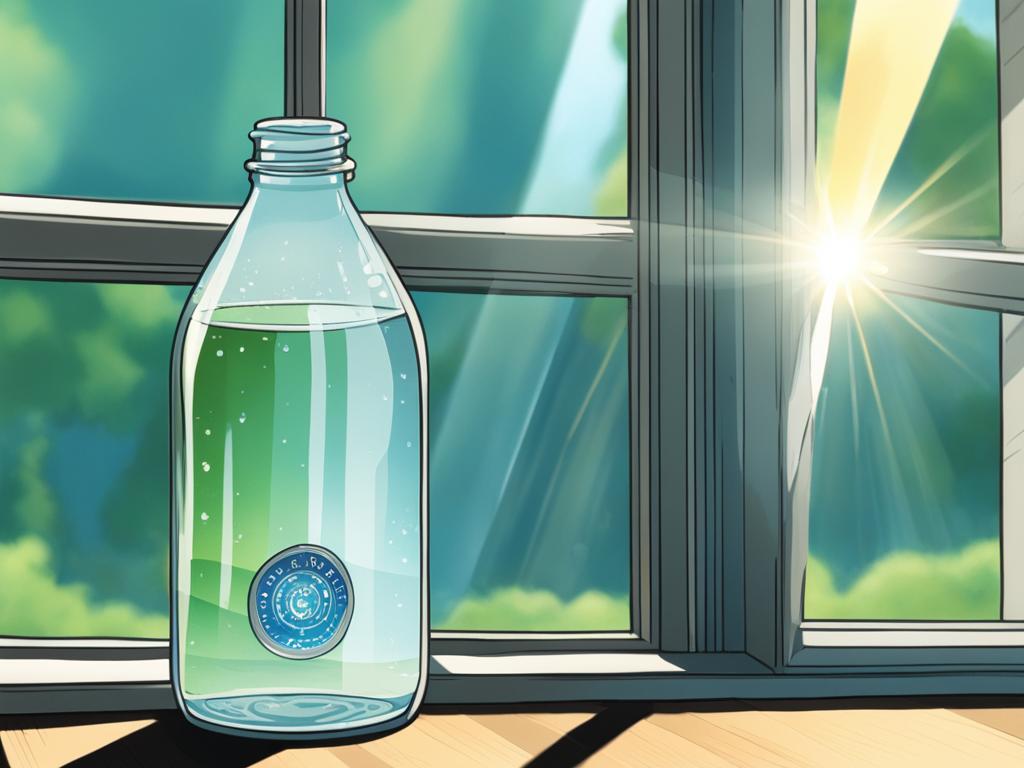
Understanding the lifecycle of tap water can inform how you approach tap water storage, ensuring that the drinking water lifespan meets expectations for safety and taste. Many factors can influence proper water storage, but with the right knowledge, you can make informed decisions that extend your water’s usability.
The Safe Consumption Period for Tap Water
When it comes to tap water stored at home, you’re dealing with a hidden timer on water quality. Typically, you can expect a safe consumption window of up to six months. This duration ensures that the water remains in a condition that is suitable for drinking without the worry of adverse effects that can arise from stale or compromised quality.
Changes in Taste Over Time
Even properly stored water can develop an off-taste after a while. This is often due to carbon dioxide from the air reacting with the water and forming weak acids, leading to a stale or slightly acidic flavor. It’s a subtle reminder that drinking water lifespan isn’t solely about safety but also about enjoyment and refreshment.
Best Practices for Storing Tap Water
Ensuring your tap water remains potable involves more than just putting it in a container and forgetting about it. It’s crucial to store it in sanitized, food-grade containers and to label them with the filling date. Here are some suggestions for maintaining your water’s quality:
- Choose opaque containers to prevent light penetration, which can promote algae growth.
- Keep the water in a cool, dark, and dry place to prevent temperature fluctuations that can affect its taste.
- Refrain from storing water containers near any substances with strong odors or chemicals that could permeate the container and alter the taste or safety of the water.
Incorporating these practices into your routine can help extend the usage period and quality of your tap water.
| Storage Factor | Recommendation | Reason |
|---|---|---|
| Container Type | Food-grade, BPA-free | Prevents chemical leaching |
| Storage Location | Cool, dark environment | Minimizes growth of algae and bacteria |
| Container Condition | Sanitized and sealed | Keeps the water clean from contaminants |
| Labeling | Date and contents | Helps track the water’s lifespan |
Remember, the way you store your tap water can have a significant impact on its taste and safety. By following these guidelines, you can ensure that your tap water remains clean, fresh, and enjoyable for as long as six months from the date of storage.
Understanding Bottled Water Expiration Dates
When you pick up a bottle of water, you might notice its expiration date and wonder about its significance. Let’s take a dive into what these dates mean and why it’s vital to be mindful of them.
The Origin of Bottled Water Expiration Dates
Did you know the concept of an expiration date on bottled water can be traced back to a 1987 law in New Jersey? Although that law has since been repealed, these dates have stuck around. They’re not so much about water going bad—they’re more for companies to manage their stock. However, they can serve as useful benchmarks for you to consider the safety and taste of your water.
Potential Health Risks from Expired Bottled Water
It’s essential to underscore that bottled water expiration isn’t about the water itself degrading, but rather the bottle. Over time, plastic can break down and leach substances like BPA into the water—a process that can be expedited by factors like heat and light exposure. This plastic leaching raises concerns over potential health risks, particularly if bottled water is consumed well past its expiration date. Be aware of these risks and use dates as guidelines to ensure your drinking water remains safe.
| Plastic Type | Susceptibility to Leaching | Health Risk Potential |
|---|---|---|
| PET (Polyethylene Terephthalate) | Low with proper storage | Minimal if not exposed to heat or high temperatures |
| PVC (Polyvinyl Chloride) | High due to plasticizers | Potential endocrine disruption from leached phthalates |
| PC (Polycarbonate) | Can leach BPA with wear and tear | Elevated risk with prolonged storage and exposure to heat |
Utilizing this information, you can make more informed decisions about how and when to consume bottled water to minimize health risks and ensure the quality of your hydration. Always ensure your plastic bottles are stored in a cool, shaded, and dry place, away from contaminants and chemicals that could affect the taste and purity of the water within.
Does Water Expire in Plastic Bottles?
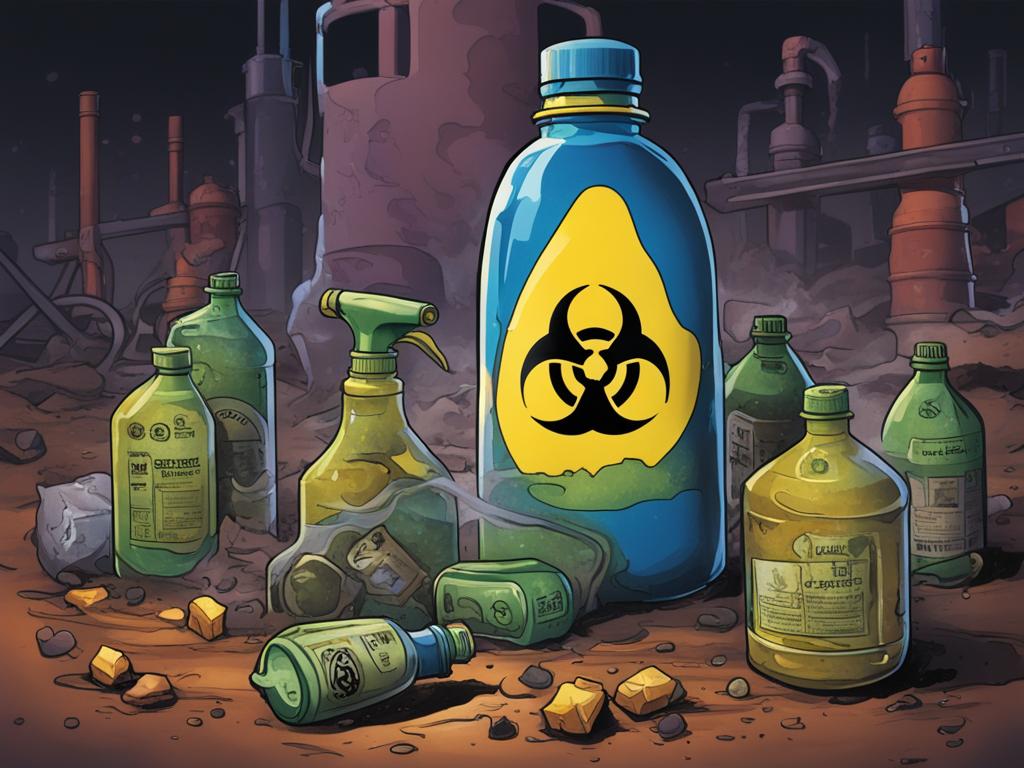
When you reach for that bottle of water tucked away in your car, you might wonder about its shelf life and the effects of the plastic water bottles it’s contained in. While water itself is timeless, the containers we use are not immune to the ravages of time. Under certain conditions, notably when exposed to heat and sunlight, these bottles can break down and potentially cause chemical contamination.
As the plastic degrades, substances like microplastics and BPA can leach into the water, possibly imparting a noticeable change in taste or odor. Although occasional consumption isn’t likely to be harmful, you should be cautious if water from plastic bottles will be your main source of hydration over a long period, especially from bottles that have been subjected to harsh environments.
| Storage Factor | Impact on Plastic Bottles | Potential Chemical Release |
|---|---|---|
| High Temperatures | Accelerates plastic degradation | Increases likelihood of BPA and other chemicals leaching |
| Direct Sunlight | Weakens plastic integrity | Promotes microplastics and additive breakdown |
| Prolonged Storage | Heightens risk of contamination | Elevated levels of antimony and other harmful substances |
To minimize these risks, storing your bottled water in a cool, shaded place is strongly recommended. If you’re in doubt about the safety of your bottled water, trust your senses – if it tastes or smells off, it’s best to avoid drinking it. Being informed about the proper care for your bottled water ensures you can stay hydrated without the concern of chemical contamination compromising your well-being.
How to Store Bottled Water Safely
Ensuring your bottled water remains clean and fresh requires more than just finding a spot in the pantry. Understanding the importance of safe storage methods is essential to bottled water preservation and to avoid contamination. Let’s dive into the practices that will keep your bottled water at its best quality for as long as possible.
Optimal Temperature for Storage
To avoid the multiplication of bacteria and the degradation of the plastic bottle, it is important to store your water in conditions that are not conducive to these occurrences. A cool and stable environment, typically between 50-70°F (10-21°C), is ideal for preserving the integrity of your water. This keeps the water away from the warmer temperatures that encourage the leaching of compounds like BPA.
Shielding Water from Sunlight and Chemicals
The location of your water storage can significantly affect its quality. It’s crucial to place bottles out of direct sunlight to prevent the heat from facilitating chemical release into the water. Storing bottled water near household cleaners or other chemicals is a no-go; these substances can potentially seep through plastic, causing contamination. Instead, opt for a dedicated space in your basement, closet, or storage area for bottled water to ensure it remains untainted and safe for consumption.
- Keep in a shaded area to protect from UV rays
- Store away from any volatile chemicals or odorous substances
- Ensure the storage area maintains a consistent, cool temperature
By applying these straightforward guidelines, you’re not only ensuring the safety of your water but also contributing to eco-friendliness by reducing plastic waste. Your bottled water can remain a reliable source of hydration with a little bit of careful planning and management.
Bottled Water’s Shelf Life and FDA Regulations
When you pick up a bottle of water, you’re probably not just thinking about quenching your thirst; you’re also trusting that the water is safe to drink. Thanks to the FDA guidelines for bottled water regulations, you can sip with confidence knowing there are standards in place to ensure product safety. The Food and Drug Administration (FDA) mirrors the Environmental Protection Agency’s (EPA) standards for tap water, ensuring that bottled water is held to a stringent level of quality.
Interestingly, while other consumables have clear expiration dates, bottled water does not have such definitive coding. This often leads to the myth that water can ‘expire’ like milk or meat. However, the lack of an expiration date does not mean bottled water is immune to quality degradation over time. The industry uses dates on bottles for stock control purposes, rather than as a strict indicator of safety or quality.
The FDA has determined that there is no limit to the shelf life of bottled water as long as it is produced in compliance with regulations and remains unopened.
So, what does this mean for you, the consumer? It means that while the FDA doesn’t require an expiration date, it does emphasize the importance of proper storage. The conditions under which you store your bottled water can significantly impact its taste and quality, without necessarily affecting its safety.
- Keep bottles away from chemicals such as cleaning supplies
- Store water in a cool, dry area away from direct sunlight
- Use bottles made from BPA-free plastic to avoid potential chemical leach over time
Ensuring that these guidelines are followed will maintain the water’s safety and quality, giving you peace of mind whenever you take a refreshing drink.
Effective Strategies to Extend the Shelf Life of Water
Ensuring your water supply remains pure and potable for an extended period relies on embracing proven water storage techniques and stringent sanitization practices. By applying these methods, you effectively contribute to shelf life extension of this vital resource. Let’s dive into the specifics of how you can maintain the integrity of your stored water.
Sanitizing Containers for Water Storage
Choosing the right container is the first step in maintaining the quality of your water supply. Whether you’re opting for commercial water storage solutions or repurposing food-grade containers, sanitization is key. Here’s a brief guide:
- Wash containers with soap and rinse thoroughly with water.
- Sanitize with a solution of one teaspoon of unscented household bleach per quart of water.
- Let the sanitizing solution sit for at least one minute, then rinse the container with clean, potable water.
Adhering to these measures ensures that your water remains free of microbes and contaminants, thereby safeguarding your health and extending its usability.
Labeling and Rotation Tips for Water Supplies
Once your containers are sanitized, proper labeling and stock rotation are the next critical steps:
- Affix a label indicating the date of storage to monitor the duration your water has been stored.
- Practice the “first-in, first-out” rotation method: Use the oldest stored water first and replace with fresh supplies.
- Regularly inspect your stored water for clarity and presence of contaminants.
These simple but effective strategies will help you avoid the pitfalls of stale or tainted water, ensuring that you have access to refreshing, life-sustaining water when you need it most.
Identifying Risks: When to Discard Stored Water
Ensuring the water you’ve stored remains safe for consumption is crucial. Over time, water can become contaminated, which can pose serious health risks. It’s important to know the signs to look for and have discard guidelines at your fingertips, helping you to make informed decisions about the quality of your water. Understanding water quality assessment criteria and being vigilant for contamination signs are significant steps in maintaining your and your family’s health.
Detecting Contamination by Taste and Smell
If your stored water starts to taste off or has developed a strange smell, these could be signs of contamination. Chemicals, algal blooms, or bacterial growth can alter the taste and odor of water, indicating that it is no longer safe to drink. Boiling may neutralize certain contaminants, but if in doubt, it’s best to err on the side of caution and discard the water.
The Importance of Visual Inspection
Along with taste and smell, visual inspection is a non-negotiable part of water quality assessment. Look closely for changes in clarity such as cloudiness, or for any foreign particles floating in the water. These could indicate a breach in the container or a failure in the storage conditions, leading to contamination. What you see can be as telling as what you taste or smell when it comes to the safety of your water.
| Sign of Contamination | Recommended Action |
|---|---|
| Off taste or odor | Boil water or discard |
| Cloudiness | Discard immediately |
| Foreign particles | Discard immediately |
| Algal bloom | Discard immediately |
| Container breach | Discard and inspect all stored water |
Prolonging the Freshness of Carbonated Waters
As lovers of the delightful fizz of carbonated water, you understand the importance of keeping your sparkling water tasting as fresh as the day it was bottled. Adequate carbonated water storage is key to maintaining that brisk effervescence and delightful tang. Here, we share some freshness tips that go beyond basic storage, aimed squarely at ensuring peak flavor retention for your carbonated treasures.
Keeping the Fizz: Storing Sparkling Water
The secret to retaining the signature fizz in sparkling water lies in how and where you store it. The ideal location is a cool, consistent temperature setting away from sources of heat. A pantry or a cellar are perfect spots for your carbonated water storage, ensuring that each sip brings the anticipated bubbly sensation. Keep in mind that significant temperature fluctuations can expedite carbonation loss, so choose your storage area wisely.
Anticipating Flavor Changes in Carbonated Water
It’s natural for the flavor of carbonated water to evolve over time. This is often due to the gas exchange that occurs even when bottles are tightly sealed, resulting in subtle changes that might affect your sensory experience. By recognizing that these changes can occur, you set realistic expectations on the shelf life of your favorite fizzy drinks. Here’s a quick reference table to help you gauge the relationship between storage conditions and flavor quality:
| Storage Factor | Impact on Carbonation | Impact on Flavor |
|---|---|---|
| Temperature | High temperatures reduce carbonation. | Warmer conditions may lead to a flat taste. |
| Light Exposure | Sunlight can degrade carbonation over time. | Exposure to UV rays may alter the water’s flavor. |
| Storage Time | Extended storage can reduce fizz, especially past best by date. | Flavors can diminish, leaving the water tasting bland. |
By adhering to these freshness tips, you can confidently enjoy the vibrant zest of your sparkling waters for as long as possible. Always remember to take note of the best before dates and keep up with optimal storage practices for the fizziest and most flavorful experience from every bottle.
Conclusion
As we have explored throughout this article, while water itself does not expire, the conditions under which it is kept are pivotal to preserving its freshness and safety. Wrapping up our discussion, we dispel the expiry myths and establish practical advice to ensure that your water remains a safe and pleasant part of your daily life. By addressing external factors such as packaging, storage, and environmental influences, we cast light on how to maximize water’s longevity and minimize potential health risks.
Summary of Water Expiration Facts
The takeaway from this conversation is simple yet significant: water, in essence, defies expiry, yet its containment has a paramount role in defining its shelf life. Bottled water comes with a date stamped for a reason, mostly for inventory and quality control, not because the water inside can ‘go bad’ in a traditional sense. On the other side, tap water, when stored under the right conditions, is best used within six months, safeguarding its quality and taste.
Final Tips for Water Safety and Storage
Your approach to storing water can play a crucial role in keeping it suitable for consumption. Stick with safe consumption practices—store your water securely in a space that’s cool, dry, and shielded from direct sunlight to curb the risk of contamination. Keep bottled water away from potential chemical contamination, and don’t forget to periodically inspect your water supplies. With these habits, you’re not just storing water; you’re ensuring peace of mind that your essential water supply remains uncompromised and at the ready for your use.
FAQ
Does water have an expiration date?
Water itself does not expire, but factors such as the materials used for packaging and the conditions under which it is stored can affect its safety and taste over time.
What is the safe consumption period for tap water?
Tap water, when stored properly, can be safely consumed within a six-month period. After this time, its taste may change, but it generally remains safe to drink if no contamination occurs.
How should I store tap water to ensure its safety?
To maintain the safety of tap water, store it in sanitized, food-grade containers, clearly label it with the date of storage, and keep it in a cool, dark, and dry place away from contaminants.
Why do bottled water products have expiration dates?
Bottled water expiration dates trace back to a previously enforced law in New Jersey and have become an industry standard. While not legally required, these dates help with inventory control and serve as a guideline for when the quality of the water might begin to deteriorate due to plastic leaching.
What are the potential health risks associated with expired bottled water?
Storing bottled water past its expiration date can increase the risk of chemical leaching from the bottle, such as BPA and antimony, which may pose health risks and affect the taste of the water.
What is the optimal way to store bottled water?
For optimal storage, keep bottled water in a cool environment, away from direct sunlight, and separated from household chemicals to reduce the risk of harmful chemicals leaching into the water.
Are there FDA regulations regarding the shelf life of bottled water?
No, the FDA does not mandate expiration dates for bottled water as it does not have a definitive shelf life. However, the FDA does ensure that bottled water complies with EPA drinking water standards for consumer safety.
How can I extend the shelf life of my stored water?
To extend the shelf life of water, use clean, sanitized containers, label them with the storage date, keep them away from heat and contaminants, and regularly rotate your water supply.
When should I discard stored water?
Stored water should be discarded if there are signs of contamination, such as an odd taste, smell, or appearance. Inspecting the water visually for cloudiness or foreign particles also helps to determine if it remains safe to drink.
How can I maintain the quality of carbonated waters during storage?
To preserve the fizz and flavor of carbonated waters, store them in a consistent cool temperature away from heat and sunlight, and be aware that their taste can naturally change over time.
Leave a Reply
You must be logged in to post a comment.