
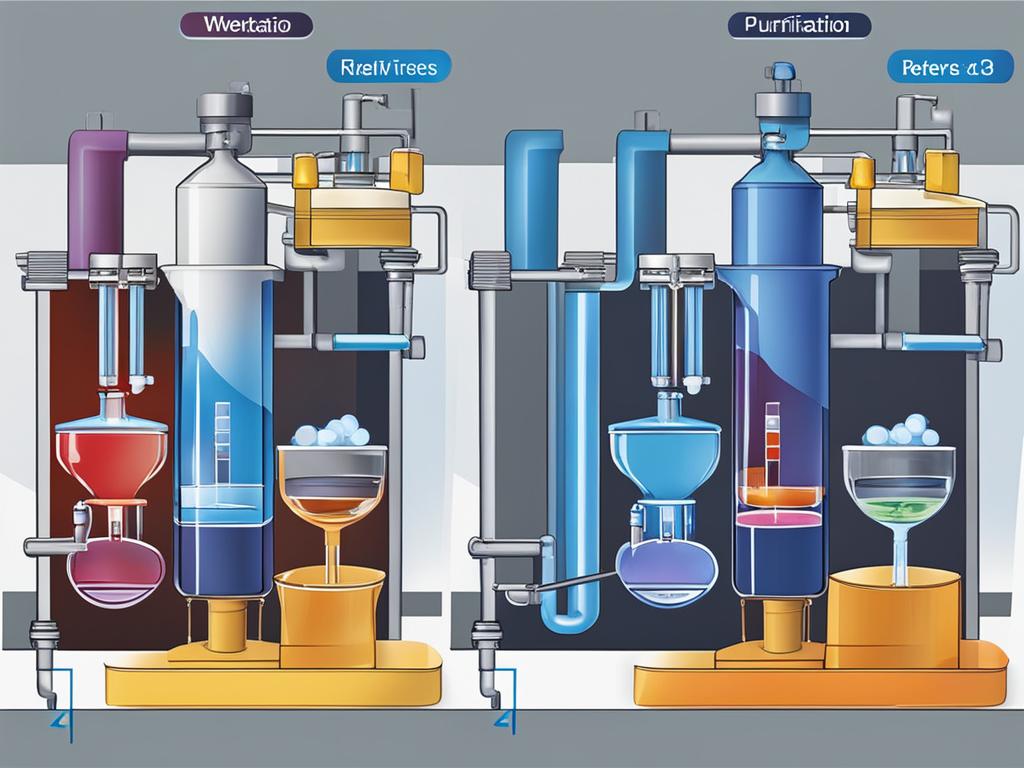
When it comes to ensuring drinking water safety and achieving the purest water consumption, you have a sea of choices. But, have you ever found yourself pondering whether distilled water or purified water is the superior pick for your health and hydration needs? Let’s dive into the world of water purification methods to untangle this hydrating conundrum.
Key Takeaways
- Understanding the distinction between distilled and purified water is crucial for informed consumption.
- Purified water undergoes processes to remove potential contaminants and ensure safety.
- Distilled water is purified even further by boiling and steam collection, making it one of the purest forms available.
- The choice between the two can depend on factors such as taste preference, mineral content, and environmental considerations.
- Staying informed about regional water quality standards can guide you to the best water choice for your well-being.
The Importance of Optimal Water Intake for Health
Understanding the significance of hydration is crucial for your health. The human body is intricately reliant on water for all cell functions, and not just any water, but water that is clean and free of contaminants. Your daily water intake is more than a mere guideline; it is essential for maintaining equilibrium within your body. Maintaining proper hydration ensures that nutrients are delivered to cells, toxins are removed, organs function optimally, and energy levels are stable.
While tap water meets safety standards in most cases, it’s important to consider how purification might further enhance the quality of your drinking water. Water that has undergone purification processes can offer a more refined hydration experience, ultimately contributing to the better performance of your body’s cells and organ systems. Here’s a glance at the recommended daily water intake and why it matters:
| Age Group | Daily Recommended Water Intake | Benefits of Adequate Water Intake |
|---|---|---|
| Children 4-8 years | 5 cups (40 oz) | Supports growth, cognitive function, and digestive health |
| Men 19-30 years | 13 cups (104 oz) | Facilitates muscle function, energy maintenance, and mental alertness |
| Women 19-30 years | 9 cups (72 oz) | Enhances skin health, supports reproductive system, aids in weight management |
| Pregnant Women | 10 cups (80 oz) | Crucial for fetal development, reduces risk of urinary tract infections |
| Seniors over 65 years | 7 cups (56 oz) | Promotes kidney health, prevents constipation, assists in joint lubrication |
Remember, your individual needs may vary depending on factors such as your health status, activity level, and the climate you live in. Staying attentively hydrated supports health and vitality, and the quality of water you consume plays just as critical a role as quantity. Elevate your hydration habits by ensuring your daily water intake is met with quality water, emphasized through the rigorous standards of purification.
Understanding Purified Water and Its Sources

When it comes to maintaining your health, one of the most fundamental components is the water you consume. Purified water, often originating from sources like groundwater or municipal supplies, undergoes several stages of treatment to rid it of various impurities. Ensuring safe drinking water access is a shared goal, upheld by rigorous WHO standards, yet the disparity in access is a global concern.
Methods Used to Purify Water
Water purification techniques are varied and sophisticated, designed to address the unique challenges each type of impurity presents. From physical processes to chemical reactions, the science behind providing safe, contaminant-free water is both fascinating and essential. Let’s dive into these purification techniques and understand how they contribute to making water safe for consumption.
- Coagulation and Flocculation – Binding suspended particles together for removal
- Sedimentation – Allowing the aggregated particles to settle out of water
- Filtration – Straining water to remove dissolved particles
- Disinfection – Using chlorine or other methods to kill bacteria and viruses
These methods brilliantly collaborate to ensure that the water flowing from your taps complies with health guidelines and is free from undesirable contaminants.
Global Standards and Access to Purified Water
WHO standards are universally recognized benchmarks for water quality, setting safe drinking water thresholds that all purification efforts aim to meet or exceed. However, despite these standards, not everyone has the privilege of accessing purified water. More than 2.1 billion people face challenges in obtaining water that meets these global standards, reflecting a pressing need for more inclusive water distribution efforts.
| WHO Standard | Description | Impact |
|---|---|---|
| Microbiological purity | Absence of pathogens | Prevents waterborne diseases |
| Chemical safety | Regulation of toxin levels | Guards against chemical poisoning |
| Radiological safety | Monitoring of radioactivity | Protects from long-term health risks |
These standards are more than guidelines; they represent a commitment to global health and well-being. As technological advancements in water purification continue, the hope for universal access to clean and safe drinking water inches closer to reality, a pursuit that we all share responsibility for.
Health Benefits of Drinking Purified Water
Exploring the advantages of healthy drinking water is not just about quenching thirst—it’s about safeguarding your health. Water filtration benefits go beyond just taste and odor. They play a significant role in providing a reliable line of defense against trace contaminants that may find their way into your glass. Let’s dive into how purified water can impact your well-being.
Reduced Contaminant Levels and Risks
One of the primary reasons to opt for purified water is its ability to significantly reduce the presence of harmful substances. Whether it’s lead from old pipes or pesticides leached into groundwater, water purification systems are designed to tackle a broad spectrum of potential health threats. By removing these contaminants, purified water reduces the risk of long-term health problems, supports your immune system, and facilitates overall wellness.
Implications of Chlorinated Water Consumption
Chlorine is commonly used to disinfect water supplies, but its residual presence in your drinking water can be unsettling. Excessive exposure to chlorinated water has been linked to certain health concerns. Systems that include charcoal filtering can lower chlorine levels, mitigating the risks associated with its consumption and leaving you with nothing but refreshingly clean water.
In the table below, we’ve outlined some of the key benefits you can expect when switching to purified water:
| Benefit | Description |
|---|---|
| Enhanced Safety | Minimized exposure to potential contaminants like heavy metals, bacteria, and viruses. |
| Better Taste | Removal of unpleasant tastes from metals, chlorine, or organic compounds. |
| Healthier Lifestyle | Supporting a strong immune system by reducing intake of harmful substances. |
| Lower Chlorine Levels | Decrease in potential health risks associated with long-term chlorine consumption. |
Ultimately, purified water is about delivering peace of mind with every sip. By choosing to invest in a water filtration system, you’re not just choosing better tasting water; you’re contributing to a healthier lifestyle for yourself and your family.
Potential Downfalls of Purified Water

While purified water vastly improves the safety and taste, it’s not without its drawbacks. One topic that often comes under scrutiny is the fluoride in drinking water. Fluoride, naturally present in water and added to municipal supplies for dental health benefits, can be reduced or eliminated in the purification process. This leads to concerns about increased dental health issues in populations that rely solely on purified water.
Moreover, water purification system maintenance can be a cumbersome and expensive undertaking. Regular upkeep, crucial for the system’s efficacy, involves changing filters or servicing parts, which not only adds up in costs over time but can generate significant water waste. In addition, these maintenance activities often result in environmental impact from discarded components, such as plastic parts and used filters.
It’s not uncommon to find that despite best efforts in purifying water, certain systems fail to remove all contaminants. This can be particularly true for systems that are poorly maintained or not adequately suited for the type of contaminants present in the water supply.
| Maintenance Aspect | Cost | Environmental Impact | Frequency |
|---|---|---|---|
| Filter Replacement | Medium to High | Plastic Waste Creation | Every 3-6 Months |
| System Servicing | High | Use of Cleaning Chemicals | Annually |
| Parts Replacement | Variable | Electronic Waste | As Needed |
Opting for bottled purified water, while convenient, contributes to the growing problem of plastic pollution. Consequently, understanding these potential downfalls is essential for making an informed decision about your drinking water.
You are encouraged to weigh the environmental considerations while considering the health implications and maintenance demands. In doing so, you’ll contribute to the mindful consumption of resources and help promote a sustainable lifestyle.
What Is Distilled Water?

When you hear about pure distilled water, it’s referring to water that has undergone the distillation process. This meticulous procedure involves heating water to the boiling point and then cooling the resulting steam back into a liquid form. The process is highly advantageous because it removes virtually all types of impurities, including bacteria, viruses, protozoa, and chemical pollutants. This level of purity is why distilled water is not just for drinking—it’s essential for medical and laboratory use where precision and cleanliness are paramount.
The necessity of having water free from contaminants cannot be overstated in environments like hospitals and research facilities. A single impurity can alter the outcome of a critical experiment or pose a significant health risk to patients. Therefore, the dependability of the distillation process to produce pure distilled water is why professionals in these fields rely on it extensively.
- Medical Equipment: In hospitals, distilled water is used to avoid calcification in sensitive machinery.
- Pharmaceuticals: The consistency and purity of distilled water are essential in the formulation of medicines.
- Laboratory Procedures: It’s crucial in labs for preparing solutions and cleaning glassware to prevent cross-contamination.
For these reasons, the distillation process is not just a method but a necessity for specialized applications that demand the highest standards of purity.
Distilled Water vs Purified Water: Exploring the Differences

When you’re taking a deep dive into the world of water, it’s crucial to understand the specific details that differentiate purification versus distillation. Making an informed choice requires insight into how each method works and its effects on the water you consume. Let’s delve into the two processes and examine both the distilled water benefits and potential concerns, particularly mineral depletion in water.
Comparing the Purification Processes
Purification involves various techniques such as carbon filtering, reverse osmosis, and ultraviolet light to eradicate impurities. On the flip side, distillation boils water to produce steam, which is then cooled to revert back to liquid, leaving most contaminants behind. Distillation is often regarded as one of the purest forms of water-purifying because it removes a wider array of impurities compared to other methods. Yet, the practicality of each process for home or commercial use may sway your decision on which type to choose.
Benefits and Risks of Each Water Type
Consuming distilled water offers perks, especially when you consider its use in avoiding the ingestion of potentially harmful substances found in unfiltered water. However, a notable downside here is its mineral depletion in water. It’s worth noting that the absence of minerals like calcium and magnesium might not be the best for everyone, particularly for those who rely on their daily water intake as a significant source of these nutrients. Purified water, while less aggressive in mineral removal, may retain some of these essential elements, depending on the purification techniques applied.
Ultimately, your choice may pivot on various factors, including taste preference, the specific mineral content of your local water, and individual health needs. While both distilled and purified waters have elevated levels of purity, assessing the benefits against the risks in the context of your lifestyle will guide you to the most suitable option for maintaining optimal hydration and health.
Should You Choose Purified Water Over Regular Water?

When you turn on your tap at home, you might not think twice about the safety of the water that flows out. Thanks to stringent drinking water regulation disparities across different regions, the quality of tap water can be generally considered safe for consumption. Despite this, tap water safety and water quality concerns remain essential considerations for your health and well-being. Occasional violations and contamination through infrastructure or natural sources sometimes cast doubt over the reliability of regular water.
How Public Drinking Water Regulations Affect Your Choice
Public drinking water is managed under a variety of regulations that are meant to keep you safe. However, these regulations may vary greatly, which can influence your decision to switch to purified water. Moreover, instances of waterborne diseases and pollutants like lead have been found in places where regulations are less enforced, triggering concerns that lead to people preferring purified variants for an added layer of protection.
Considering Personal Health Factors in Your Decision
Whether to choose purified water over regular water may also come down to personal health considerations. Especially for those with weakened immune systems, the elderly, or individuals with chronic illnesses, the slightest impurity in water can pose significant risks. Here, purified water might not just be a choice but a necessary precaution.
| Consideration | Regular Tap Water | Purified Water |
|---|---|---|
| Regulatory Standards | Varies by location | Consistent quality |
| Contaminant Level | Subject to local infrastructure | Reduced to almost none |
| Sensitive Populations | Risks for immunocompromised | Safer option for health concerns |
| Environmental Impact | Lower | Depends on purification method |
| Personalization | Limited options | Customized solutions available |
Being informed and aware of these factors can guide you towards a decision that best suits your health needs and lifestyle preferences. Remember that while regular tap water is often safe and convenient, the pursuit of the highest water quality might lead you to choose a purified alternative.
Applications and Uses of Distilled Water Beyond Drinking

When you think of distilled water, your mind may immediately turn to its consumption for purity and health benefits. However, distillation applications extend far beyond drinking. The high purity of distilled water makes it indispensable in settings where even the slightest impurity can have significant consequences. Let’s explore some of the most prominent non-consumptive uses of distilled water that illustrate its versatility and importance across various industries.
In laboratories, for instance, distilled water is a fundamental resource. The absence of impurities prevents the possibility of contaminating chemical reactions or affecting the accuracy of experiments. Similarly, medical facilities rely on distilled water for sterilizing equipment, mixing medications, and even in dialysis processes. Industrial settings, particularly those involving manufacturing electronics, necessitate distilled water to avoid mineral deposits on delicate components. Below is a table detailing some common applications of distilled water:
| Industry/Application | Use of Distilled Water | Importance |
|---|---|---|
| Healthcare | Sterilizing instruments, mixing medications | Prevents infection and ensures medication purity |
| Laboratories | Chemical reactions, sample preparations | Guarantees precise results and avoids contamination |
| Automotive | Cooling systems, lead-acid batteries | Prevents corrosion and scale buildup |
| Electronics | Cleaning circuit boards, manufacturing processes | Essential for avoiding residues that could lead to equipment failure |
| Food and Beverage | Food processing, diluting concentrates | Ensures product purity and safety |
| Cosmetics | Product formulation | Improves shelf life and prevents bacterial growth |
In the world of cosmetics, distilled water contributes to prolonging the shelf life of products and preventing unwanted bacterial growth. Focusing on the food and beverage industry, it is used in food processing, where water purity directly affects the flavor and quality of the product. In essence, the utilization of distilled water is a critical factor for industries requiring precision, safety, and purity.
While the importance of hydration should never be undervalued, understanding the wide-ranging distillation applications enhances your recognition of the integral role that non-consumptive uses of distilled water play in our daily lives, even beyond our health and nutrition.
Environmental Impacts of Distilled and Purified Water Production
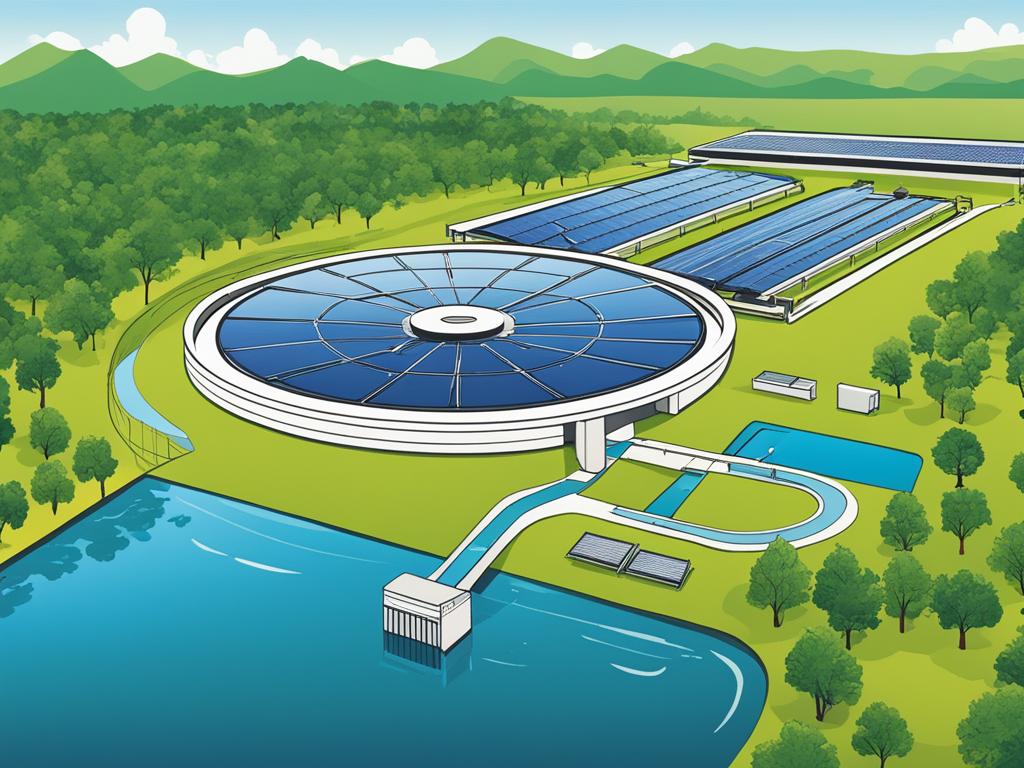
As you explore water treatment options, considering the sustainability of water purification is essential. With growing concerns over water scarcity and energy consumption, analyzing the ecological footprint of distilled and purified water becomes vital. Both processes offer eco-friendly water options to a point, but their impacts on the environment vary significantly.
Energy Expenditure in Water Distillation
Distillation is notorious for its high energy demand. The process involves heating water to the boiling point and then condensing the vapor, which requires substantial energy input. This not only affects the cost but also the carbon footprint of producing distilled water. It’s imperative to weigh these factors if you’re leaning towards a more eco-conscious lifestyle.
Environmental Considerations of Water Purification Methods
While distilled water might be the purest form, other purification methods like reverse osmosis or activated carbon filters provide a middle ground between purity and environmental impact. These methods not only consume less energy but also help mitigate plastic waste by reducing reliance on bottled water. Below is a comparison of different purification methods and their environmental implications.
| Method | Energy Use | Waste Produced |
|---|---|---|
| Distillation | High | Minimal to None |
| Reverse Osmosis | Moderate | Minimal to Moderate |
| Activated Carbon Filters | Low | Minimal to Moderate |
| Bottled Water | Variable | High (Plastic Bottles) |
In conclusion, your choice in water purification method has both direct and indirect effects on the environment. It is crucial to consider these environmental factors alongside the benefits to ensure that your water consumption aligns with your sustainability values.
Cost and Accessibility: Distilled vs Purified Water

When considering a home water solution, you might weigh the benefits of pure drinking water against the financial implications. Whether it’s distilled or purified water, each option carries its own set of expenses and considerations, from initial setup to ongoing costs. Understanding these details is crucial for determining the most cost-effective and convenient choice for your household’s water consumption.
Analyzing the Cost-benefit of Water Purification Systems
Investing in an in-home water treatment system can contribute significantly to your quality of life, granting you access to pure water at all times. However, there’s more to consider than the purchase price. Maintenance, replacement filters, and energy use all add up, impacting the total water purification costs. Compare different systems, including reverse osmosis and distillation units. Evaluate their long-term benefits, like health savings and reduced bottled water purchases, to understand their true value.
Availability of Distilled and Purified Water for Consumers
The marketplace offers an array of options for obtaining distilled and purified water. Bottled water, a popular choice, provides convenience but at a higher expense and with environmental drawbacks. On the other hand, accessibility to in-home water treatment systems has increased, allowing consumers a more eco-friendly and potentially cost-saving method of ensuring safe, clean drinking water right from their taps.
- Initial costs and installation fees for home water purifiers
- Ongoing maintenance requirements and filter replacements
- Energy efficiency and operating costs
- Environmental impact and waste considerations
- Convenience and ease of access in daily use
By examining these points carefully, you can make a well-informed decision that aligns with your lifestyle and financial plan, ensuring you have access to healthy drinking water without placing undue burden on your budget or the environment.
Conclusion
When it comes to choosing water types, the deliberation extends beyond mere thirst-quenching; it touches upon your health and the welfare of the environment. The journey we’ve taken through the realms of distilled and purified water sharpens the realization that what you drink can be as significant as the food you consume. Distilled water, free from a vast array of contaminants, offers purity that is conducive for specific health requirements and medical applications. Meanwhile, purified water provides a safety net by reducing various contaminants that can sneak into your glass through public water systems.
Your decision should not only be informed by health considerations but also by practicality and eco-consciousness. Reflect on the environmental impact of regular consumption, keeping in mind the production and disposal processes related to these waters. While both distilled and purified options present a sustainable choice over untreated tap water, each carries a different footprint and efficacy level. Balancing health benefits against environmental sustainability and cost is not just prudent—it’s essential for informed, responsible consumption.
In essence, your optimal choice is one that harmonizes with your lifestyle, health objectives, financial plan, and ethical stance on environmental stewardship. Equipped with knowledge of the benefits and limitations associated with distilled and purified water, you are now empowered to make a discerning selection. Remember, the purity of water can journey well beyond the clear liquid—it’s about clarity in your health, conscience, and the world you inhabit.
FAQ
What is the difference between distilled water and purified water?
Distilled water is produced by boiling water and then condensing the collected steam back into a liquid, which removes impurities and separates the water from contaminants. Purified water, on the other hand, is water that has undergone several processes like filtration, reverse osmosis, or chlorination to remove impurities and contaminants but might retain some beneficial minerals that distilled water does not.
Why is hydration important for my health?
Hydration is crucial because water is a fundamental part of cells, tissues, and organs in the body. It helps maintain the balance of bodily fluids, improve brain function, regulate body temperature, digest food, eliminate waste, and cushion joints. Adequate daily water intake is essential to ensure these functions work properly.
What methods are used to purify water?
Common water purification methods include filtration, sedimentation, distillation, and disinfection. Techniques like carbon filtering, reverse osmosis, and ultraviolet light also contribute to the purification process.
Are there global standards for safe drinking water?
Yes, global standards for safe drinking water are set by organizations like the World Health Organization (WHO), which provide guidelines for water quality to ensure safety and prevent health hazards.
How does drinking purified water benefit my health?
Purified water is free from harmful contaminants such as bacteria, viruses, heavy metals, and chemical pollutants, which can pose health risks. This makes it a healthier choice, potentially reducing the risk of diseases associated with contaminated water and contributing overall to your wellbeing.
What are the implications of consuming chlorinated water?
Chlorine is used to disinfect water but its presence can lead to a specific taste or odor that some find unpleasant. There’s also some concern that long-term consumption of chlorinated water may be linked to certain health issues, such as increased risk for some types of cancers, which is why many opt for water purification to reduce chlorine levels.
Can water purification systems remove all types of contaminants?
No purification system is perfect; different systems target different contaminants. Some may not remove certain pesticides, solvents, or heavy metals, so it’s important to understand the specifics of your purifier and possibly supplement it with additional purification methods if necessary.
Does drinking distilled water have any health risks?
While distilled water is one of the purest forms of water, stripping away impurities also means removing trace minerals like calcium and magnesium, which are beneficial to health. Some people worry that consuming exclusively distilled water can lead to mineral deficiencies, although the overall risk depends on the rest of your diet.
How do local water quality standards affect whether I should drink purified water?
The safety and quality of tap water can vary greatly based on local regulations, environmental factors, and treatment methods. In areas where local water quality standards may be lax or the water supply is contaminated, purified water can provide an additional layer of protection against health risks.
What non-consumptive uses are there for distilled water?
Distilled water is used in a variety of non-consumptive applications due to its high purity, such as in medical settings, laboratories, and industrial environments where mineral deposits can cause damage or contaminate results. It’s also used in automotive cooling systems and in the care and maintenance of lead-acid batteries.
What environmental impacts should I consider when choosing distilled or purified water?
The distillation process can be energy-intensive, leading to a higher carbon footprint, and certain purification methods, especially those involving bottled water, contribute to plastic waste. It’s important to weigh these environmental considerations against the benefits of purified or distilled water.
How do I decide if investing in a home water purification or distillation system is worth it?
Consider factors such as the initial financial investment, ongoing maintenance costs, the quality of your local tap water, your health needs, and any environmental impacts. Additionally, evaluate the convenience and potential long-term savings compared to buying bottled water.
What key factors should I consider when choosing between distilled, purified, and tap water for consumption?
Consider the water quality in your area, potential health risks from contaminants, cost and accessibility of water purification or distillation systems, personal taste preference, and environmental factors such as the sustainability of the production and disposal process for purified and distilled water options.
Leave a Reply
You must be logged in to post a comment.