

Ever wondered why your glasses emerge from the dishwasher with spots or why your laundry feels stiff after a wash? You’re likely dealing with hard water—a term that might seem strange without context. Let’s navigate through the foggy waters of household water quality, seeing why hard water isn’t just about what flows from your faucet, but about the mineral content that tags along. As we dive into hard water explained, you’ll learn that while it’s safe to consume, it certainly does play a formidable role in your daily routine and the longevity of your home appliances. Grasping what contributes to water hardness is your first step in tackling its nuisance head-on.
Key Takeaways
- The mineral duo of calcium and magnesium are the leading actors in the drama of hard water.
- While hard water doesn’t pose health threats, it can leave its mark on your household water fixtures and chores.
- Understanding water hardness is pivotal in knowing how it might affect everything from your morning shower to the efficiency of your water heater.
- Uneven soap lathering and limescale buildup can be your cues to investigate the quality of your water.
- Exploring hard water explained is the first step to managing its presence and minimizing its impact on your household.
The Basics of Hard Water
When you hear the term “hard water,” you may envision something less than what you would typically expect from your faucets. Yet, hard water is more common than you might think and understanding its fundamentals can play a crucial role in maintaining your home’s water quality. Let’s dive into what defines hard water, the minerals predominantly responsible for its hardness, and how its presence is measured.
Defining Hard Water
Defining hard water is essential in grasping how it affects your daily life. Essentially, hard water contains a higher than average mineral content. This is a natural occurrence as the water percolates through deposits of limestone and chalk which are largely composed of calcium and magnesium carbonates, leading to a higher concentration of these minerals in your water supply.
Common Minerals in Hard Water
Calcium and magnesium are the principal culprits when it comes to hard water. These minerals are leached from the earth into the groundwater and existing water supplies. They play a significant role by impacting soap’s ability to suds up and leaving behind those challenging mineral deposits on fixtures.
How Hard Water is Measured
The measurement of water hardness is often expressed in grains per gallon (gpg) or parts per million (ppm). These units quantify the concentration of calcium and magnesium, granting you a clear picture of how hard your water is. It’s useful to note that one gpg is equivalent to 17.1 ppm. The following table outlines the categorization of water hardness.
| Classification | Hardness in Grains per Gallon | Hardness in Parts Per Million |
|---|---|---|
| Soft | 0 – 1 gpg | 0 – 17.1 ppm |
| Moderately Hard | 1.1 – 7 gpg | 18.6 – 119.9 ppm |
| Hard | 7.1 – 10.5 gpg | 121 – 179.5 ppm |
| Very Hard | 10.5+ gpg | 180+ ppm |
By identifying the level of water hardness, you can better decide on the need for treatment options to soften your water, thus protecting your appliances and improving your overall water usage experience.
What Is Hard Water

Ever wondered why your taps get coated with a filmy residue, or why your freshly washed clothes feel stiff? Water hardness explained simply refers to the presence of high levels of minerals, notably calcium and magnesium, in your water supply. This mineral-rich water is safe to drink, but it can have significant hard water impact on your household.
The term ‘hard water’ seems technical, but it impacts aspects of your daily routine. For instance, when you lather soap, these minerals interfere and instead of a smooth foam, you end up with soap scum. Over time, this can lead to clogged pipes and diminished efficiency of water-based appliances. Let’s look closer at the direct impacts of hard water on your day-to-day life:
- Limescale buildup on faucets and fixtures
- Decreased efficiency of water heaters
- Impaired cleaning ability of soap and detergents
- Potential for clogged pipes and reduced water flow
- Possible skin irritation due to residue left on the body and hair after washing
Understanding water hardness explained in practical terms means recognizing how these dissolved minerals can lead to the gradual wear of your appliances, plumbing, and even affect the sensation of cleanliness on your skin and clothing. It’s this compound effect on your home and lifestyle that brings the study of hard water’s properties to the forefront of homeowner concerns.
How Hard Water Affects Your Home

The scale and scope of hard water impact on your home are not to be overlooked. Tap water heavy with minerals may be deemed safe for consumption, yet it comes with its own set of household woes. From the appliances you use daily to the very pipes hidden in your walls, the effects of hard water are pervasive and enduring.
Household Appliances and Hard Water
Appliances that use water such as your dishwasher and washing machine suffer silently from the hard water impact. They struggle against the limescale buildup that not only impairs functionality but also leads to a reduced lifespan. This results in frequent repairs or replacements which can be hard on your wallet.
Hard Water and Plumbing Systems
Plumbing systems bear the brunt of hard water by accumulating mineral deposits inside the pipes. Over time, these deposits can restrict water flow, or worse, cause clogs and high water pressure that breed leaks and bursts. Insidious limescale can even wreak havoc on your boiler’s efficiency, shooting your energy bills through the roof.
Laundry, Dishes, and Bathing
Discoloration and a feeling of stiffness in your laundry, soap scum on your freshly washed dishes, and a film that clings to your skin and hair after bathing—are all too common signs you’re dealing with hard water. The minerals in the water react with soap and detergent, reducing their effectiveness and leaving behind white spots and streaks that no homeowner is fond of.
Here’s a snapshot of how hard water impacts various aspects of your home life:
| Aspect | Effect of Hard Water | Long-term Impact |
|---|---|---|
| Appliances | Efficiency loss, frequent repairs | Higher operating costs, early replacement |
| Plumbing | Reduced water flow, potential leaks | Costly maintenance, water damage |
| Laundry | Rough textures, dull colors | Decreased fabric lifespan, increased detergent use |
| Dishes | Water spots, streaks after cleaning | Additional rinsing and cleaning required |
| Bathing | Soap scum residue on skin and hair | Dry skin, dull hair, increased soap use |
It’s clear that left unchecked, hard water can have compounding effects on your home. Take the necessary steps to mitigate these impacts, ensuring a comfortable and efficient living space for you and your family.
Identifying Hard Water: Signs and Symptoms

Are you familiar with the struggle of dealing with spotty dishware or feeling a film on your skin after showering? You might be experiencing signs of hard water in your home. Spotting hard water early on can save you from a host of troubles down the line. Let’s take a look at some common hard water symptoms that you should be on the lookout for:
- Residue on faucets and showerheads: This crusty buildup is a dead giveaway that high mineral content is present in your water.
- Limescale in your appliances: Check your kettle or coffee maker for any white, chalky deposits.
- Soap scum on bath and shower surfaces: Hard water prevents soap from lathering properly, leaving behind a filmy residue.
- Laundry issues: Your clothes may come out of the wash looking dull and feeling stiff or scratchy.
- Increased energy bills: Hard water can make heating systems work harder, thus potentially increasing your energy costs.
Heeding these warnings can prevent long-term damage to your pipes and appliances. If you come across any of these signals, consider getting your water tested to confirm its hardness level. As you mull over these points, take a moment to observe the visual below which illustrates common areas in your house where hard water makes its presence known.
Remember, recognizing these symptoms early can be crucial in managing hard water before it becomes a greater issue. Alleviating hard water can lead to a more efficient home, where your soaps lather better, appliances last longer, and your skin and hair can feel softer after washing. Armed with this knowledge, you can take proactive steps to address and treat hard water, safeguarding your home’s efficiency and your own comfort.
The Chemistry Behind Hard Water
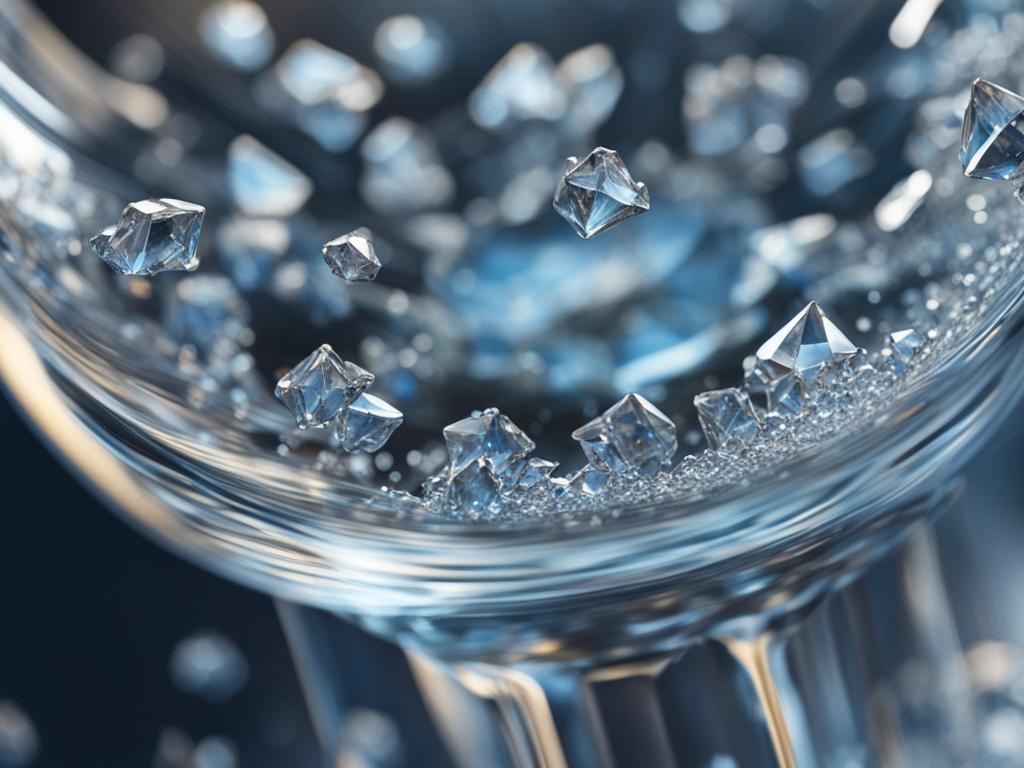
Delving into the water chemistry, it’s intriguing to find that the dissolved minerals such as calcium and magnesium play pivotal roles in the science of water hardness. These elements, sourced from minerals like limestone, are not strangers to your day-to-day life. In fact, they’re integral to understanding why some water leaves behind a residue on your faucets or makes your soap less frothy.
The Role of Calcium and Magnesium
Calcium and magnesium are the chief architects of water hardness. They enter your water supply by leaching from minerals, enacting a crucial part in the water hardness science. When these minerals are heated, as happens in your water heater, they crystallize and form what is commonly referred to as scale.
Dissolved Minerals and Water Hardness
Water’s journey through the ground and into your home is fraught with interactions, primarily with different kinds of rocks and soil compositions. These encounters end up dissolving trace amounts of minerals into the water; the degree of these dissolved elements that determines the hardness of your water. It is this hardness that challenges the lathering of soap and the efficiency of your appliances.
In summary, the dance between water, calcium, magnesium, and other minerals is an intricate one, impacting not just the smooth operation of your household but also igniting interest in the arena of water chemistry. As you turn on your faucet, remember the unseen, natural processes that define the very nature of the water cascading into your sink.
Geographical Variations of Water Hardness
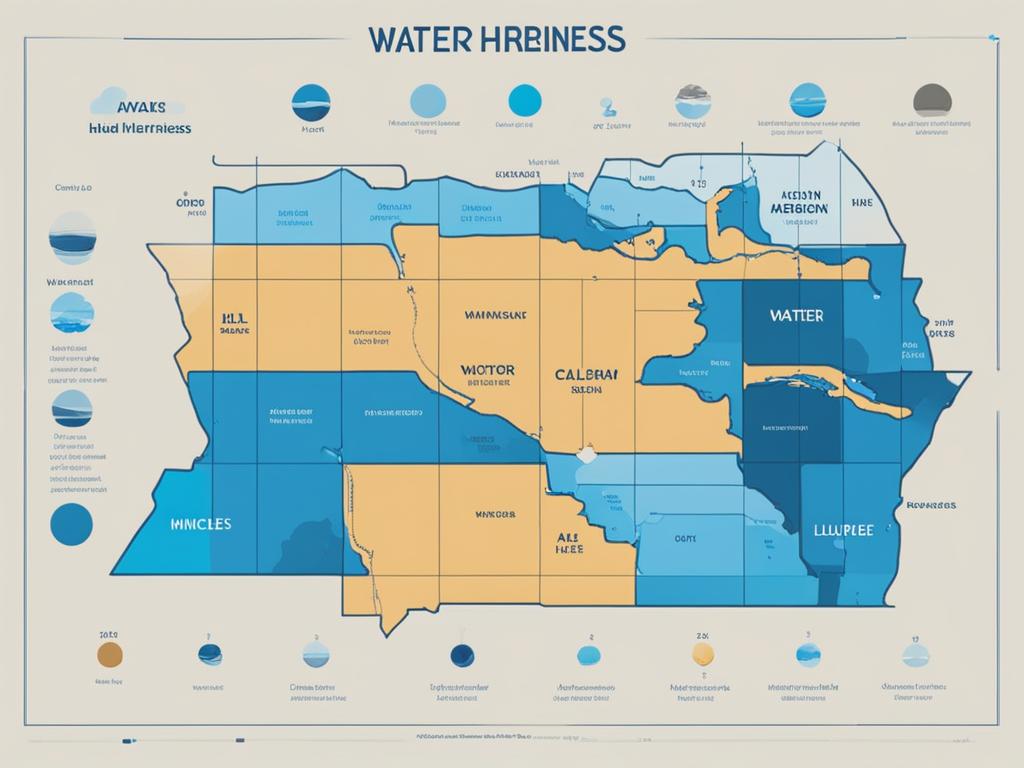
When delving into the realms of regional water hardness, you’ll discover that the quality of your tap water may be greatly influenced by your location. A water hardness map serves as an eye-opening visual guide, illustrating the high variability of hardness levels across the United States. Geological influence is the main character in this narrative, determining whether your water will be soft, or brimming with calcium and magnesium—a story written beneath the earth’s surface.
Hard Water Across the United States
As you trace the lines on a water hardness map, you’ll notice that some regions, especially in the Midwest and Southwest, show higher concentrations of hard water. This is not a random pattern but a reflection of the geological makeup rich with limestone and other mineral-bearing formations. Conversely, areas like the Pacific Northwest and New England often enjoy softer water, thanks to their distinct geological profiles.
Causes of Regional Differences in Hardness
The causes for hard water can be traced back to the mineral composition of the ground through which water flows before it reaches our homes. Regions with generous deposits of calcium and magnesium naturally see these minerals dissolve into their water supplies, resulting in harder water. The relationship between local geology and water hardness is a complex interplay that carves the mineral profiles of entire regions.
| Region | Typical Water Hardness Level (GPG) | Common Geological Features |
|---|---|---|
| Midwest | 10-15 GPG | Limestone, dolomite |
| Southwest | 15-20 GPG | Mineral-rich soil, sedimentary rock |
| Pacific Northwest | 1-3 GPG | Volcanic rock, mountainous terrain |
| New England | 3-5 GPG | Granite bedrock |
Testing for Water Hardness in Your Home

Are you curious about the water quality assessment in your home? Carrying out a water hardness test isn’t just for scientific curiosity—it’s a practical way to prevent potential issues with your appliances and improve your daily water usage. Testing for hard water can be done with ease and is a crucial step towards ensuring the longevity of your household systems.
There are a couple of ways to measure water hardness, typically represented in either grains per gallon (GPG) or parts per million (PPM). Home test kits available on the market can give you a reading on this, but what do these numbers mean for you? Let’s break it down:
| Hardness Level (GPG) | Description | Hardness Level (PPM) |
|---|---|---|
| 1-3 GPG | Slightly Hard | 17.1-51.3 PPM |
| 3.1-7 GPG | Moderately Hard | 53-120 PPM |
| 7.1-10 GPG | Hard | 121-171 PPM |
| 10.1 GPG and above | Very Hard | 171 PPM and above |
If your results show water hardness levels that raise concern, you may need to consider employing a softening solution. Remember, addressing hard water isn’t just a one-time affair; it’s an ongoing commitment to maintaining the water quality of your home.
Health Implications of Hard Water
When considering your water consumption, it’s critical to tackle the myths and discover the factual hard water health effects. Surprisingly, drinking hard water presents itself not just as a household concern but also as a contributor to nutritional wellness.
Nutritional Benefits of Hard Water
You might be surprised to learn that hard water isn’t all bad news when it comes to your health. In fact, its nutritional benefits can play a constructive role in daily dietary intake. Minerals like calcium and magnesium, which are robust in hard water, are crucial for bone health and metabolic processes.
| Mineral | Benefits | Recommended Daily Intake | Contribution from Hard Water* |
|---|---|---|---|
| Calcium | Supports bones, muscles, nerve functions | 1000 mg | Varies |
| Magnesium | Assists with over 300 biochemical reactions in the body | 420 mg (men), 320 mg (women) | Varies |
*The contribution of these minerals from hard water consumption can vary based on the level of water hardness and individual water intake.
Debunking Hard Water Health Myths
Contrary to some beliefs, there’s no definitive evidence that pegs hard water consumption as a health hazard. The myth that drinking hard water is fundamentally bad for you does not hold up against scientific scrutiny. The World Health Organization has affirmed that the minerals in hard water are beneficial and not detrimental to health.
The WHO states, “There is no convincing evidence that water hardness causes adverse health effects in humans.”
As you assess the quality of your household water, keep in mind that the drinking hard water, while perhaps an inconvenience due to scaling, holds a place in fulfilling your daily mineral requirements. It’s about finding balance and clarity amidst the myriad of claims surrounding water consumption and its impact on our wellbeing.
Hard Water Solutions: Softening and Treatment
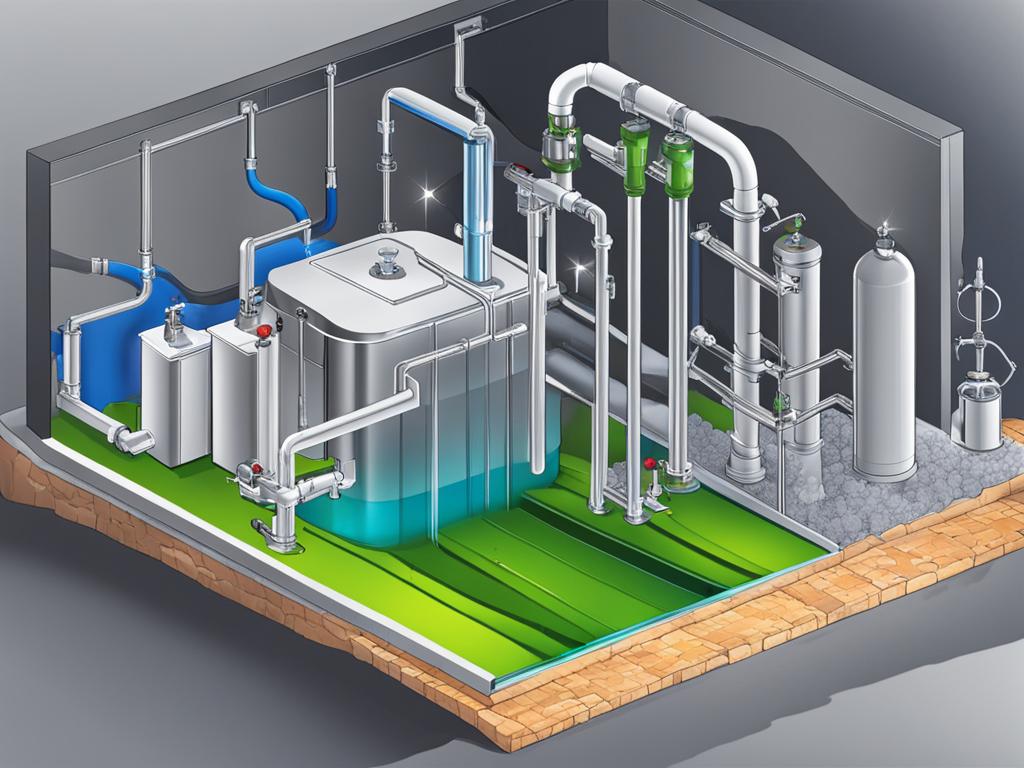
When you’re struggling with the frustrations of hard water, exploring effective hard water solutions becomes a priority for achieving improving water quality. A variety of water softening methods awaits for homeowners ready to take action. Identifying the best strategy for your home pivots on understanding the different treatments and how they protect your appliances while enhancing the effectiveness of soap and detergents. Let’s delve into some popular options to soften and rejuvenate your water supply.
Traditional Water Softeners are a staple in managing hard water. They operate on an ion-exchange principle, swapping calcium and magnesium ions with sodium or potassium ions. There’s nothing quite like the peace of mind you get from knowing your appliances are safeguarded from the corrosive effects of hard mineral deposits.
Magnetic and Electronic Water Descalers offer a no-salt alternative to traditional softening. These innovative devices apply magnetic or electric fields to alter the electromagnetic properties of mineral ions, preventing them from forming scale. They’re an ideal choice for those looking to sidestep the extra sodium in their water supply.
Other DIY enthusiasts might prefer the simplicity of using Washing Soda – simply add it to your laundry to counteract the hardness of the water. It softens water chemically by binding with the calcium and magnesium ions.
- Verify your home’s water hardness level.
- Choose a softening method that aligns with your household needs and preferences.
- Install the selected system or add softening agents to your routine.
- Regularly test your water to ensure the quality remains optimal.
Always remember, the key to improving water quality in your home often starts with a battle against hard minerals. By employing the right water softening methods, you can significantly extend the life of your appliances, relish in sparkly dishes, embrace softer laundry, and enjoy a water supply that’s gentle on your skin and hair.
The Impact of Hard Water on Appliances and Utilities

The lifespan and efficiency of your household appliances are frequently on the front line when it comes to the effects of hard water. Notably, these effects can range from minor annoyances to costly repairs or replacements due to hard water damage. Below, we’ll explore the specific challenges imposed upon water heaters, along with strategies for limescale prevention.
Water Heaters and Hard Water
Water heaters bear the brunt of hard water’s wrath. The minerals dissolved in hard water can precipitate and form a chalk-like deposit known as limescale. This buildup acts as an insulator, significantly reducing the efficiency with which your water heater operates. The heating element must work harder—and for longer periods—to achieve the desired hot water temperature, which can lead to increased energy consumption and potential overheating.
Prevention of Limescale Buildup
To proactively prevent limescale accumulation and protect your home utilities, consider adopting the following preventative measures:
- Regular Maintenance: Flush your water heater periodically to remove sediment and minimize mineral accumulation.
- Water Softeners: These systems can effectively reduce the mineral content in your water, combating limescale before it can form.
- Magnetic and Electronic Descalers: As an alternative to traditional water softeners, these devices alter the electromagnetic properties of the minerals, thereby reducing their ability to precipitate and adhere to surfaces.
| Intervention | Effectiveness | Maintenance Required | Cost |
|---|---|---|---|
| Water Heater Flushing | Moderate | Bi-Annual | Low |
| Water Softening System | High | Regular Salt Refill | Medium-High |
| Magnetic/Electronic Descalers | Variable | Minimal | Medium |
By tackling these issues head-on, you can ensure that your appliances perform effectively and remain in prime condition for years to come.
Treating Hard Water: Options and Alternatives
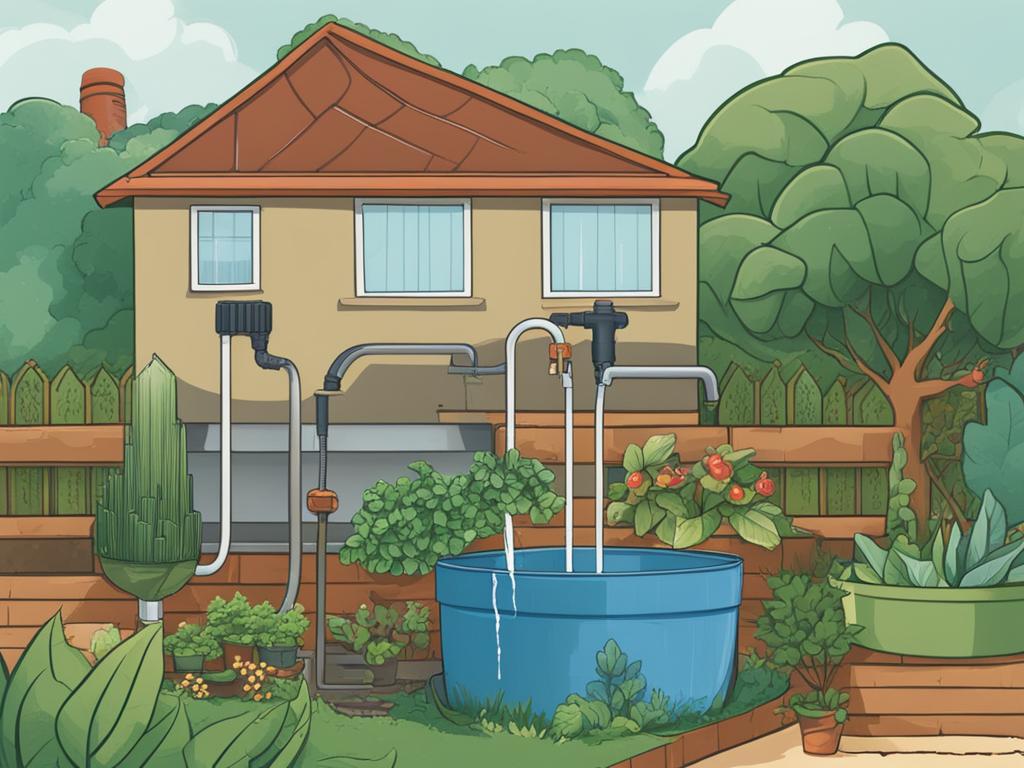
Exploring water treatment options extends beyond simply alleviating the hardness of your water—it’s vital for the longevity of your plumbing and appliances, as well as for enhancing your daily domestic experience. Fortunately, several methods are available ranging from traditional systems to innovative, eco-friendly water treatment technologies.
Understanding these various approaches will allow you to weigh the water softener benefits against environmental considerations and find a solution that aligns with your domestic needs and values.
Water Softeners and Their Function
Water softeners are the traditional go-to option for homeowners dealing with hard water. These units operate on an ion-exchange principle where calcium and magnesium minerals are replaced with sodium ions. As a result, the water becomes ‘softer,’ eliminating problems like limescale buildup and the interference with soap and detergent effectiveness.
Benefits of water softeners include:
- Extended lifespan of appliances
- Improved effectiveness of cleaning products
- Less buildup in pipes
However, if you’re concerned about the increase in sodium content of treated water, especially if you’re on a low-sodium diet or trying to manage your environmental footprint, alternative treatments might better suit your needs.
Non-Chemical Water Treatment Systems
Emerging technologies offer eco-friendly water treatment solutions that avoid adding salts or chemicals to your water. These systems often use template-assisted crystallization (TAC) or electromagnetic waves to change the physical properties of the minerals, thus preventing them from sticking to surfaces and forming scale.
Advantages of these non-chemical treatments include:
- They don’t introduce sodium into the water
- Require less maintenance than traditional softeners
- Promote an eco-friendly approach to water treatment
While these options can be initially more expensive, they are worth considering for their long-term savings and environmental benefits. By exploring the range of water treatment methods, you can find a system that aligns with both your practical needs and ecological values.
Costs and Considerations for Hard Water Treatment
Embarking on the journey to manage hard water in your home is not just about improving water quality—it’s also a critical financial decision. When considering water treatment costs and economic considerations, you should evaluate both the upfront investment and the long-term benefits. Effective hard water management not only promises a reduction in soap usage and wear on clothing but also protects your household appliances from the ravages of mineral build-up.
| Expenditure Category | Initial Cost | Ongoing Cost | Potential Savings |
|---|---|---|---|
| Water Softening System | $400 – $2,500 | Varies (Salt, Maintenance) | Appliance Lifespan Extension |
| Installation Fees | $100 – $500 | N/A | N/A |
| Additional Plumbing | Varies | N/A | Reduced Repair Costs |
| Maintenance & Repairs | N/A | $100 – $300/year | Efficiency Savings |
When weighing these economic considerations, remember the hidden costs of not treating hard water. Without intervention, you could face increased heating bills due to limescale in your water heater, frequent plumbing repairs, and the early retirement of appliances. Meanwhile, the benefits of treatment like the softness of laundered clothes, spotless dishes, and a clean piping system can’t have a price tag easily affixed—but they translate into real, qualitative life improvements.
As you mull over these factors, consider not only the numbers but what value you place on the longevity and efficiency of your home environment. A thoughtful approach to hard water management will serve you well in the years to come, offering peace of mind and tangible returns on your initial investment.
Conclusion
As we conclude our exploration into the intricacies of hard water, the takeaway is clear: understanding this common household issue is imperative for maintaining not only the integrity of your home’s appliances but also the quality of your water for personal use. Armed with knowledge about hard water’s composition, you’re now equipped to make informed decisions that hinge on a balance of factors, including potential health benefits and day-to-day inconveniences.
Understanding Hard Water’s Role and Management
Managing hard water effectively begins with recognizing the signs and symptoms in your household—from spotty dishes to a less than satisfactory shower experience. Remember, the goal of home water quality improvement isn’t just about aesthetics, it’s about efficiency and longevity too. Options like water softeners or non-chemical treatments stand ready to address the scale buildup that threatens to shorten the life of household utilities.
Making the Right Choice for Your Home and Health
With the landscape of treatment solutions available, you’re in a position to make choices that align with your family’s health and lifestyle needs. Whether you are looking for a quick fix or a long-term investment, it’s crucial to consider your local water’s mineral content and the mechanics behind water treatment systems. As you navigate through these choices, prioritize longevity for your appliances and pristine water quality to elevate your home’s comfort and health standards.
FAQ
What exactly is hard water?
Hard water is characterized by its high mineral content, particularly minerals like calcium and magnesium, which it absorbs from rocks and soil before flowing through your taps. These minerals make it ‘hard’, and while safe for consumption, they can impact cleaning tasks and appliance efficiency in your home.
Which minerals cause water hardness?
Calcium and magnesium are the most common minerals that contribute to the hardness of the water. They are naturally present in the ground and dissolve into the water as it moves through soil and rock formations.
How can I measure the hardness of my water?
Water hardness is measured in grains per gallon (gpg) or parts per million (PPM). You can test your water with a home testing kit or have it professionally evaluated to determine the level of water hardness and decide if you need water treatment.
Could hard water be affecting my household chores?
Yes, hard water can affect chores like dishwashing and laundry by reducing the effectiveness of soap and detergent, causing limescale buildup, soap scum, stiff fabrics, and spots on glassware.
What are the signs that I might have hard water?
Spotting the signs of hard water is an important first step in dealing with it. Look out for spotty dishes and glassware, mineral build-up on faucets and showers, reduced soap lathering, and laundry that feels harsh or looks dull.
Why does hard water lead to limescale formation?
The calcium and magnesium ions in hard water react with carbonates when heated, forming calcium carbonate, also known as limescale. This scale can build up on appliances and fixtures, affecting their efficiency and lifespan.
How does the geography of an area affect water hardness?
Geological variations, such as the presence of limestone, chalk, or gypsum in the soil and bedrock, can result in higher levels of dissolved calcium and magnesium in the water, leading to region-specific water hardness levels.
Are there any health benefits to drinking hard water?
Hard water can contribute to your dietary intake of essential minerals like calcium and magnesium. The World Health Organization acknowledges these benefits, stating that hard water consumption isn’t harmful and might support nutritional needs.
What are the available solutions to deal with hard water?
There are several ways to treat hard water, including water softeners that remove calcium and magnesium from the water, ion-exchange columns, and non-chemical systems that prevent scale formation without removing beneficial minerals.
How does hard water impact appliances specifically?
Hard water can lead to limescale accumulation within appliances like water heaters, reducing their efficiency and life expectancy. It can insulate heating elements and cause them to work harder or even fail prematurely.
What should I consider before treating hard water?
When considering water treatment solutions, factor in the initial cost of the system, ongoing maintenance and operational expenses, and potential savings from preventing scale-related repairs and increasing the lifespan of your appliances.
Leave a Reply
You must be logged in to post a comment.