

When it comes to maintaining your health and achieving optimal hydration, the quality of the water you drink plays a crucial role. In the United States, both tap and bottled water are generally safe to consume thanks to stringent regulations. However, you might wonder about the most economic and eco-friendly options available to you. As you strive for healthy drinking water, you’re acknowledging the significance of not just any water, but one that contributes positively to your wellbeing.
Every day, your body requires water from various sources including the foods and beverages you consume, but none are as direct and significant as the water you drink outright. While water quality is overseen by entities such as the EPA in municipal systems and the FDA for bottled products, questions often arise about their equality in health benefits, environmental impact, and overall safety. Understanding the importance of these factors will ensure that you make informed decisions about your hydration needs.
Key Takeaways
- Tap water and bottled water in the U.S. are both considered safe for consumption due to rigorous regulations.
- Choosing tap water can be more cost-effective and environmentally friendly compared to bottled options.
- Water quality is crucial for optimal hydration and health, with regular safety tests conducted on municipal sources.
- Even with regulations, it’s important to stay informed about potential contamination risks to ensure healthy drinking water.
- Considering the environmental impact and cost, tap water may often be the preferable choice for daily hydration.
Understanding Different Types of Drinking Water
With a myriad of options, choosing the right types of drinking water can be confusing. From the streams to your tap, water sources dictate the journey of every drop consumed. It’s essential to comprehend not only the origin but also the water quality across these different types.
Let’s dive into the five common types:
- Tap Water: Typically from municipal sources or local wells, this everyday drinking option undergoes treatment to meet safety standards.
- Mineral Water: Emerging from underground reserves, it naturally contains a range of minerals and is bottled without further treatment.
- Spring Water: Collected directly at the source, spring water is often prized for its purity and mineral content.
- Distilled Water: It’s steam from boiling water that’s been cooled and condensed back into liquid. This process removes minerals and impurities.
- Purified Water: Treated by methods like reverse osmosis, this water aims to remove chemicals and contaminants beyond typical filtration.
Interestingly, in some locales, like certain rural areas in Australia, residents may rely on collected rainwater—a testament to the diversity of available water sources. What’s vital is the treatment and regular testing to ensure safety, regardless of whether it’s from a bottle or a tap.
Regardless of the form it takes before reaching your glass, rest assured that in the United States, most drinking water meets rigorous quality standards set to protect your health.
Below is a comparison for clarity:
| Type | Source | Common Treatments | Typical Uses |
|---|---|---|---|
| Tap Water | Municipal or wells | Fluoridation, Chlorination | Everyday drinking, cooking |
| Mineral Water | Underground | None, natural content | Specialty hydration |
| Spring Water | Natural springs | Bottling at source | Beverage industry |
| Distilled Water | Water supply | Distillation | Medical, laboratory |
| Purified Water | Various | Reverse osmosis, Deionization | High purity needs |
In conclusion, the “best” water depends on your needs and circumstances. But with most water in the U.S. deemed safe, what matters most is regular testing and proper treatment to maintain premium water quality.
What is the Best Water to Drink?
When you’re trying to stay hydrated, the plethora of options available might seem overwhelming. Understanding the differences between tap vs bottled water and the filtered water benefits can help you make an informed decision that aligns with your health and eco-friendly hydration practices.
Comparing Tap, Bottled, and Filtered Water
Each type of water comes with its own set of advantages and drawbacks. Tap water is the most accessible and is subject to stringent testing by governmental agencies ensuring safety and compliance with health standards. Bottled water is often chosen for its perceived purity and convenience, but can be costly and environmentally unfriendly due to its packaging. Filtered water, on the other hand, allows for the removal of specific contaminants while reducing plastic waste and can be a balanced option.
Environmental and Economic Impacts of Water Choices
It’s impossible to talk about hydration without considering the impact of our choices on the planet. Single-use plastics from bottled water are contributing to our growing environmental crisis, making tap and filtered water more appealing for their minimal ecological footprint. Moreover, the costs associated with continually purchasing bottled water can add up, making tap and filtered solutions kinder to both Mother Nature and your wallet.
Review of Health Benefits Associated with Various Water Types
Ultimately, the health benefits of drinking water are pretty consistent across the board, provided the water is clean and safe. No matter whether you prefer tap, bottled, or filtered water, ensuring your hydration source is free from contaminants is key. In instances where tap water safety is questionable, filtered or bottled water might be necessary, so always stay updated on local water quality reports and advisories.
Remember, your choice should align with both your personal health needs and environmental values. With a range of resources available from the Environmental Protection Agency and the FDA, staying informed is easier than ever, ensuring you can enjoy safe, healthy, and eco-friendly hydration.
The Science of Water and Hydration
Have you ever considered the water pH balance when filling your glass to quench your thirst? It’s an intriguing aspect of hydration science that dives into the acidity and alkalinity of your drinking water. A balanced pH level in water—typically measured on a scale from 0 (highly acidic) to 14 (highly alkaline)—is believed by some to be a key factor for maintaining good health. Most drinking water falls into a neutral zone, with a pH close to 7, which is considered safe and healthy.
For those with a keen interest in the health effects of water, it’s essential to understand how different pH levels in water might interact with your body. You might have heard about alkaline water with claims of superior health benefits, yet it’s important not to be swayed by unproven marketing pitches. Sure, alkaline water has a higher pH, but the body’s natural regulatory systems maintain a steady, slightly alkaline pH around 7.4, regardless of the pH of the water you consume.
When it comes to distilled water, you’ll find it on the more acidic side of the scale. However, the acidity is still within a safe range and won’t significantly impact the acidity of your body. The resilience of the human body’s pH balance means that you would need to consume unreasonable quantities of water at either extreme pH to cause concern, which in itself presents risks like hyponatremia—a dilution of sodium in the blood.
Advisors in hydration science often stress that while staying informed about the nuances of water, such as its pH level, is good practice, ensuring you’re drinking adequate amounts of water is vital. It’s the foundation for optimal health and hydration that supports all bodily functions from digestion to cognitive performance.
In the end, it’s more about the amount and purity of the water you drink rather than chasing a specific pH level. So, make sure you’re getting your daily water intake and enjoying the myriad benefits that come with adequate hydration.
Decoding the Labels: Mineral, Alkaline, and Spring Water

Understanding the labels on water bottles can greatly influence your health and hydration choices. When you’re sifting through mineral water benefits, alkaline water claims, and spring water quality assurances, it’s essential to know exactly what each type offers to your well-being.
Mineral water, revered for its unadded natural contents, is an excellent source of electrolytes like magnesium and calcium, which are pivotal to your hydration and overall health. Next, alkaline water, with its higher pH levels, is marketed as a boon for aiding in balancing bodily functions, although moderation is key. Then, there’s spring water, often marketed for its purity and balanced mineral content, thanks to its natural underground sources. But what does this mean for you? Let’s break it down.
| Water Type | Key Components | Claimed Benefits | Considerations |
|---|---|---|---|
| Mineral Water | Natural minerals (magnesium, calcium) | Supports hydration and nutrient intake | Check for sodium content if on a low-sodium diet |
| Alkaline Water | Higher pH level | May assist in balancing body functions | Potential overconsumption risks |
| Spring Water | Naturally occurring minerals (potassium, sodium, calcium) | Sourced from underground wells, free from treatment | Verify source and treatment claims |
Remember that while mineral water benefits your body by replenishing essential electrolytes, excess sodium from some brands might not suit a low-sodium diet. Supplements are no match for a diverse diet, so consider mineral content that complements your nutritional needs.
Alkaline water enthusiasts argue for improved oxygen distribution and beneficial impacts on certain health conditions. However, moderation is vital, as drinking too much could introduce risks or imbalances.
Finally, the high spring water quality often stems from its source – an underground aquifer. The natural filtering process through rock provides a mineral-rich profile which may contribute positively to your health. Still, it’s crucial to verify the source from reputable brands to ensure you’re getting the real deal.
In conclusion, when you next pick up a bottle of water, take a moment to consider what’s inside. Your body and health will thank you for making an informed choice.
Tap Water: Safety and Health Considerations
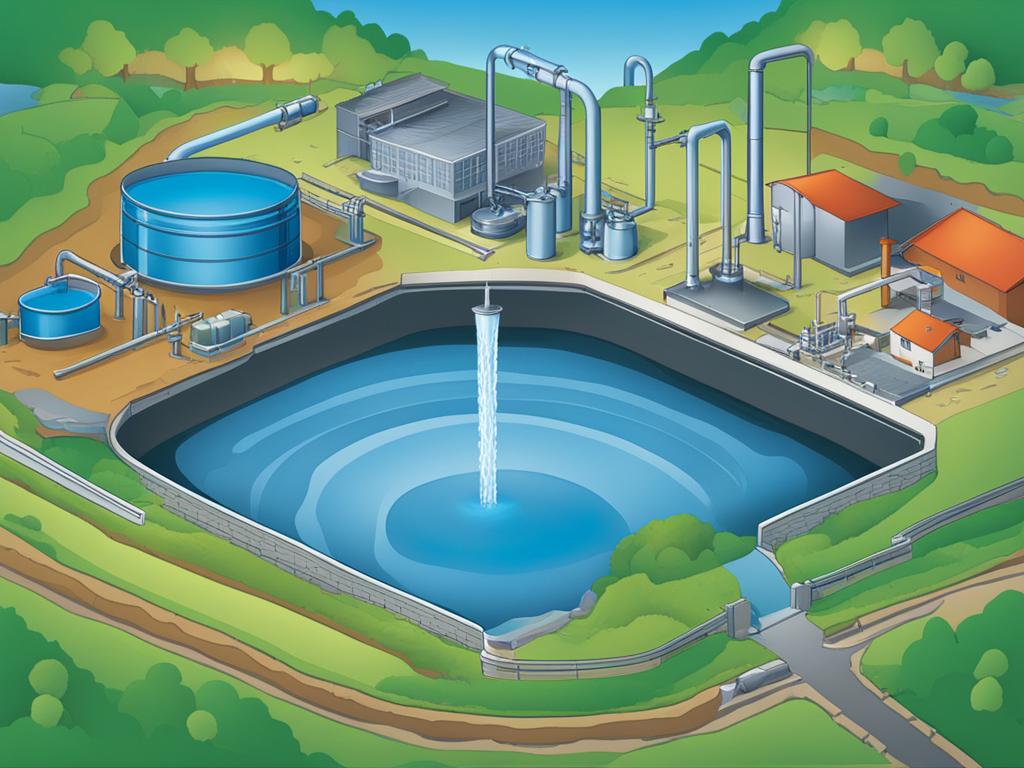
When you turn on your tap at home, you expect the water flowing out to be clean and safe for your family to drink. Ensuring the safety of tap water involves a series of stringent water treatment methods and adherence to EPA water standards. Let’s dive into what makes your tap water safe and how government agencies play a pivotal role in this process.
Water Purification Processes and Their Effectiveness
Water treatment plants use a combination of physical and chemical processes to remove contaminants from your tap water. These purification endeavors aim to eliminate pathogens, manage minerals, and reduce any potential harmful substances to levels deemed safe by the EPA. One common treatment method involves the use of chlorine, which disinfects water effectively, and another is ozonation, which uses ozone to deactivate bacteria and viruses without leaving harmful residuals.
Understanding the effectiveness of these processes can reassure you of tap water safety, affirming that the water reaching your home has undergone rigorous cleansing to meet or exceed health guidelines. However, it’s always wise to stay informed about any local water quality reports or advisories.
Understanding the Role of Government Agencies in Water Safety
The Environmental Protection Agency (EPA) plays a critical role in maintaining water safety standards across the nation. Under the Safe Drinking Water Act, the EPA sets legal limits on over 90 contaminants in drinking water. Municipal water suppliers are required to send out an annual report, known as the Consumer Confidence Report, to their customers. These reports provide valuable information about your local water quality, including the levels of any contaminants found during testing and potential health effects they might cause.
Staying aware of these standards and reports can empower you to make informed decisions about the water you drink. It’s important to heed alerts and advisories from the EPA and other agencies, as they are put in place to protect the public from potential health issues that might arise from tainted tap water.
| Contaminant | EPA Maximum Contaminant Level | Common Sources | Health Effects |
|---|---|---|---|
| Lead | 0.015 mg/L | Corrosion of household plumbing systems, erosion of natural deposits | Developmental issues in children, kidney problems, high blood pressure |
| Chlorine | 4 mg/L | Water treatment additive used to control microbes | Eye/nose irritation; stomach discomfort at high levels |
| Arsenic | 0.010 mg/L | Erosion of natural deposits; runoff from orchards, glass & electronics production wastes | Skin damage, circulatory system problems, increased risk of cancer |
Rest assured, the tap water in most areas of the United States is thoroughly tested and treated to ensure its safety for everyday use. By conforming to water treatment methods and following EPA water standards, you can trust in the quality of your tap water while contributing to environmental sustainability and personal cost savings. Remain vigilant though; always keep an eye on local water reports for your continued health and well-being.
The Pros and Cons of Bottled Water
As you navigate the bottled water debate, it’s essential to consider both the convenience it offers and the wider implications of its use. The allure of bottled water often lies in its perceived purity and the safety reassurance it provides. This can be particularly relevant in situations where the local drinking water quality may be compromised, making bottled water a go-to choice for many.
However, the use of bottled water is not without its downsides. One of the most significant issues is the plastic waste issue it creates. Single-use plastic bottles are a major contributor to environmental pollution and the current sustainability crisis. Furthermore, when it comes to personal finances, bottled water can come at a higher cost compared to tap water.
Choosing bottled water should be a calculated decision, weighing the immediate need for safe drinking against long-term environmental and economic impacts.
- Convenience in accessibility and assured quality
- Safety in regions where tap water may not be reliable
Yet, the reassurance of quality isn’t infallible. Bottled water, like any other consumer product, is prone to the risks of contamination. If such an unfortunate event occurs, agencies like the FDA are prompt to issue recalls to protect consumers.
| Pros of Bottled Water | Cons of Bottled Water |
|---|---|
| Safe alternative when tap water quality is uncertain | Contributes to single-use plastic pollution |
| Often contains essential minerals | Typically more expensive than tap water |
| Portable and convenient | Potential risk of contamination |
Your choice of whether to opt for bottled water should be informed by a balance of these factors. If you live in an area where tap water is safe, it might be more advantageous to consider it as your primary source of hydration to reduce environmental strain and personal expense.
In conclusion, it is clear that bottled water plays a significant role in today’s society—both as a source of hydration and as a subject of environmental concern. By considering the pros and cons thoughtfully, you can make more informed decisions that align with both your health objectives and ecological values.
Filtering Options for Home Water Purification
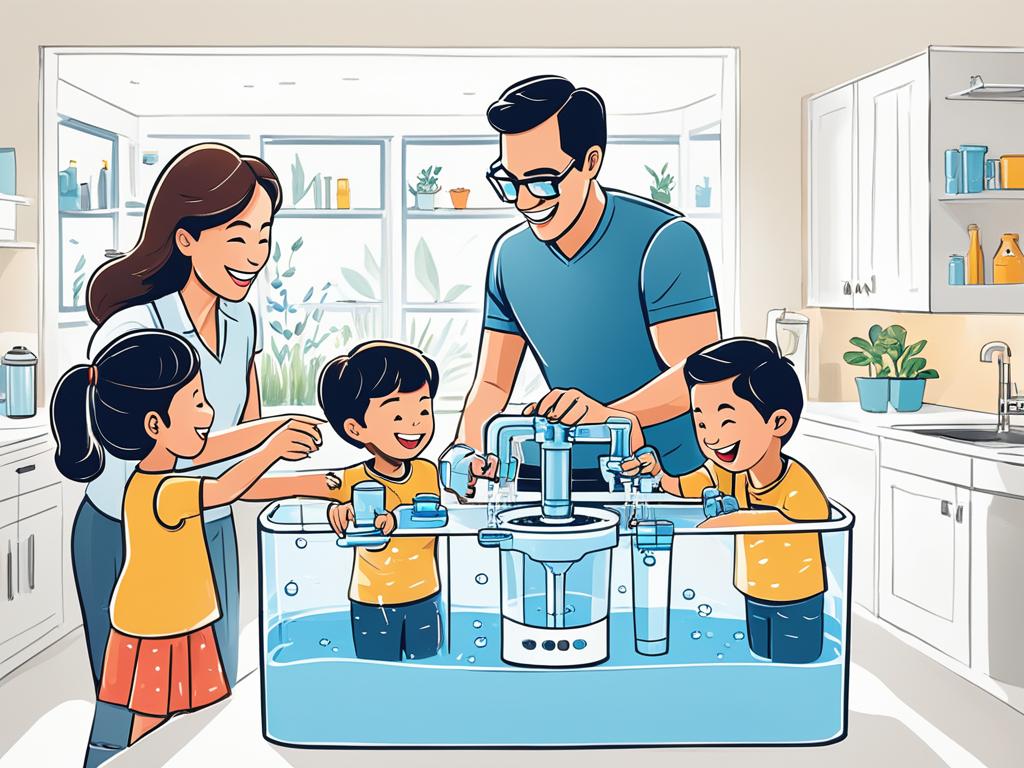
If you’re eager to improve your water quality and ensure you have clean drinking water at home, delving into the world of home water filters can be an enlightening journey. The variety of water purification systems available offers solutions that can fit any household’s needs and preferences.
One of the most acknowledged and extensively used filtration systems is reverse osmosis. This process effectively strips water of contaminates and provides exemplary results in ensuring your water is safe for consumption. Another trusted method is using a one-micron filter—which can eradicate many of the smaller particles and microorganisms that other filters might not catch.
Investing in a home water filter is a wise decision that not only safeguards your health but also contributes positively to the environment by minimizing dependence on bottled water.
- Reverse Osmosis: Known for its ability to remove an impressive array of chemicals and dissolved solids.
- Carbon Filtration: Ideal for improving taste and odor, and reducing contaminants such as chlorine and volatile organic compounds.
- UV Treatment: Uses ultraviolet light to inactivate bacteria and viruses without the use of chemicals.
- One-Micron Filtration: Effective at eliminating cysts and sediments for clearer, cleaner water.
While exploring water purification systems, consider the long-term cost savings. A reliable home water filter may have upfront costs, but over time it could reduce your spending on bottled water significantly. Besides, the environmental impact of decreasing plastic waste is a collective benefit we all share. Your quest for clean drinking water at home can be both economically and ecologically rewarding.
The Truth About Alkaline Water and Its Health Claims
Alkaline water myths have captured the imagination of health enthusiasts around the globe, suggesting that a higher pH water can lead to miraculous health benefits. But what does science have to say about these claims? Before we dive into the scientific perspective, it’s important to understand a crucial procedure that allows us to discuss this topic: pH testing of drinking water. Being informed can help you navigate through the sea of claims and choose what’s best for your health.
Testing the pH Balance of Drinking Water
If you’re curious about the pH level of your drinking water, pH testing is readily accessible and quite straightforward. You have the option to use pH strips or a digital pH meter to determine the acidity or alkalinity of your water at home. Keep in mind that regular drinking water usually has a pH of around 7, which is neutral. Alkaline water typically has a pH above 7, and while there may be a push for its consumption, understanding its true impact on health is vital.
Medical and Scientific Perspectives on Alkaline Water
Medical professionals and scientists tend to agree on the body’s remarkable ability to manage its own pH balance. While proponents of alkaline water claim it can offer defense against free radicals and diminish inflammation, these suggested health benefits of alkaline water haven’t been strongly supported by concrete scientific evidence. In fact, the consensus among health experts is that any high-quality, safe-to-drink water is adequate for staying hydrated and healthy.
| Alkaline Water Claim | Scientific Finding |
|---|---|
| Improves hydration better than regular water | Studies show no significant difference |
| Neutralizes body acidity | Body’s natural mechanisms regulate pH effectively |
| Anti-aging properties | Lack of substantial evidence to support the claim |
| Prevents chronic diseases | No definitive research confirming this |
Remember, it’s essential to stay hydrated, but you don’t need to chase after trendy products with lofty health claims. Trust in your body’s innate ability to maintain balance and choose water that is clean and safe. Whether it’s alkaline or not may not matter as much as the quality and safety of the water you drink every day.
Conclusion
In your quest for optimal health and hydration, choosing the best water choice isn’t a one-size-fits-all decision. For many, tap water serves as a reliable and economical resource that supports both your health and the planet’s wellbeing. However, it’s paramount to ensure the source is safe, especially if you’re someone whose local water may face contamination issues. In such cases, consider bottled or filtered alternatives as necessary supplements for your hydration needs.
While enriched varieties like mineral, alkaline, or spring water can provide additional nutrients, it’s wise to consume them thoughtfully within a balanced diet. Remember, the core goal is consistent: consume pure, clean water in adequate amounts to maintain your health. Infusing daily life with safe drinking practices and sensible hydration tips—like using a refillable water bottle or implementing drinking schedules—can simplify meeting your hydration targets.
For those keenly interested in environmental preservation and budget-friendly solutions, filtered tap water is often an effective choice. No matter your preference, prioritize uncontaminated water and incorporate these hydration tips into your routine for a sustained, healthy lifestyle that also considers ecological sustainability and expense. After all, ensuring that every sip counts towards your wellbeing is a goal well worth the commitment.
FAQ
What are the health benefits of staying properly hydrated?
Proper hydration is essential for maintaining bodily functions, including regulating body temperature, keeping joints lubricated, preventing infections, delivering nutrients to cells, and keeping organs functioning properly. Adequate hydration also improves sleep quality, cognition, and mood.
How do the EPA and FDA regulate the water we drink?
The EPA regulates public drinking water (tap water), setting standards for over 90 contaminants under the Safe Drinking Water Act, while the FDA oversees bottled water, ensuring it meets standards for safety, quality, and labeling, which are generally similar to EPA regulations for tap water.
What are the advantages and disadvantages of tap water vs. bottled water?
Tap water is cost-effective, environmentally friendly, and generally safe to drink due to rigorous testing. However, it can be compromised in some areas. Bottled water offers convenience and is essential where tap water safety is doubtful, but it’s more expensive and generates plastic waste, impacting the environment.
Can drinking various types of water like mineral, alkaline, or spring water improve health?
Mineral water provides essential electrolytes and may benefit hydration. Alkaline water has a higher pH but its health claims are not widely supported by evidence. Spring water comes from a natural source and can contain beneficial minerals, but in terms of health, most drinking water is similarly healthy if free from contaminants.
What are the environmental impacts of bottled water?
Bottled water contributes significantly to single-use plastic pollution, which harms wildlife and ecosystems. Plastic bottles can take hundreds of years to decompose and the production and transportation of bottled water also result in substantial carbon emissions.
How effective are home water filtration systems?
Home water filtration systems, such as reverse osmosis or one-micron filters, can effectively remove contaminants from tap water, making it safe to drink. They are cost-effective in the long run, reduce reliance on bottled water, and consequently decrease plastic waste.
What is alkaline water, and what are the supposed health benefits?
Alkaline water has a higher pH level than regular drinking water, which some advocates claim can neutralize acid in the bloodstream, boost metabolism, or protect against certain diseases. However, there is minimal scientific evidence to support these health claims, and the body typically maintains pH balance effectively on its own.
How can one ensure their tap water is safe to drink?
To ensure tap water is safe, you can check the local water quality report, have the water independently tested, use a certified home water filter, and stay informed about any advisories issued by local health or environmental authorities. If you have a private well, regular testing is recommended.
What should be considered when choosing the best water for health and hydration?
When choosing water for hydration, consider safety, cost, taste, and environmental impact. Ensure your water source is free from harmful contaminants. If tap water is safe, it’s the most cost-effective and eco-friendly option. Filtered and bottled water may be options when tap water quality is a concern.
How does water pH balance affect my health?
The pH balance of water refers to its acidity or alkalinity, but it is not a significant factor in health for most people because the human body naturally regulates pH levels effectively. Consuming water with a different pH balance will not typically alter internal pH levels due to the body’s homeostatic mechanisms.
Leave a Reply
You must be logged in to post a comment.